Complete guide: choosing, serving, storing and tasting champagne. Glass calculator, food & champagne pairings, bottle formats, history and 20 FAQ.
Interactive Tool
How many glasses in a bottle of champagne?
Select a format to instantly calculate the number of flutes (12.5 cl).
🥂Flutes6Flutes of 12.5 cl
👥Guests4–6people
🎉Ideal OccasionDinnerintimate celebration
Bottle
75 cl · 0.75 L
The standard 75 cl bottle was born in the 19th century.
💡 The reference format.
Volume75 cl
Flutes6
Guests4–6
OccasionDinner
Visualisation · 6 Flutes
Event Planner
How many bottles of champagne to order for your event?
Enter the number of guests to find out how many bottles to plan.
25
bottles of 75 cl
Or in Magnum (1.5 L)13
Or in Jeroboam (3 L)7
Encyclopaedia
All champagne bottle formats
From the half bottle to the Nebuchadnezzar: volumes, number of glasses, ideal occasion.
Format
Volume
Equiv. bottles
Flutes
Guests
Occasion
Half Bottle
37.5 cl
0.5
3
1–2 people
Tête-à-tête, intimate aperitif
Bottle
75 cl
1
6
4–6 people
Dinner, intimate celebration
Magnum
150 cl
2
12
8–12 people
Reception, elegant wedding
Jeroboam
300 cl
4
24
16–24 people
Grand banquet, golden anniversary
Methuselah
600 cl
8
48
30–50 people
Gala, lavish wedding
Salmanazar
900 cl
12
72
50–70 people
Prestige event, VIP evening
Nebuchadnezzar
1500 cl
20
120
80–120 people
Exceptional evening, spectacle
Buying Guide
How to choose a good champagne?
Champagne Brut, Extra-Brut or Demi-Sec: what's the difference?
The residual sugar dosage determines the style. Brut Nature (0–3 g/L) for purists, Brut (< 12 g/L) for universal balance, Demi-Sec (32–50 g/L) for desserts. The lower the dosage, the more directly the terroir expresses itself.
Champagne Premier Cru and Grand Cru: the classification
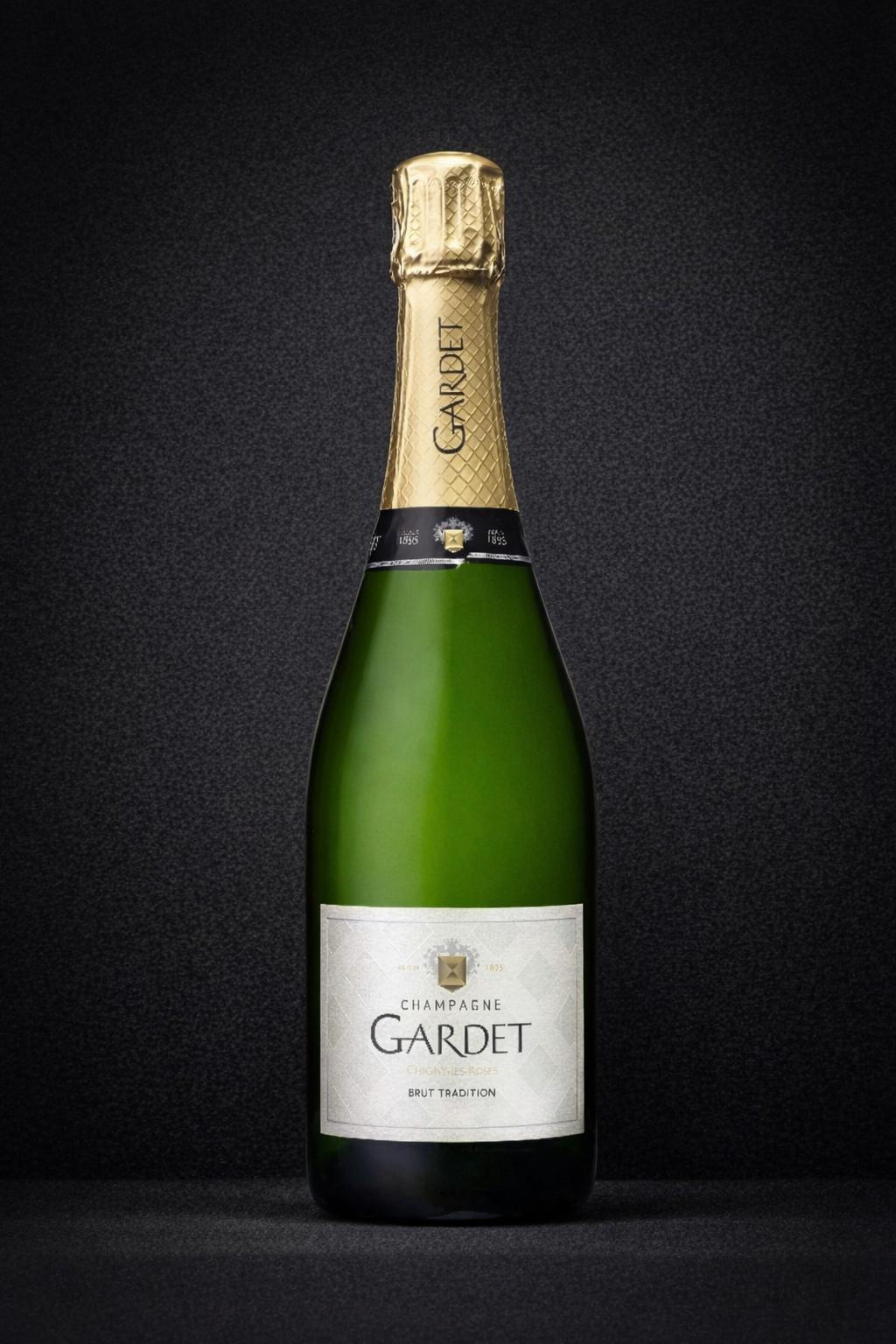
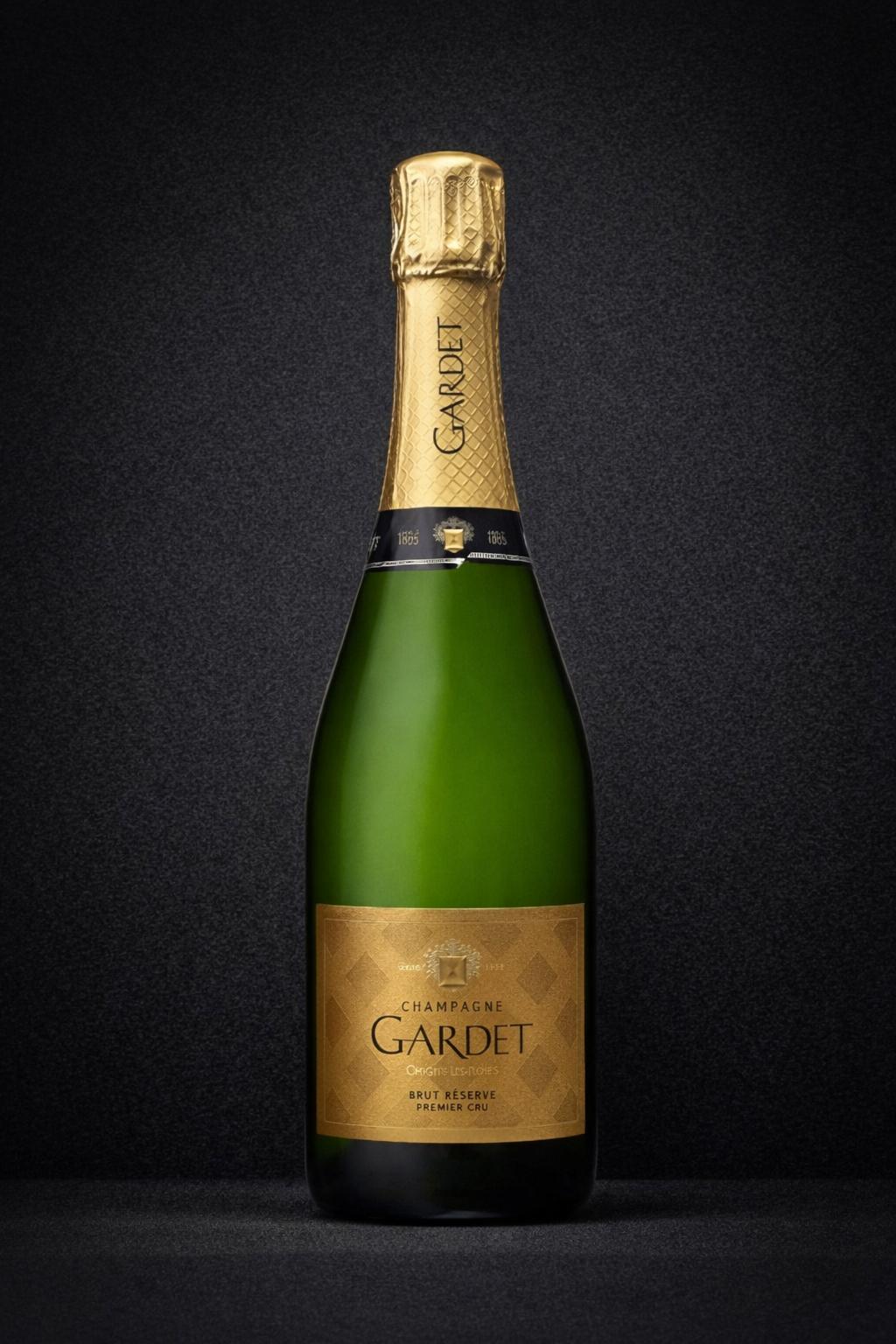
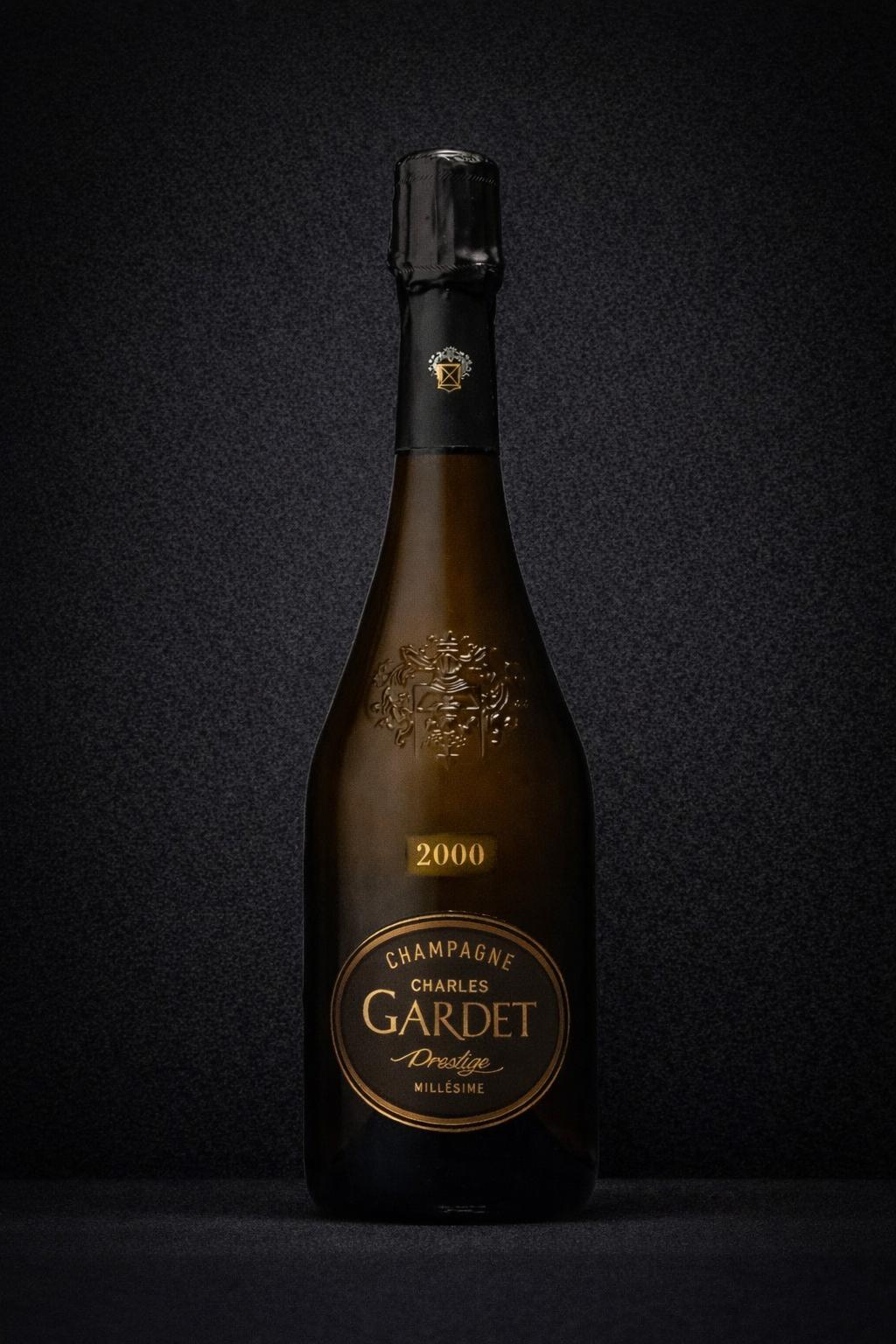
Villages are classified according to the cru scale: Grand Cru (100%) and Premier Cru (90–99%). Champagne Gardet, based in Chigny-les-Roses (Premier Cru), has benefited from an exceptional terroir since 1895.
The three grape varieties of champagne
Pinot Noir — Structure, power and red fruits
Chardonnay — Finesse, minerality and citrus
Pinot Meunier — Fruitiness, roundness and suppleness
Vintage champagne vs non-vintage
A vintage comes from a single exceptional year and ages at least 36 months on lees. A non-vintage (BSA) blends several years to guarantee the consistency of the house style.
Blanc de Blancs: the finesse of Chardonnay
Made exclusively from Chardonnay, the Blanc de Blancs is distinguished by its minerality, citrus notes and airy lightness. Ideal for the aperitif and seafood.
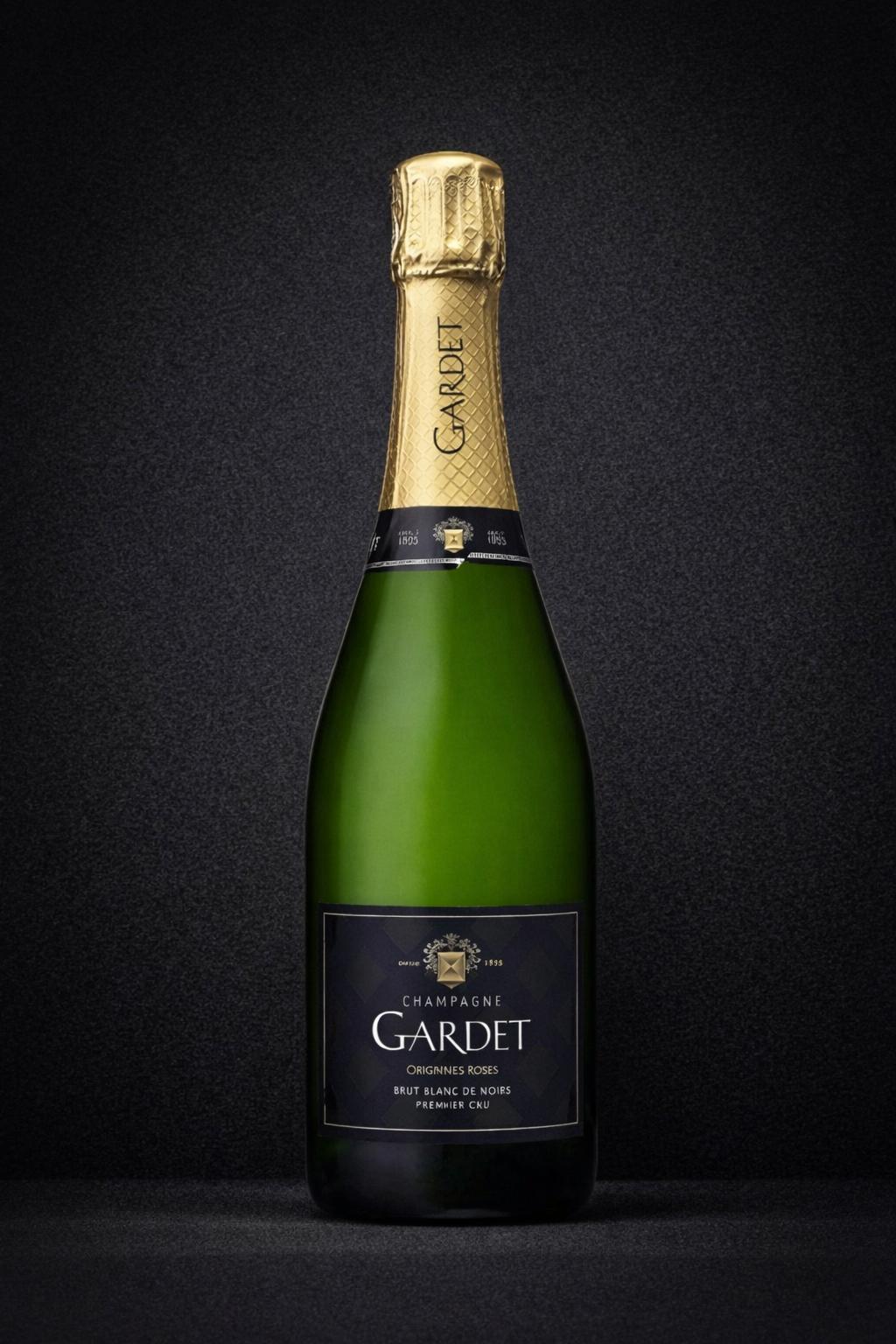
Blanc de Noirs: the richness of dark grapes
Made solely from Pinot Noir and/or Pinot Meunier, this champagne offers structure, body and red fruit aromas. Perfect with white meats and cheeses.
The Art of Service
Ideal temperature to serve champagne
❄️
Non-vintage Brut
8–10 °C
Chill for 3 hours in the fridge or 30 minutes in an ice bucket
🌸
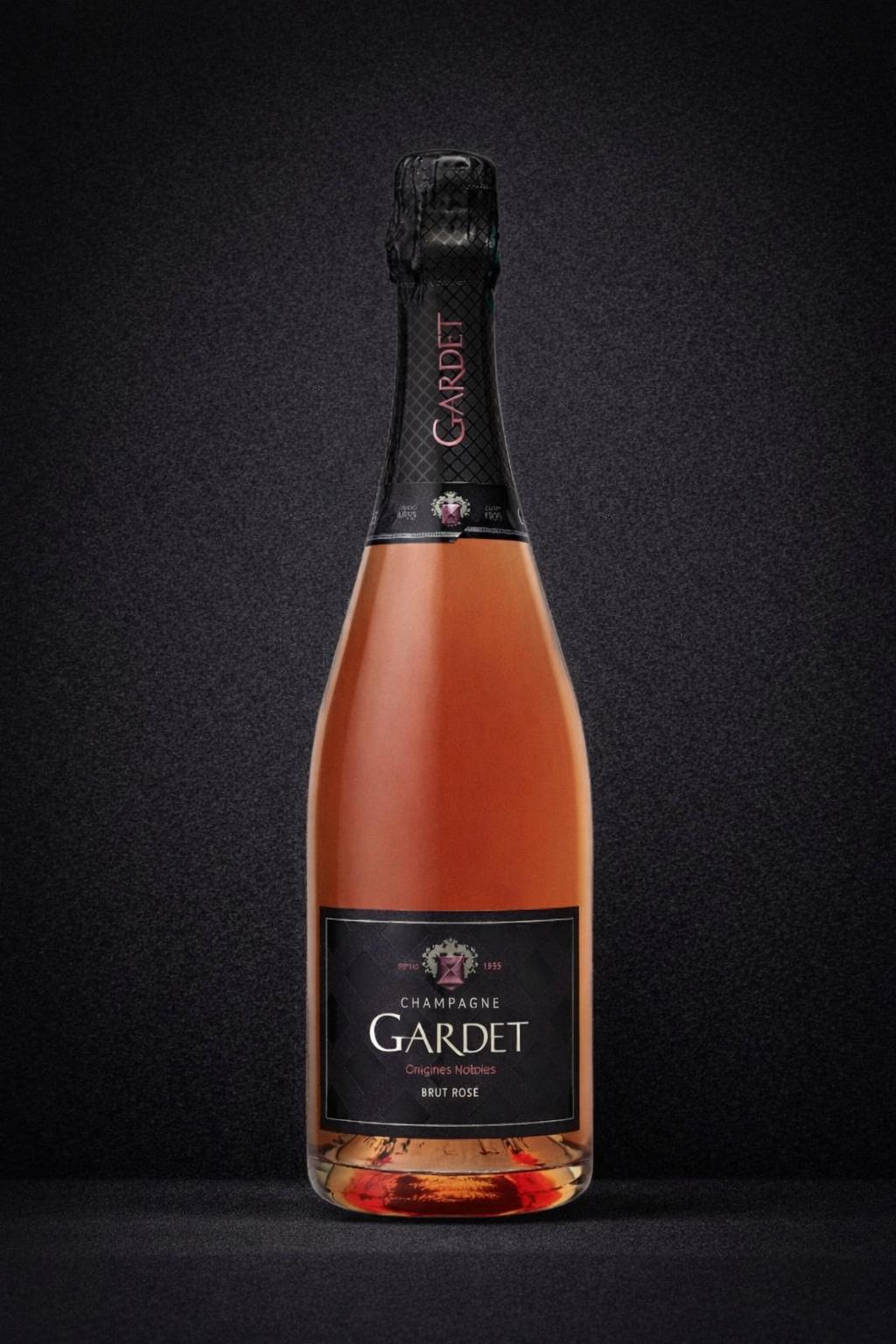
Rosé
8–10 °C
Slightly cooler than whites to preserve freshness
🏆
Vintage
10–12 °C
One degree warmer reveals complexity and tertiary aromas
🍋
Blanc de Blancs
8–9 °C
The coldest: enhances the minerality and vivacity of Chardonnay
🍇
Blanc de Noirs
10–12 °C
Slightly tempered to reveal structure and red fruits
How to open a bottle of champagne
Remove the foil and the wire cage. Hold the bottle at 45°, firmly grip the cork and turn the bottle (not the cork). Let the pressure gently push the cork out: a discreet sigh, not an explosion.
Which glass for champagne: flute, coupe or tulip?
The flute preserves the bubbles. The coupe lets the aromas escape. The tulip glass, recommended by sommeliers, combines the best of both worlds: preserving effervescence and optimal aromatic expression.
Gastronomy
Food & Champagne Pairings
Champagne is the most versatile table companion. Discover the perfect pairings.
Light starters
Salmon tartare
Caviar blinis
Oysters
Pan-seared scallops
Fish & shellfish
Grilled lobster
Sole meunière
Langoustines
Royal sea bream
Aged cheeses
Comté 36 months
Époisses
Brie de Meaux
Chaource
Desserts
Tarte tatin
Wild strawberries
White chocolate soufflé
Macarons
Aperitif
Amuse-bouches
Mini quiches
Gougères
Puff pastry bites
Champagne for the aperitif: which one to choose?
A classic Brut or a Blanc de Blancs are ideal: their freshness stimulates the palate and their lightness pairs with all aperitif canapés.
Champagne and cheese: unexpected pairings
Champagne Brut pairs wonderfully with soft cheeses (Brie, Chaource). Extra-Brut accompanies fresh goat's cheese, and Rosé enhances blue cheese.
Storage
The Art of Champagne Storage
Shelf life of unopened champagne
A non-vintage should be enjoyed within 3 to 5 years. A vintage champagne can age 10 to 20 years in a cellar. Optimal conditions: 10–12 °C, complete darkness, 70% humidity, bottle lying down.
How to store an opened bottle of champagne?
Use an airtight champagne stopper. In the fridge: 2 to 3 days maximum. Large formats (Magnum, Jeroboam) preserve the bubbles better thanks to their more favourable liquid-to-surface ratio.
Ideal cellar conditions for champagne
Constant temperature of 10–12 °C, 70% relative humidity, no light and no vibrations. Bottles must be stored lying down to keep the cork moist.
Organic and sustainable champagne
Organic champagne is made from grapes grown without synthetic pesticides, certified by an approved body (AB, Ecocert). Sustainable viticulture reduces the ecological footprint while maintaining quality.
Heritage
The History of Champagne
1668
Dom Pérignon begins perfecting blending techniques at the Abbey of Hautvillers.
1729
Ruinart becomes the first officially established champagne house.
1818
Madame Clicquot invents the riddling rack, revolutionising the clarification of champagne.
1895
Founding of Maison Gardet in Chigny-les-Roses by Charles Gardet. The beginning of a champagne saga.
1927
Official delimitation of the AOC Champagne. Only wines from this region may bear the name "Champagne".
1941
Founding of the CIVC (Comité Interprofessionnel du Vin de Champagne) to regulate and protect the appellation.
2015
The "Hillsides, Houses and Cellars of Champagne" are inscribed as a UNESCO World Heritage Site.
2025
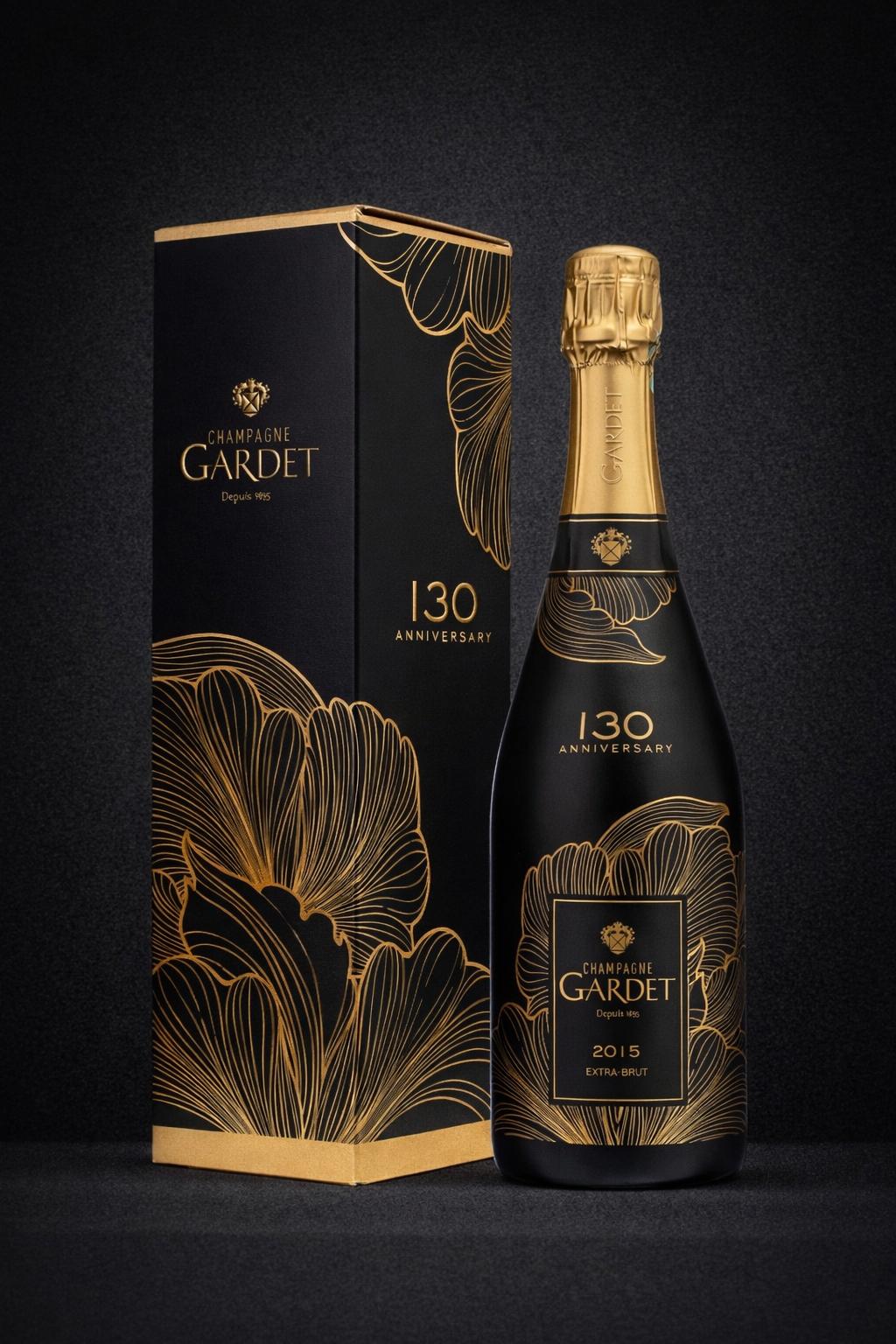
Maison Gardet celebrates 130 years of champagne excellence with an anniversary Extra-Brut Vintage cuvée.
Craftsmanship
The Méthode Champenoise Explained
How are the bubbles in champagne created?
After the first fermentation in tank, a liqueur de tirage (sugar + yeasts) is added. The second fermentation in the bottle captures the natural CO₂: this is the prise de mousse. This unique method creates the fine, characteristic bubbles of champagne.
Champagne vs Prosecco: what's the difference?
Champagne uses the méthode champenoise (second fermentation in the bottle) and comes exclusively from Champagne (France). Prosecco uses the Charmat method (tank fermentation) and comes from Veneto (Italy).
What are riddling and disgorgement?
Riddling (remuage) involves gradually turning the bottle upside down to bring the yeast sediment into the neck. Disgorgement (dégorgement) expels this deposit through cold, leaving a clear, brilliant wine.
Reading the label of a champagne bottle
The label shows the cuvée name, the dosage, the possible vintage, the AOC Champagne and the producer status: RM (Récoltant-Manipulant), NM (Négociant-Manipulant) or CM (Cooperative).
Key Figures
Champagne in the World
34,000
Hectares of vineyards
320M
Bottles per year
€6B
Turnover
190+
Import countries
Buy champagne online: B2B tips
For professionals (restaurants, specialist retailers, distributors), buying directly from a house like Gardet guarantees the best value for money, optimal delivery conditions and access to exclusive cuvées.
Champagne prices: understanding the price tiers
Prices vary according to terroir (Premier Cru, Grand Cru), ageing time, dosage and format. A classic Brut offers excellent value, while vintages and prestige cuvées reflect exceptional craftsmanship.
Special Moments
Champagne for every Occasion
Champagne for the wedding: which format to choose?
The Magnum is the king format for weddings: it serves 12 guests and ages better. For a spectacular effect, choose a Jeroboam (24 glasses) as a centrepiece.
Champagne for New Year's Eve and holidays
Plan 3 to 4 flutes per person for an evening. For 30 guests, that's approximately 15 to 20 bottles. Brut is the universal choice that pleases every palate.
Champagne as a gift: the extraordinary idea
A Champagne Gardet gift set combines elegance and prestige. Vintages and large formats (Magnum, Jeroboam) are unforgettable gifts for special occasions.
Champagne for professionals: gastronomy, events, corporate gifts
Restaurants, hotels, champagne bars and event organisers benefit from preferential B2B conditions, a complete catalogue and personal support from Champagne Gardet.
Test Your Knowledge
Sommelier Quiz
10 questions to test your champagne knowledge. Are you worthy of a sommelier?
Question 1 / 10Score: 0 / 0
Our Selection
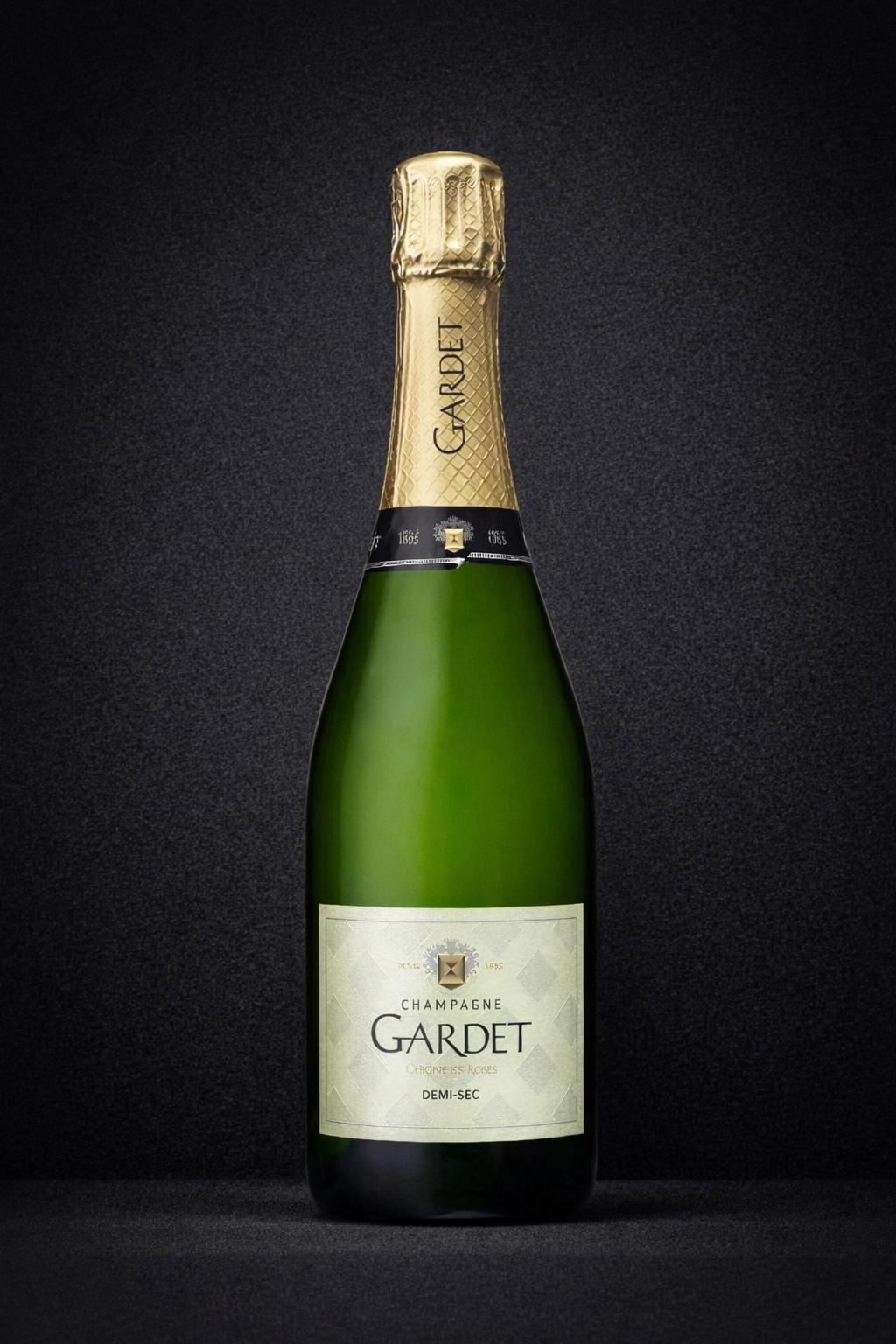
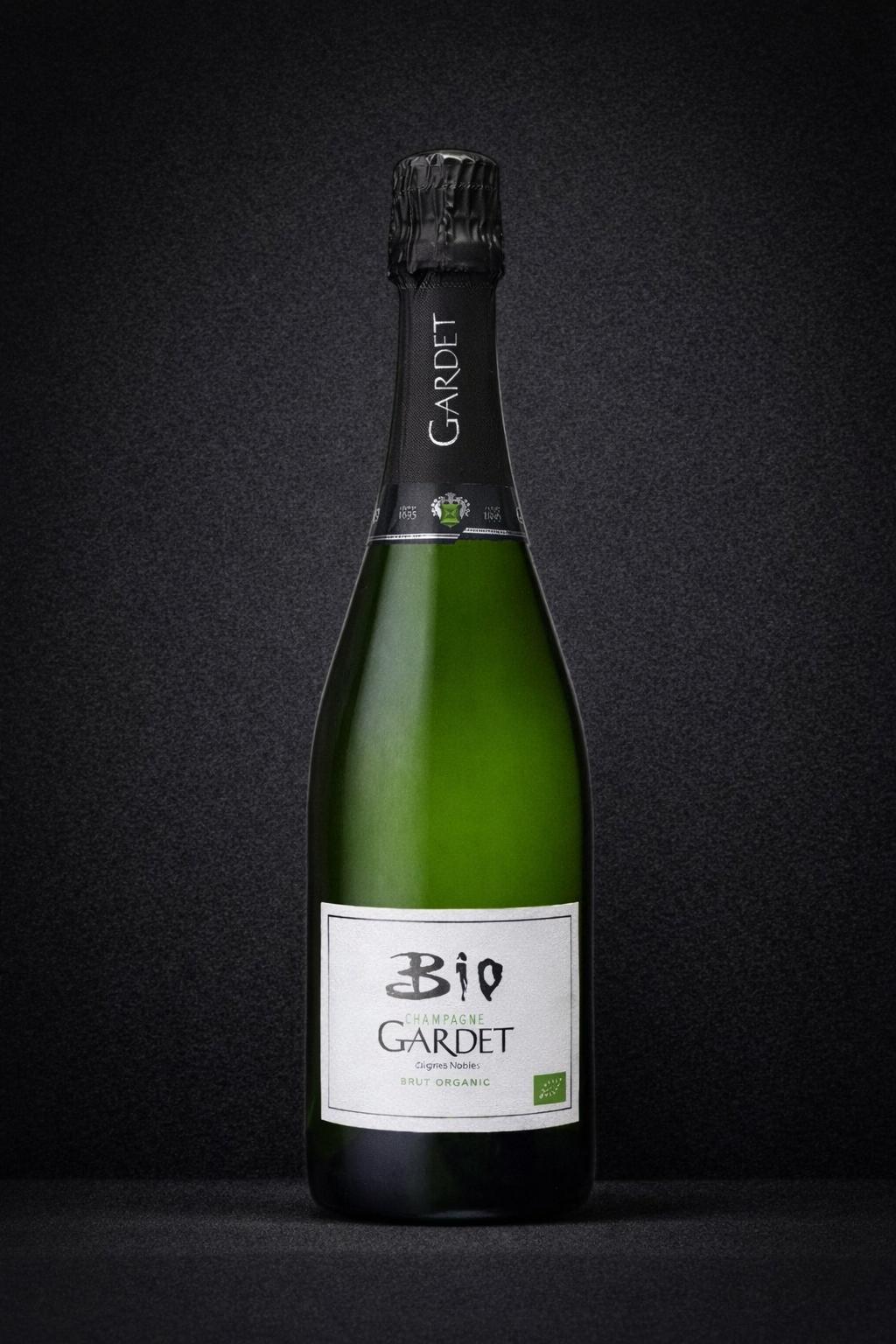
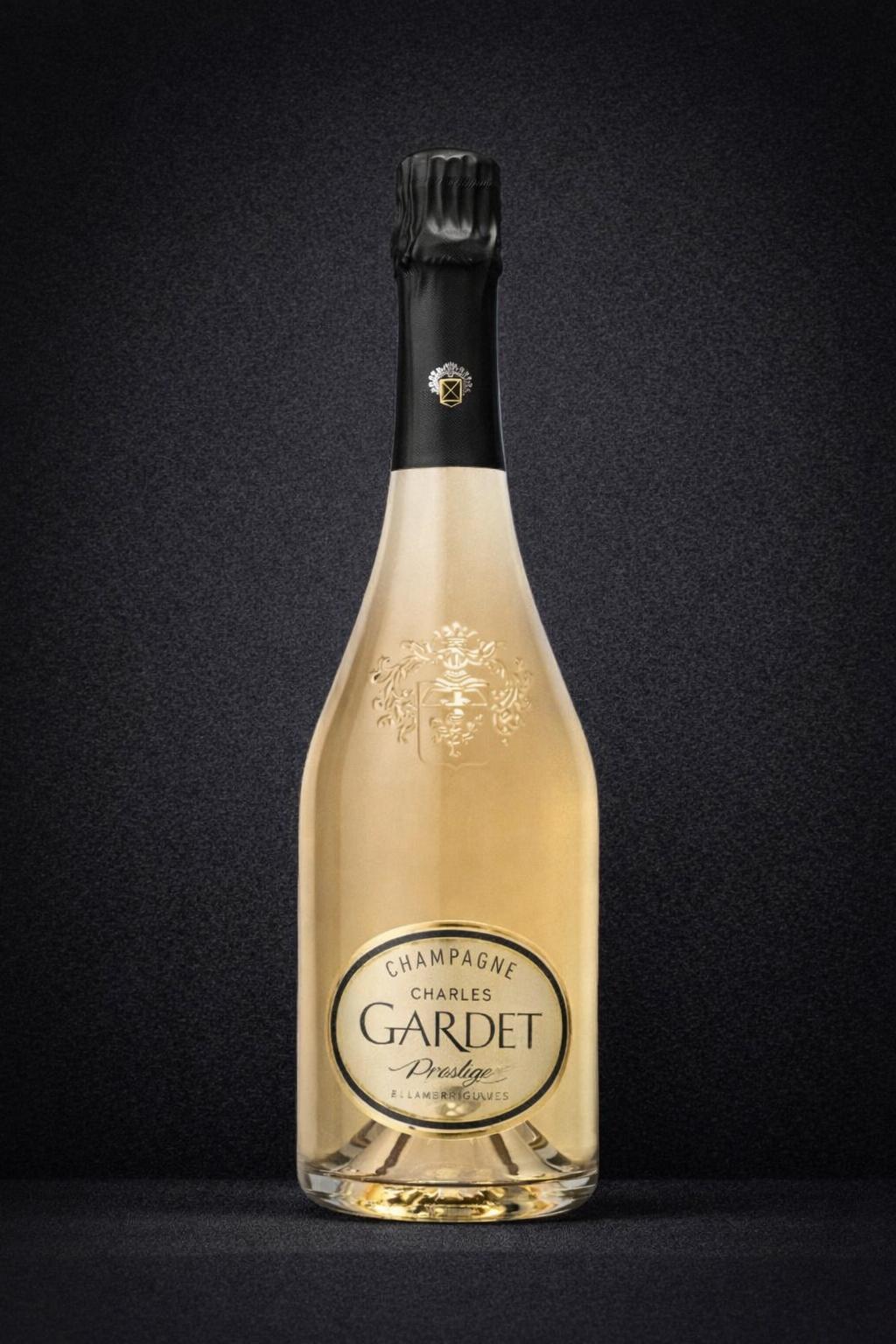
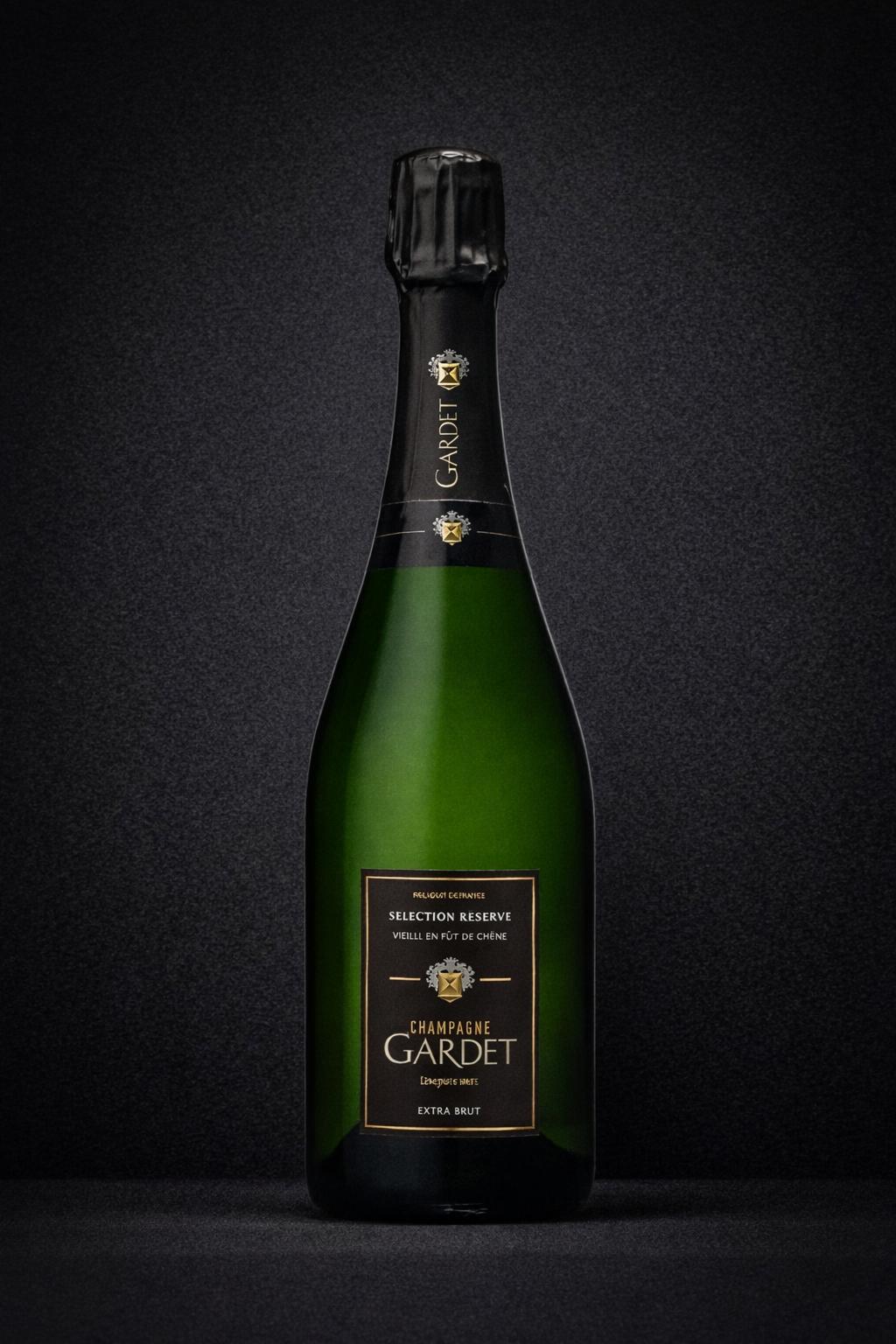
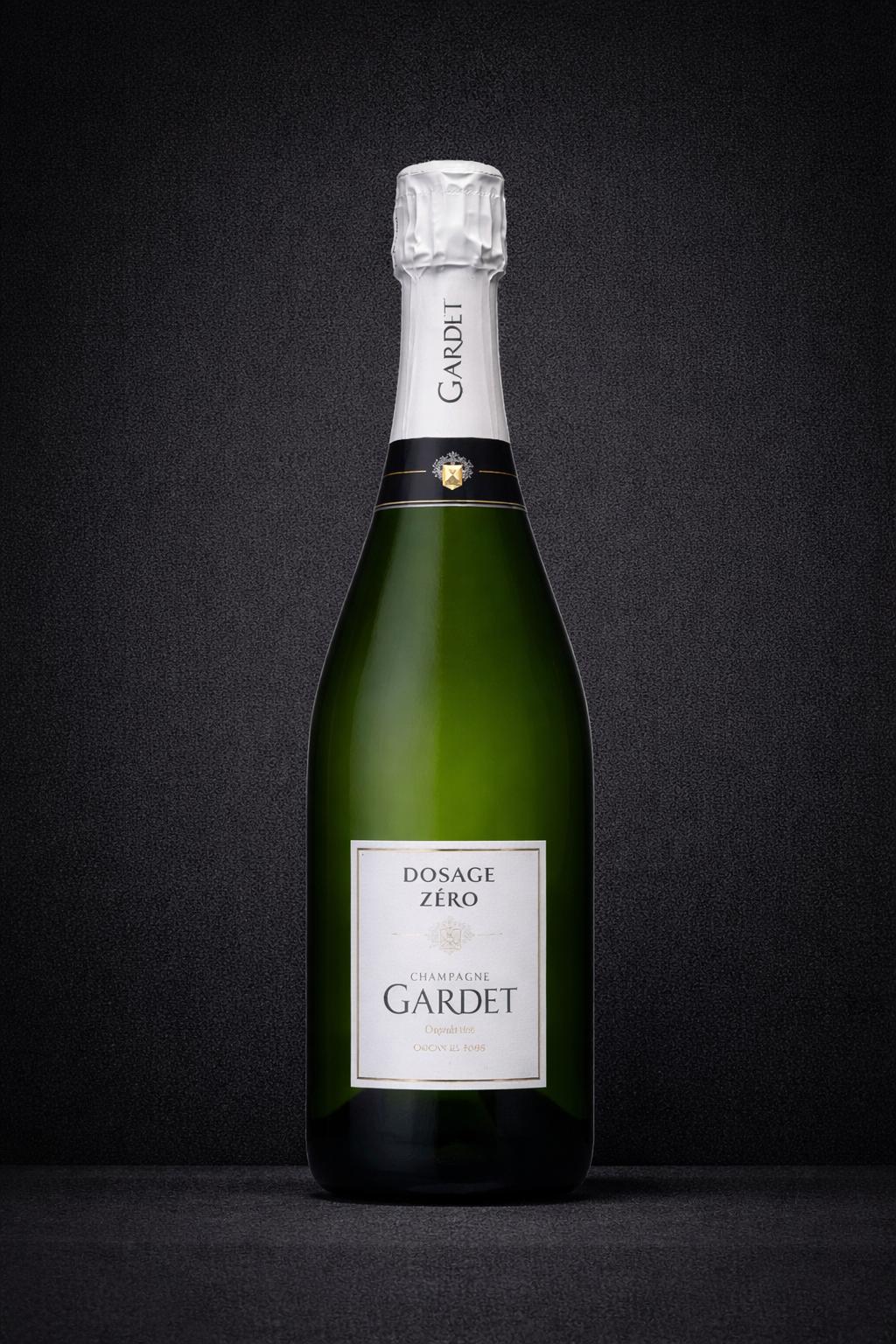
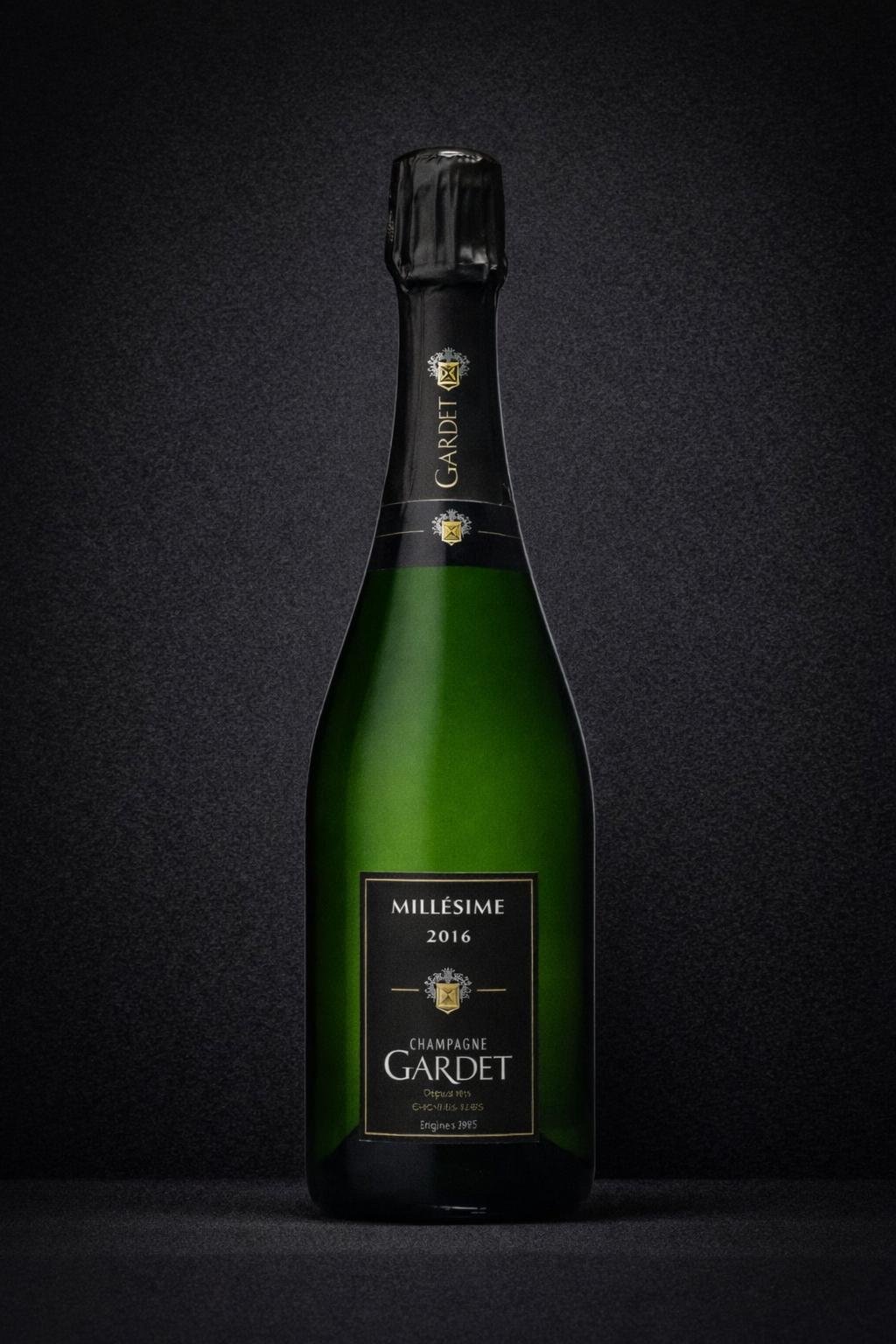
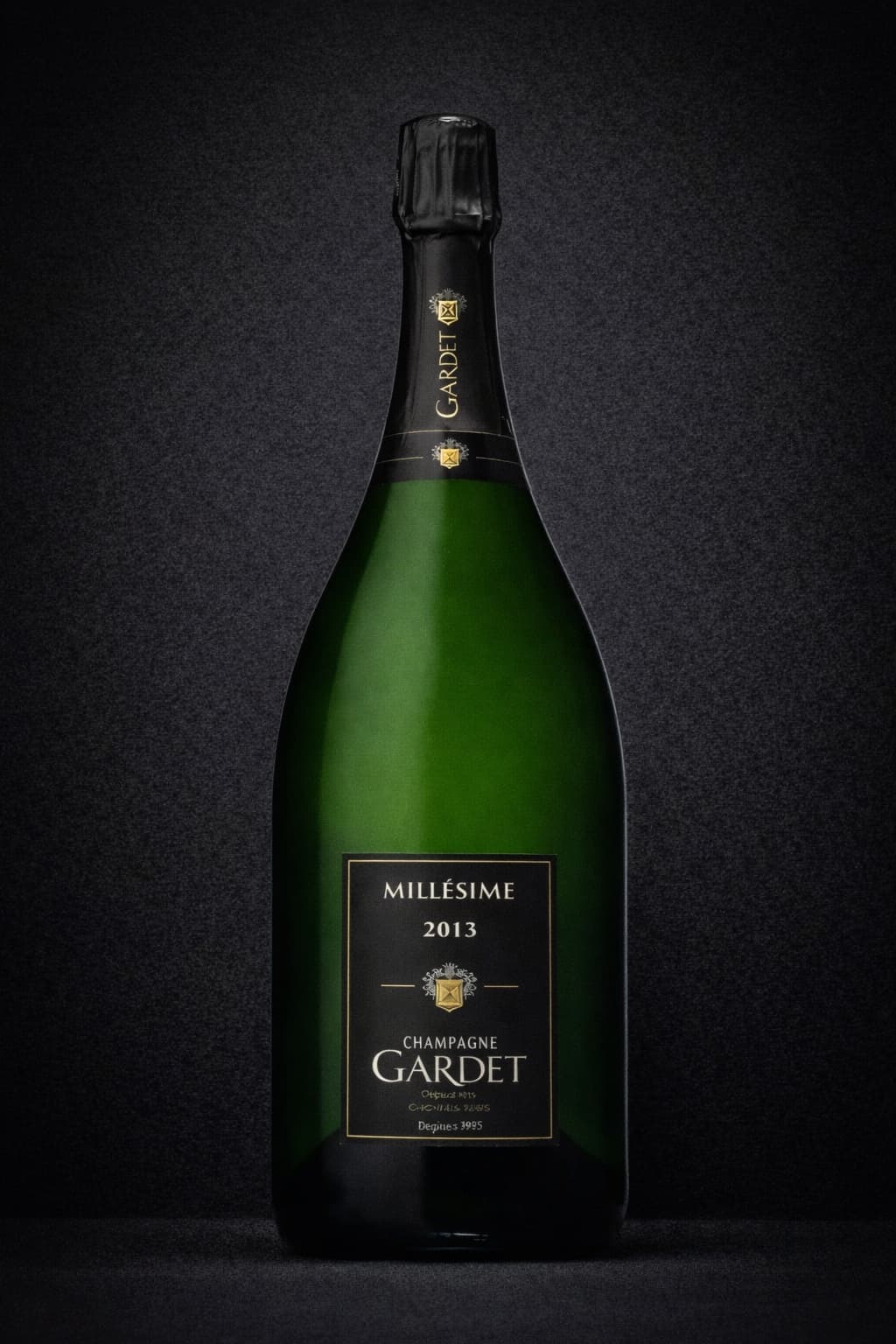
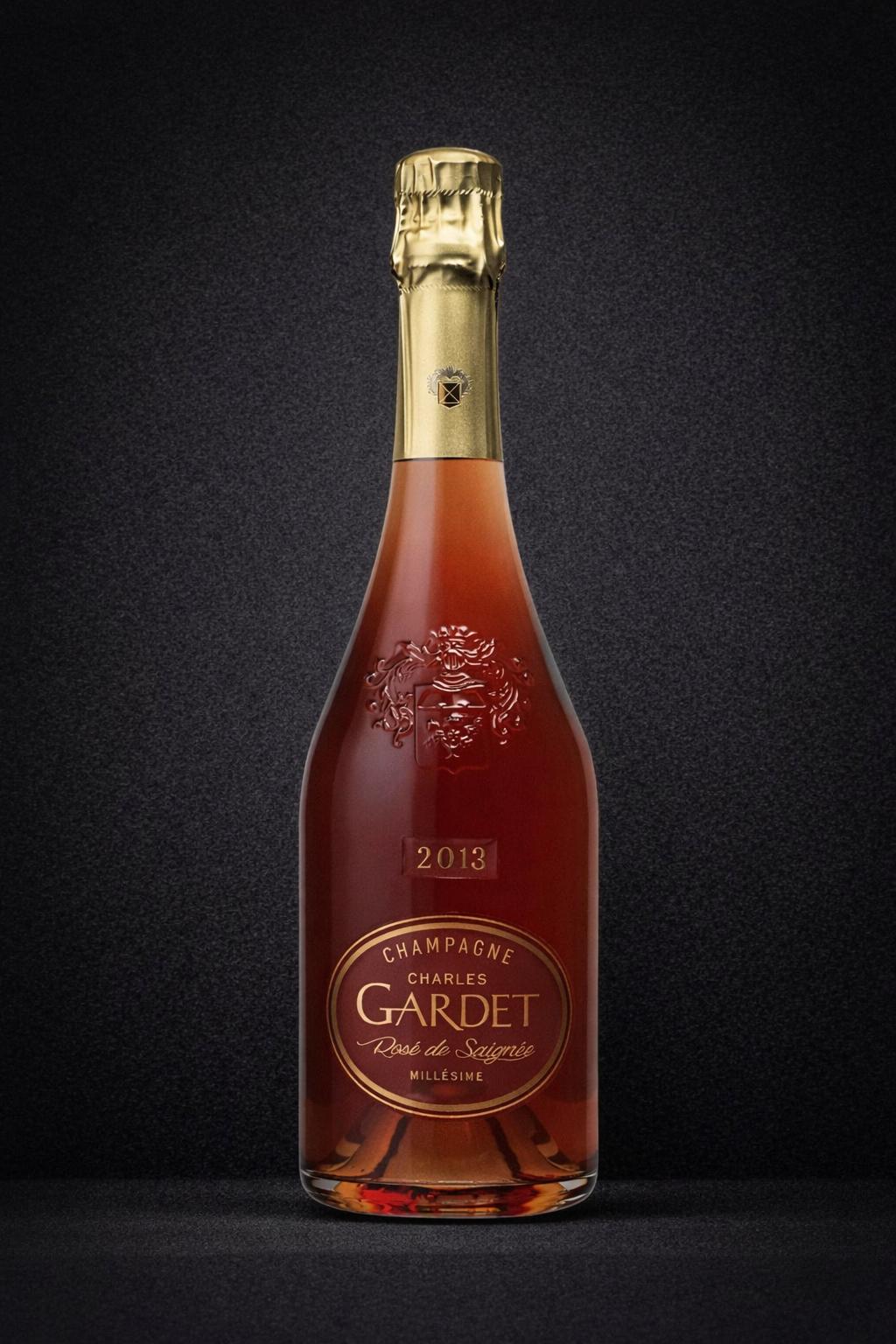
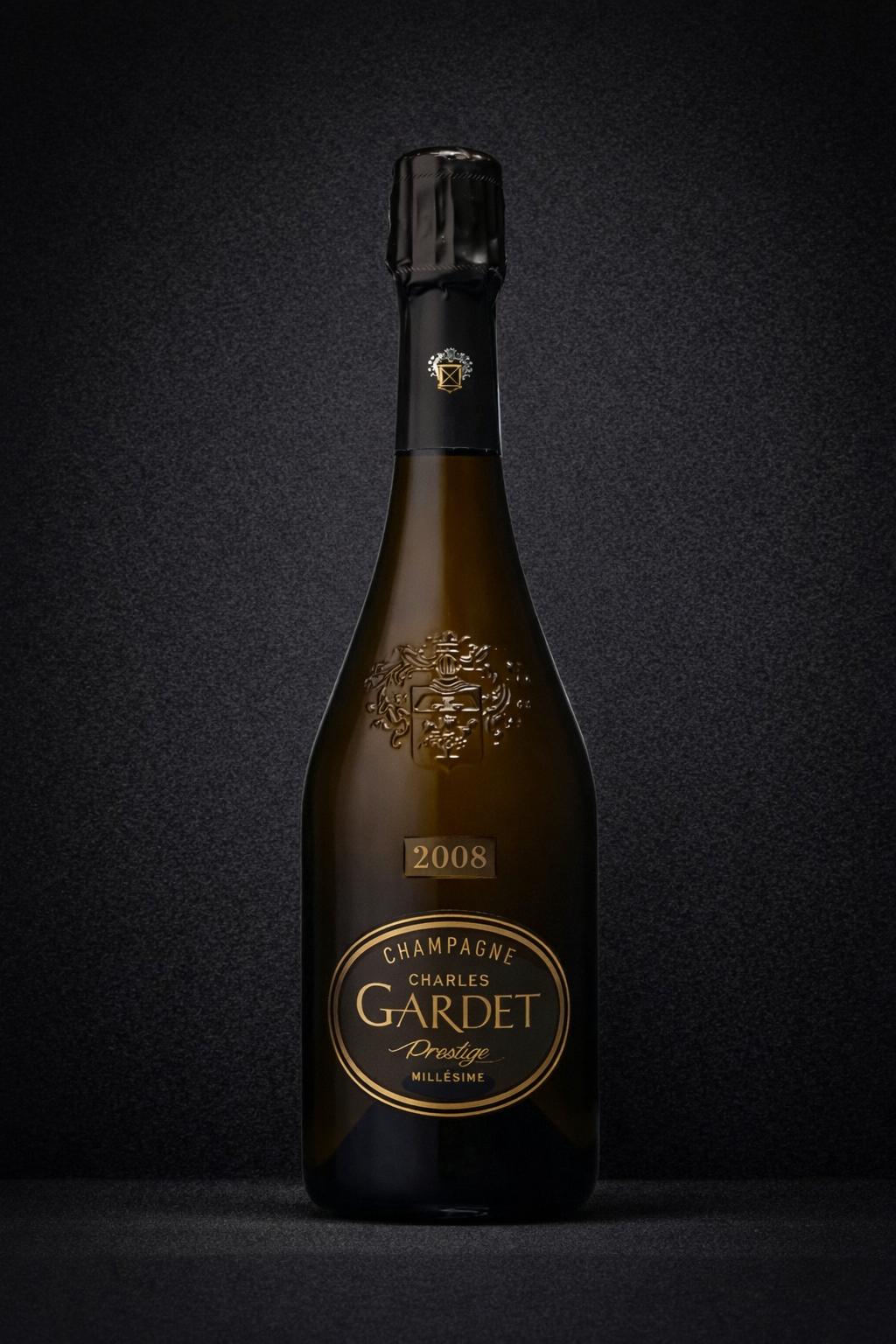
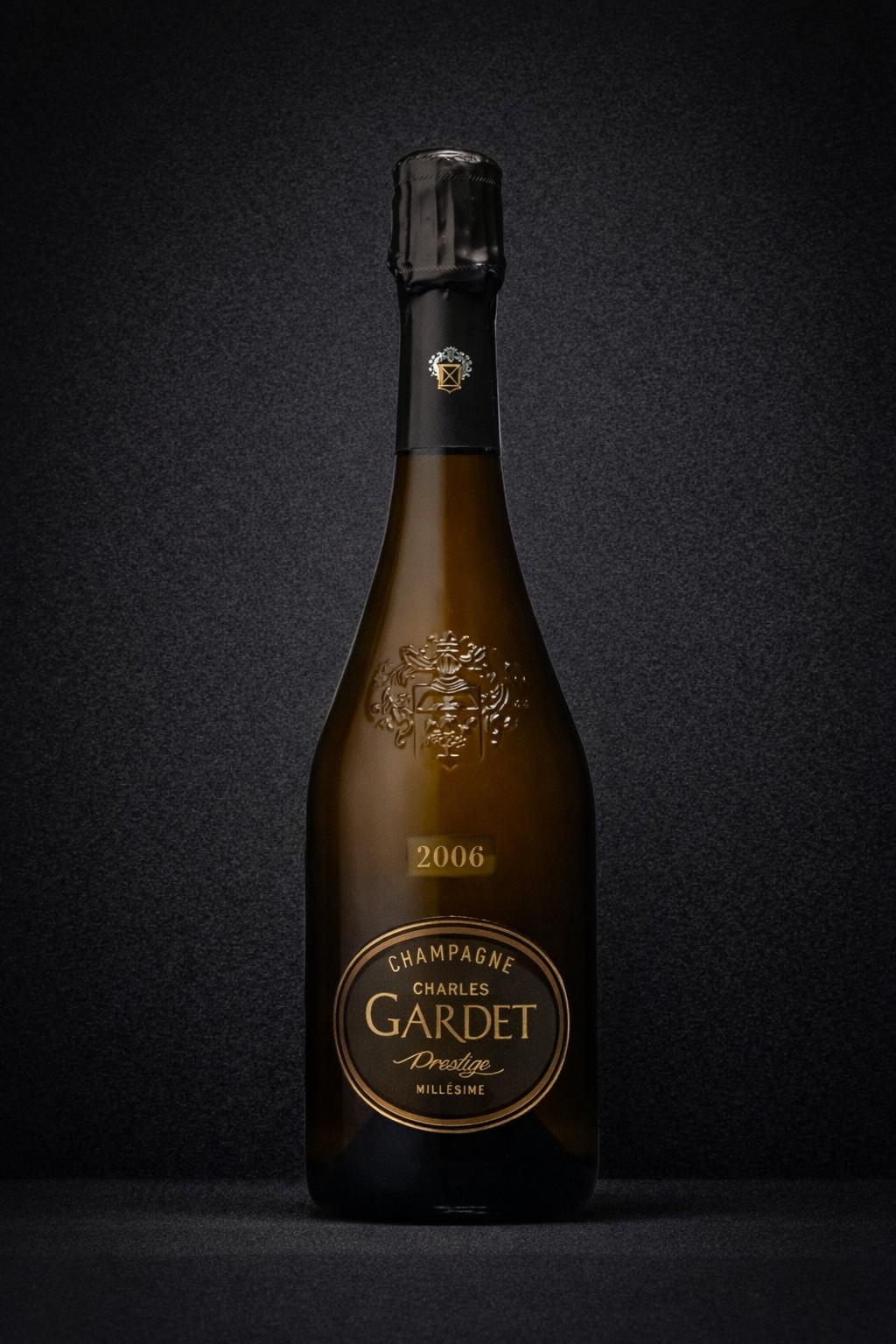
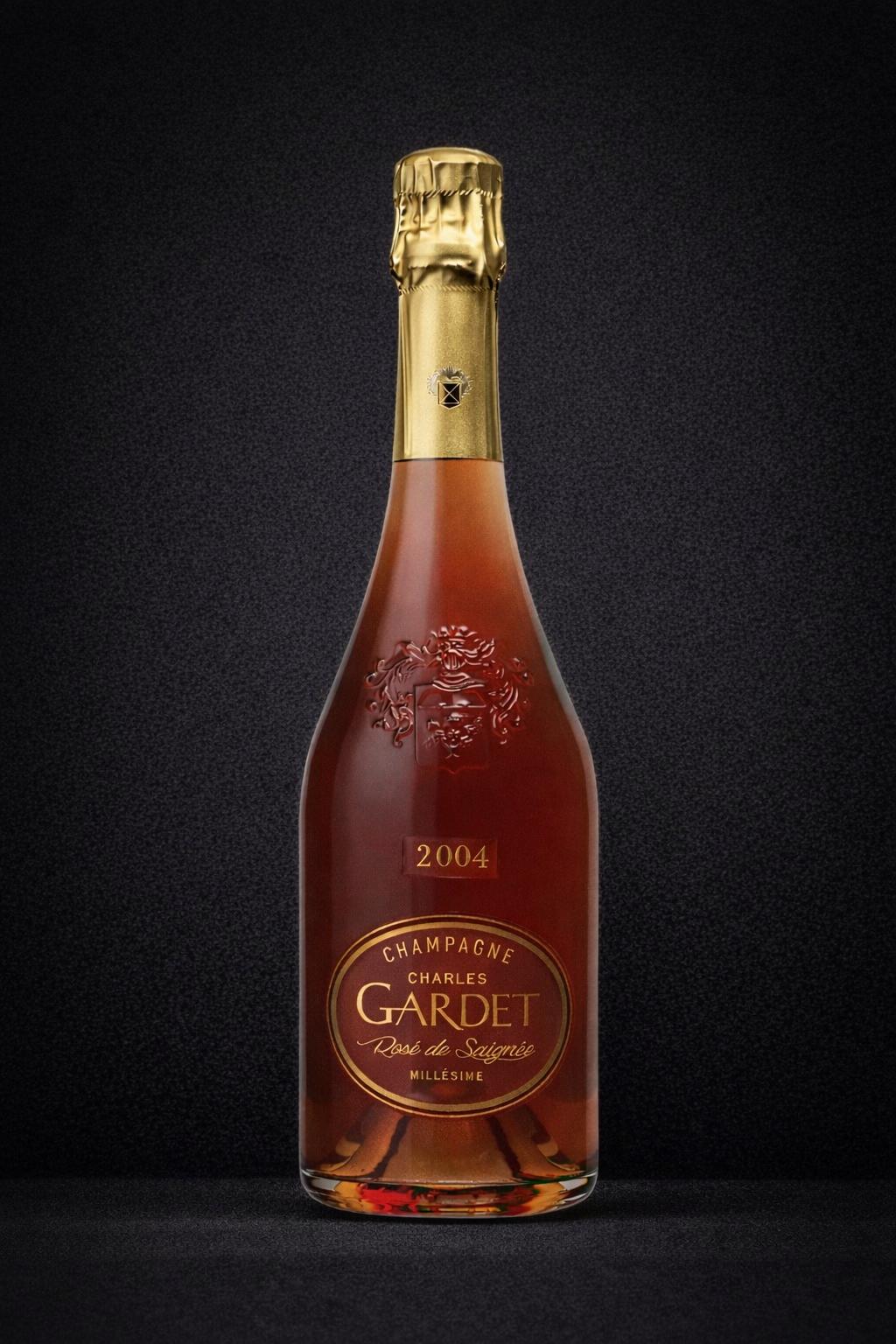
Champagne Gardet Cuvées Since 1895
Discover our collections, crafted in Chigny-les-Roses, Premier Cru.
A flute of Brut champagne contains approximately 80 to 90 kcal, less than a glass of red wine (approximately 125 kcal). Extra-Brut and Brut Nature are even lighter thanks to their low sugar content.
Non-alcoholic champagne: an alternative?
Dealcoholised champagnes preserve the bubbles and some of the aromas, but cannot bear the designation "Champagne". For a truly light champagne, choose a Brut Nature (0 to 3 g/L sugar).
Mixology
Champagne-Based Cocktails
The classic Champagne Cocktail
Soak a sugar cube with Angostura bitters, place it in a flute, add a dash of Cognac and top up with well-chilled Champagne Brut. Garnish with a lemon zest. A classic since the 1860s.
The Mimosa: champagne and fresh orange juice
Half champagne, half freshly squeezed orange juice in a well-chilled flute. The quintessential brunch drink. Use an entry-level Champagne Brut for optimal value.
The Kir Royal: champagne and Crème de Cassis
Pour 1 cl of Crème de Cassis from Dijon into the bottom of a flute and top with Champagne Brut. The ruby colour and blackcurrant aromas add an irresistible festive dimension.
The Bellini: champagne and white peach
Fresh white peach purée (or nectar) in the bottom of the flute, topped with well-chilled champagne. Invented in 1948 at Harry's Bar in Venice, it embodies Italian elegance meets champagne luxury.
Frequently Asked Questions
FAQ — Everything about Champagne
A standard flute holds 12.5 cl. A 75 cl bottle therefore yields 6 flutes. For a magnum (1.5 L), count 12 flutes.
Keep the bottle at 45°, hold the cork firmly and turn the base of the bottle (not the cork). Let the pressure gently push the cork out.
Between 8 and 10°C for a classic Brut, 10–12°C for a vintage. Chill for 3 hours in the refrigerator or 30 minutes in an ice bucket.
Use an airtight stopper. Storage for 2 to 3 days in the refrigerator maximum.
The Magnum (12 glasses) is ideal for tables of 8–10 guests. The Jeroboam (24 glasses) creates a spectacular effect.
Champagne is produced exclusively in the Champagne region (France) using the méthode champenoise. Prosecco comes from Italy and uses the Charmat method.
It is the process of double fermentation in the bottle that creates bubbles naturally. Minimum ageing: 15 months (non-vintage) or 36 months (vintage).
For an aperitif (2 flutes/person): approximately 17 bottles. For a full meal (4 flutes/person): approximately 34 bottles.
A flute of Brut champagne contains approximately 80 to 90 kcal, less than a glass of red wine.
The flute preserves the bubbles, but the tulip glass is recommended by sommeliers as it better concentrates the aromas.
Look at the dosage, the terroir (Premier Cru, Grand Cru), the blend of grape varieties and the duration of lees ageing.
A non-vintage should be enjoyed within 3 to 5 years. A vintage can be kept for 10 to 20 years in a cellar (12°C, darkness).
A champagne made from grapes from villages classified as Premier Cru (90–99% on the cru scale), guaranteeing superior quality.
Pinot Noir (structure), Chardonnay (finesse) and Pinot Meunier (fruitiness). They make up the bulk of champagne blends.
A champagne made from grapes grown without synthetic pesticides or chemical fertilisers, certified by an approved body (AB, Ecocert).
The label shows: the cuvée name, the dosage (Brut, Extra-Brut…), the possible vintage, the AOC Champagne appellation and the récoltant-manipulant (RM) or négociant-manipulant (NM) number.
A classic Brut or a Blanc de Blancs are perfect for the aperitif. Their freshness and vivacity stimulate the palate.
Champagne pairs with seafood, salmon, aged cheeses, roast poultry and light fruit desserts.
A champagne made exclusively from Chardonnay. It is distinguished by its finesse, minerality and citrus notes.
Since 1895
Maison Champagne Gardet Chigny-les-Roses
130 years of champagne craftsmanship
Founded in 1895 by Charles Gardet, Maison Gardet is one of the last independent champagne houses. Located in Chigny-les-Roses, a commune classified as Premier Cru on the Montagne de Reims, it nurtures a craft passed down from generation to generation.
Professional B2B champagne supplier
Champagne Gardet supports professionals worldwide: Michelin-starred restaurants, luxury hotels, specialist retailers, distributors and event organisers. Complete catalogue, preferential conditions, international shipping and personal support.
Ready to discover our Cuvées?
Explore our complete catalogue or request a personalised quote for your business.