Glass calculator · Service guide · Cuvée selection
Select your bottle format to discover the number of flutes, the ideal occasions and our service tips.
The standard 75cl bottle was born in the 19th century, calibrated to the lung capacity of a glass blower.
Enter the number of guests and we calculate the ideal quantity for each format.
| Format | Volumen | Flutes 12,5cl | Persons | = Bottles | Occasion |
|---|---|---|---|---|---|
|
Half bottle
|
0.375 L | 3 | 1–2 people | 1× | A private one-on-one, intimate pre-dinner drinks |
|
Bottle
|
0.75 L | 6 | 4–6 people | 1× | Dinner, intimate celebration |
|
Magnum
|
1.5 L | 12 | 8–12 people | 2× | Reception, elegant wedding |
|
Jeroboam
|
3 L | 24 | 16–24 people | 4× | Grand banquet, 50 years, golden anniversary |
|
Methuselah
|
6 L | 48 | 30–50 people | 8× | Gala, lavish wedding, yacht |
|
Salmanazar
|
9 L | 72 | 50–70 people | 12× | Prestige event, VIP evening |
|
Nebuchadnezzar
|
15 L | 120 | 80–120 people | 20× | Exceptional evening, spectacle |
The right temperature reveals the full complexity and finesse of each cuvée.
Chill for 3 hours in the fridge or 30 minutes in an ice bucket
Slightly cooler than whites to preserve freshness
One degree more reveals complexity and tertiary aromas
The coldest: enhances the minerality and liveliness of the Chardonnay
Slightly tempered to reveal structure and red fruit notes
Ideal method: bucket with ice + cold water + salt (speeds up chilling). Allow 20–30 minutes. Never in the freezer: the bubbles disappear and the bottle risks bursting.
The flute (12.5 cl) concentrates the aromas and preserves the bubbles. The tulip glass is the modern choice of sommeliers. Avoid the coupe: too wide, it releases the aromas and effervescence too quickly.
Tilt the bottle at 45°. Remove the cage by turning it 6 times. Hold the cork and turn the bottle, not the cork. Goal: a sigh, not a pop. The champagne must never gush.
Champagne, the only wine capable of accompanying an entire meal from start to finish.
« Come quickly, I am drinking stars. »
The answers to the most frequently asked questions from our clients and enthusiasts.
100 questions & answers · Complete guide →A standard champagne flute holds 12.5cl. A 75cl bottle therefore provides 6 flutes. Always allow a little extra for top-ups during the evening.
The Magnum (12 glasses) is ideal for tables of 8 to 10 people. For greater impact, opt for the Jeroboam (24 glasses), which creates a remarkable visual effect during service.
Use an airtight champagne stopper. An opened bottle keeps for 2 to 3 days in the fridge. Larger bottles (Magnum and above) retain their effervescence better thanks to a more favourable liquid-to-surface ratio.
Absolutely not. Keep the bottle upright and at rest for at least 24 hours before serving. Hold it at 45° for opening, gently turn the cork (not the bottle) while holding back the pressure.
The flute preserves the bubbles and concentrates the aromas. The coupe (said to have been modelled on the breast of Marie-Antoinette) allows the aromas to escape too quickly. The tulip glass is today the sommelier's choice: it combines bubble preservation with aromatic expression.
It is the bottle fermentation process that creates the bubbles naturally. After the first fermentation, a liqueur de tirage (sugar + yeasts) is added, triggering a second fermentation in the bottle. The lees remain during the minimum legal ageing period (15 months for a non-vintage, 36 months for a vintage).
The dosage (g/L of sugar) defines the category: Brut Nature (0–3 g/L), Extra-Brut (0–6 g/L), Brut (< 12 g/L), Extra-Dry (12–17 g/L), Sec (17–32 g/L), Demi-Sec (32–50 g/L). The lower the dosage, the more direct the expression of the terroir.
The essential terms to talk champagne with the ease of a sommelier.
| Appellation | Residual sugar | Profile | Recommended pairings | Audience |
|---|---|---|---|---|
| Brut Nature / Zero Dosage | 0–3 g/L | Mineral, pure, acidic | Oysters, raw fish, seafood | Experts, purists |
| Extra-Brut | 0–6 g/L | Dry, vivid, assertive terroir | Tartares, sushi, fresh cheeses | Connoisseurs |
| Brut | < 12 g/L | Fresh, balanced, versatile | Aperitif, fish, poultry | The most consumed |
| Extra-Dry | 12–17 g/L | Slightly sweet, rounded | Light desserts, fresh fruit | Casual, festive |
| Sec | 17–32 g/L | Off-dry, fruity | Foie gras, fruity desserts | General public |
| Demi-Sec | 32–50 g/L | Sweet, indulgent | Pastries, white chocolate, fruit | Desserts, digestif |
| Doux | > 50 g/L | Very sweet, rare | Weddings, elaborate desserts | Rare, collector |
6 questions to measure your level in the art of champagne. From the amateur to the great connoisseur.
Centuries of excellence, innovation and celebration.
The secrets to preserving your bottles in the best possible conditions.
The term "Champagne" is protected by French and European law. Only sparkling wines produced in the delimited region of Champagne (Marne, Aube, Aisne, Seine-et-Marne, Haute-Marne) according to the méthode champenoise may legally bear this name. Any other use constitutes counterfeiting and is liable to legal proceedings.
Exceptional champagnes, carefully selected for every occasion.
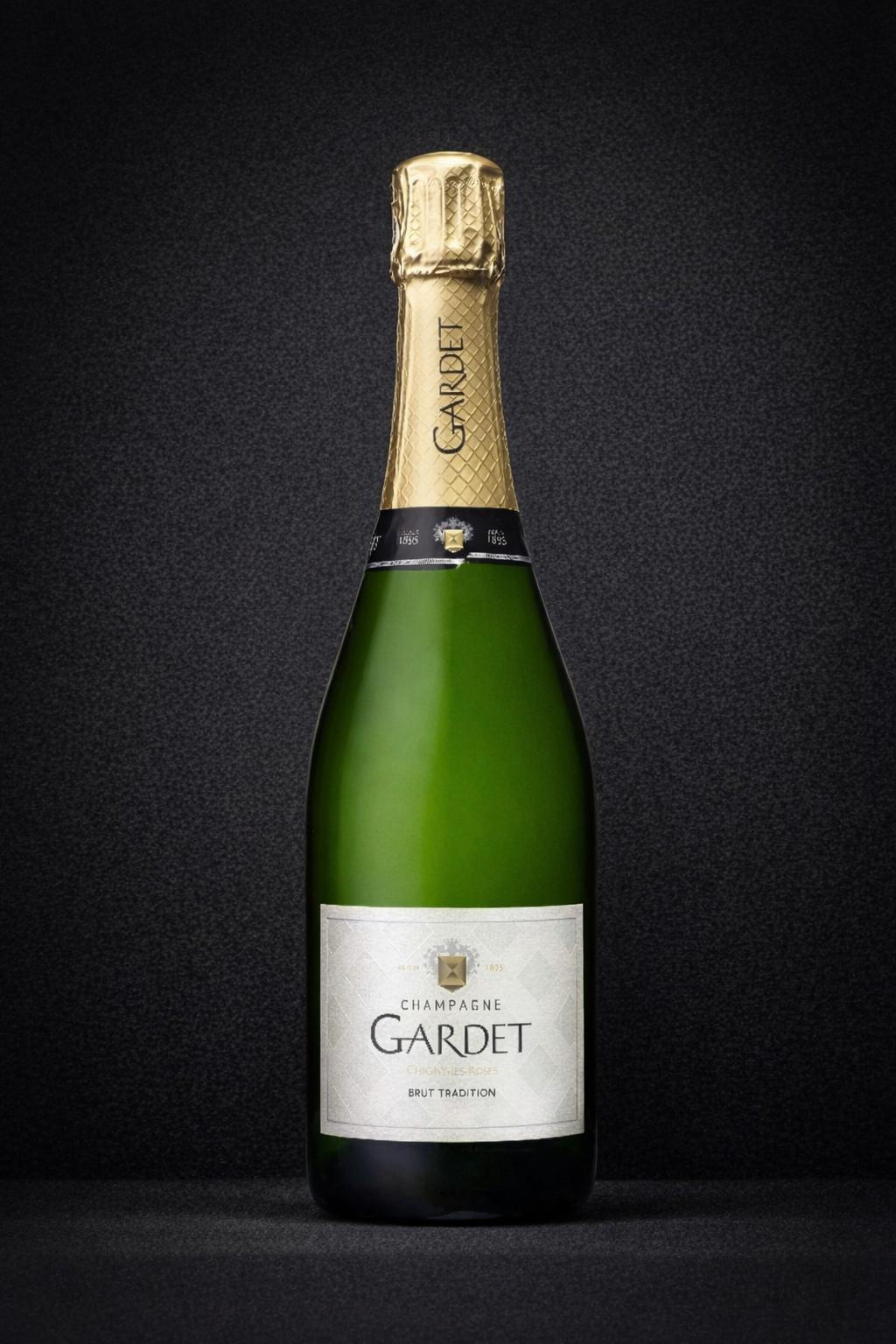
A Champagne of immediate elegance, precise and perfectly balanced. Freshness, finesse and consistency unite to offer a reliable, refined and…
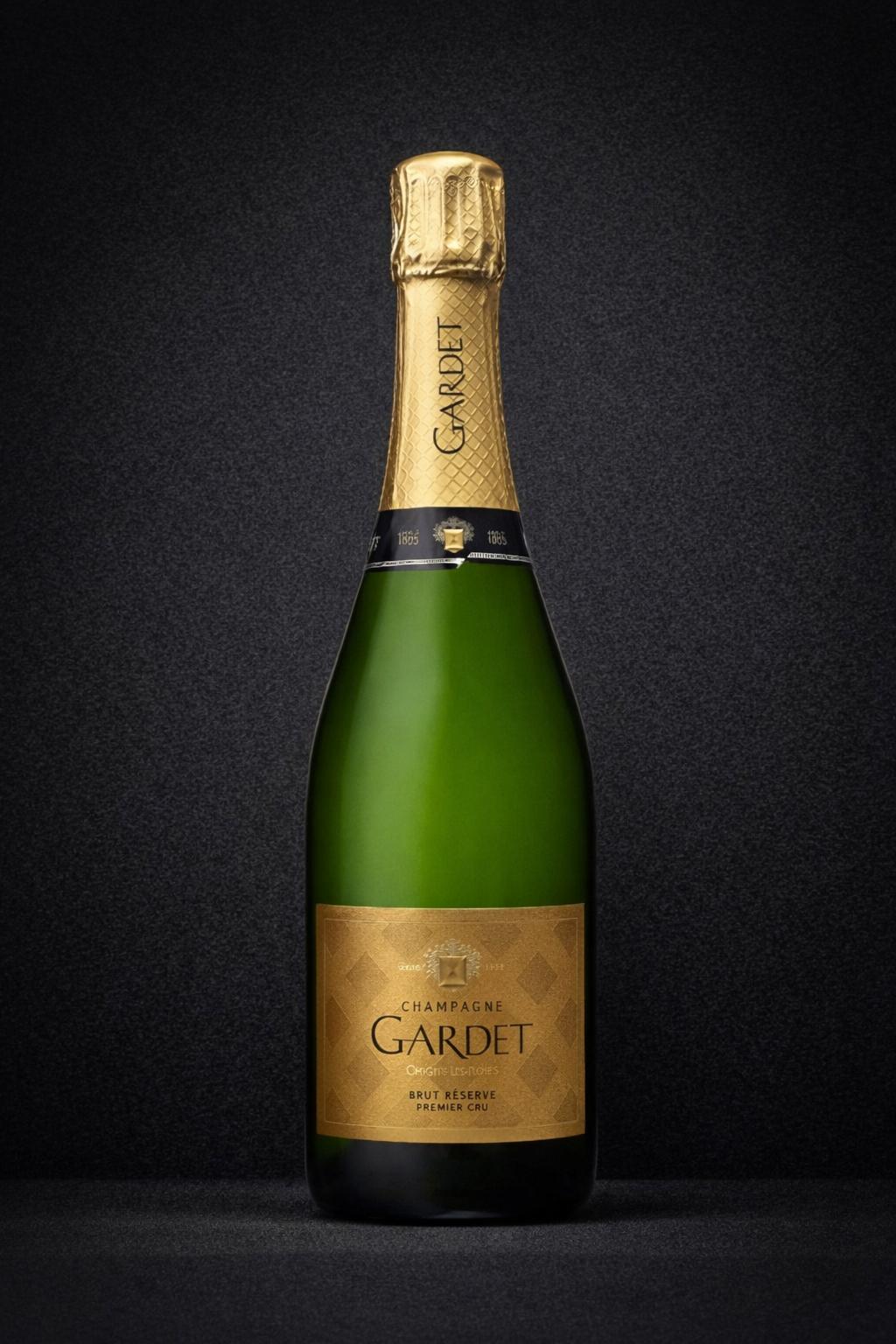
The perfect balance of three grape varieties, partially aged in century-old oak casks. Six years of patience reveal an elegant and distincti…
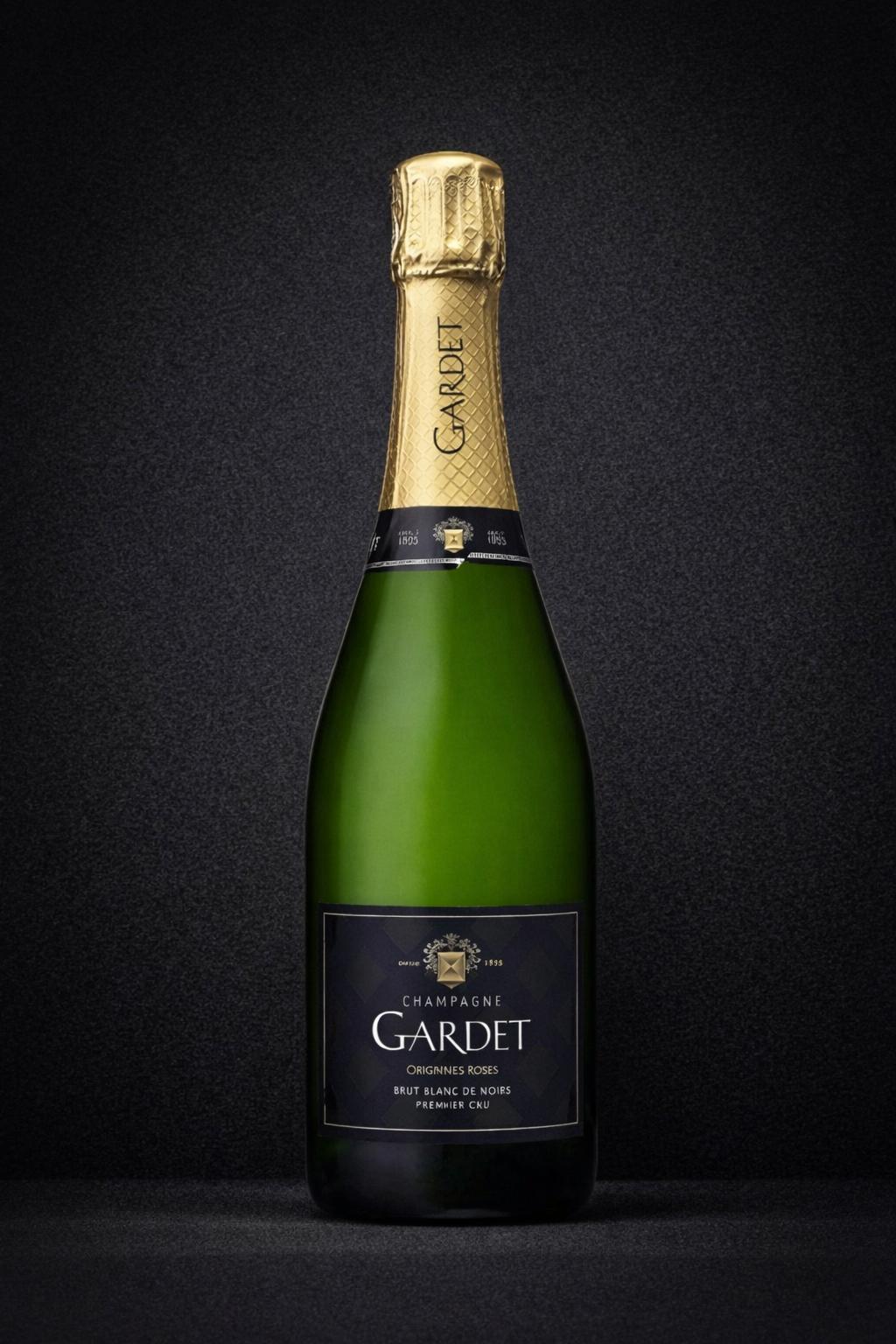
A Premier Cru with a distinctive signature, combining freshness and the elegance of noble birth. Exclusively from Hautvillers, the birthplac…
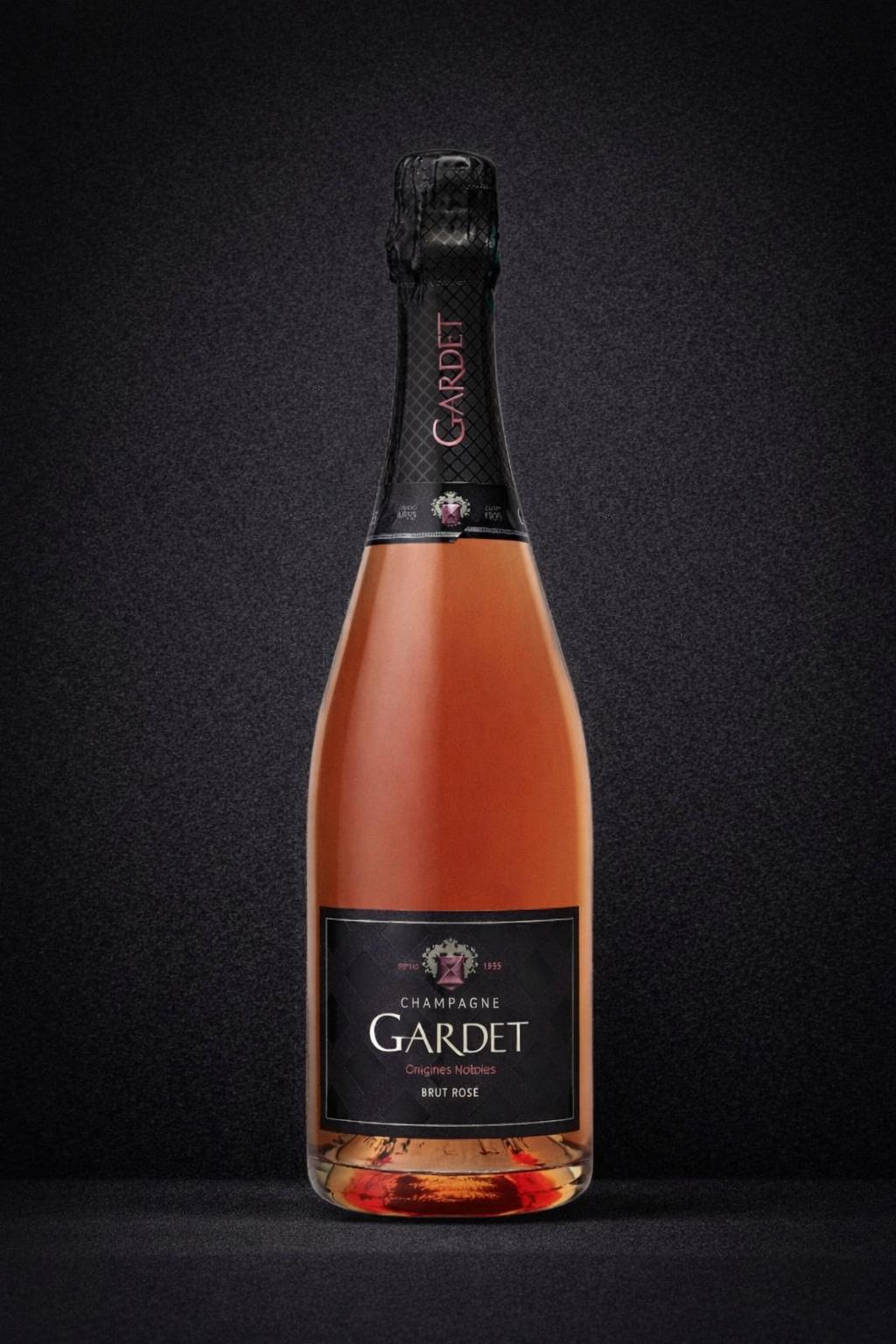
An exemplary assemblage Rosé, caressing and fresh, aromatic without excess. Between naturalness and simplicity, elegance and femininity, its…
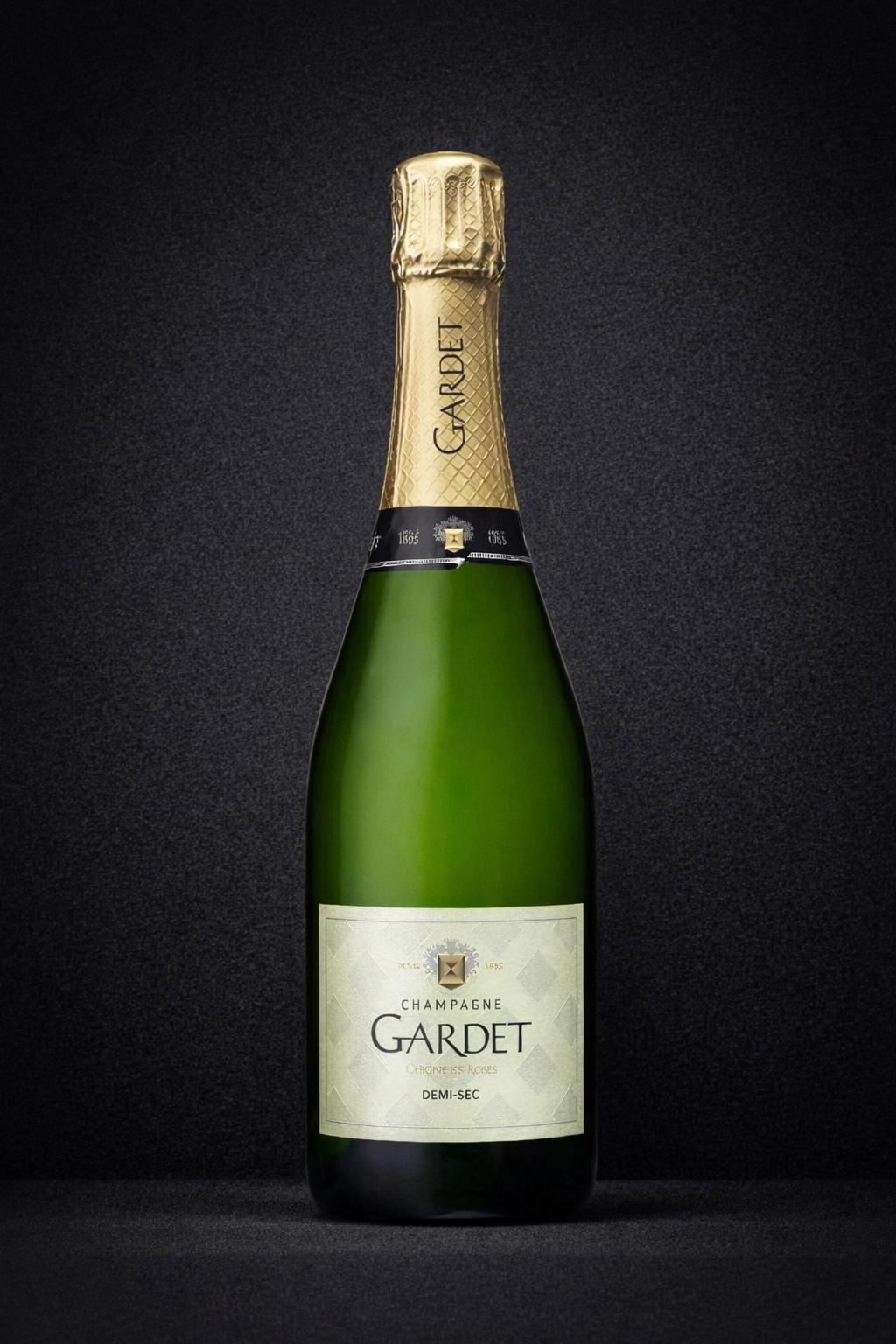
A dosed version of Brut Tradition, reserved for lovers of smooth and sweet wines. It reveals all its richness with desserts, combining fruit…
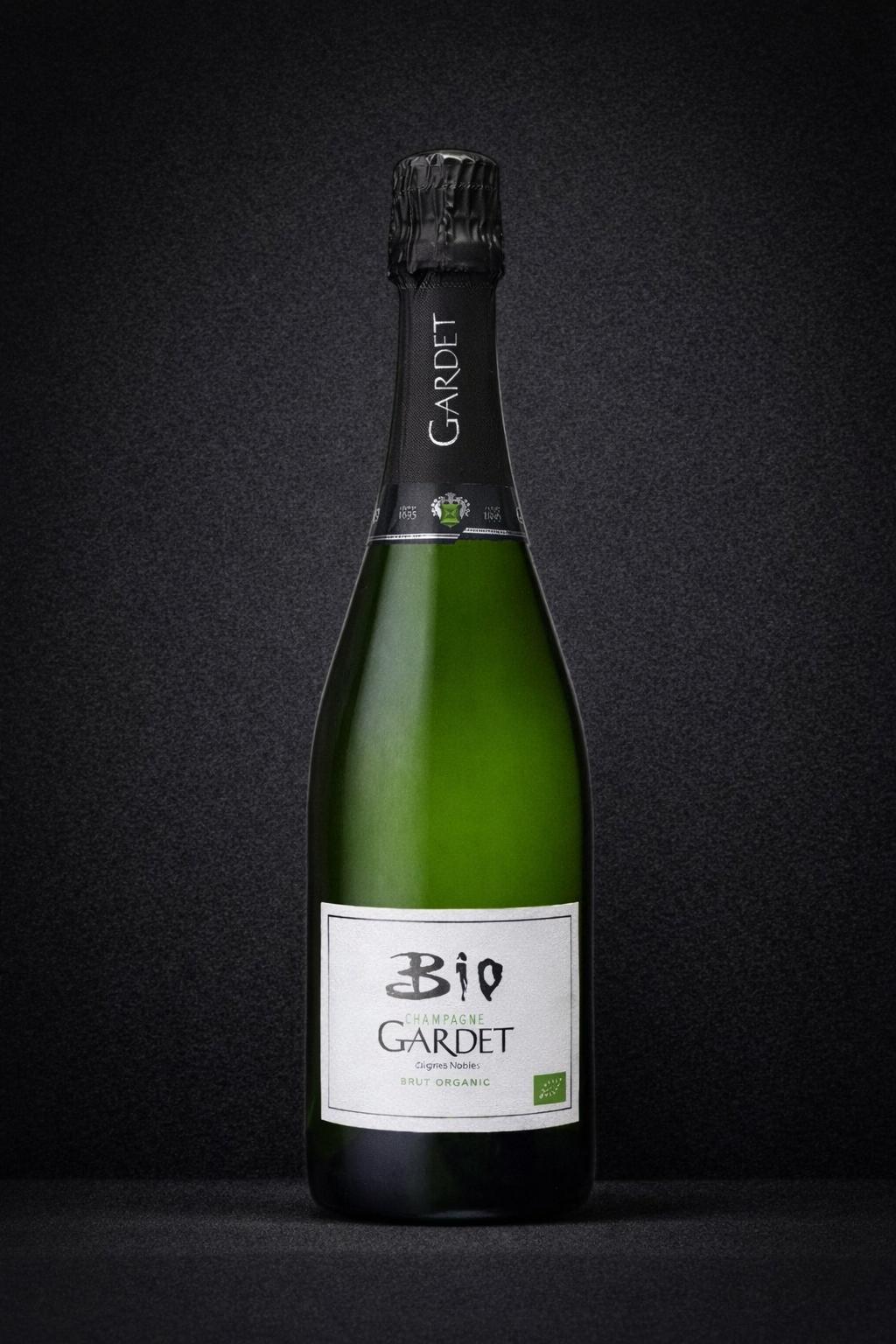
Born from organic viticulture and winemaking, all the soul of Champagne terroirs is found in this Champagne. Respectful of its terroir, it e…
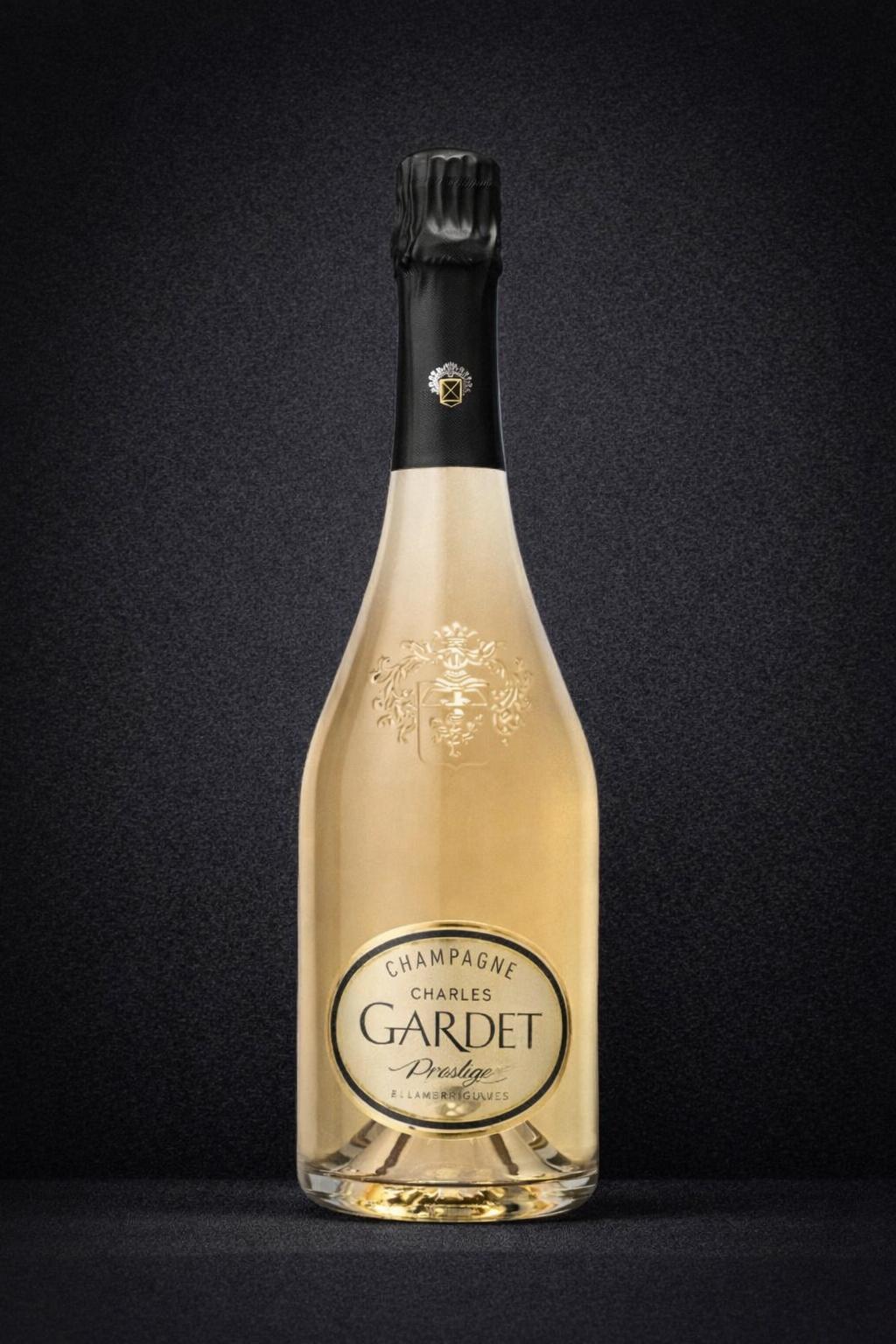
The finest Chardonnays form a unique Solera perpetual reserve. This fine, taut and brilliant Blanc de Blancs expresses smoothness, freshness…
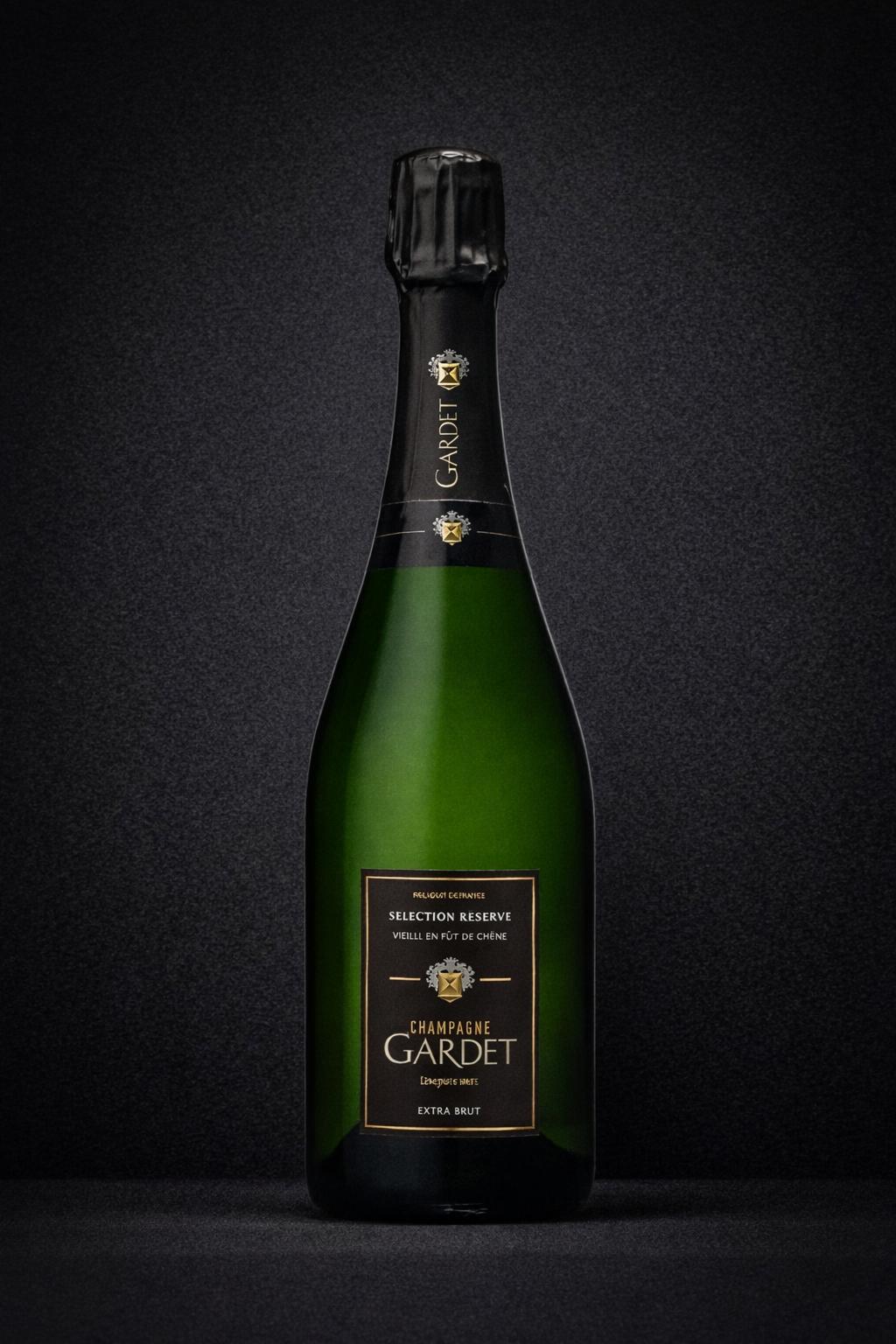
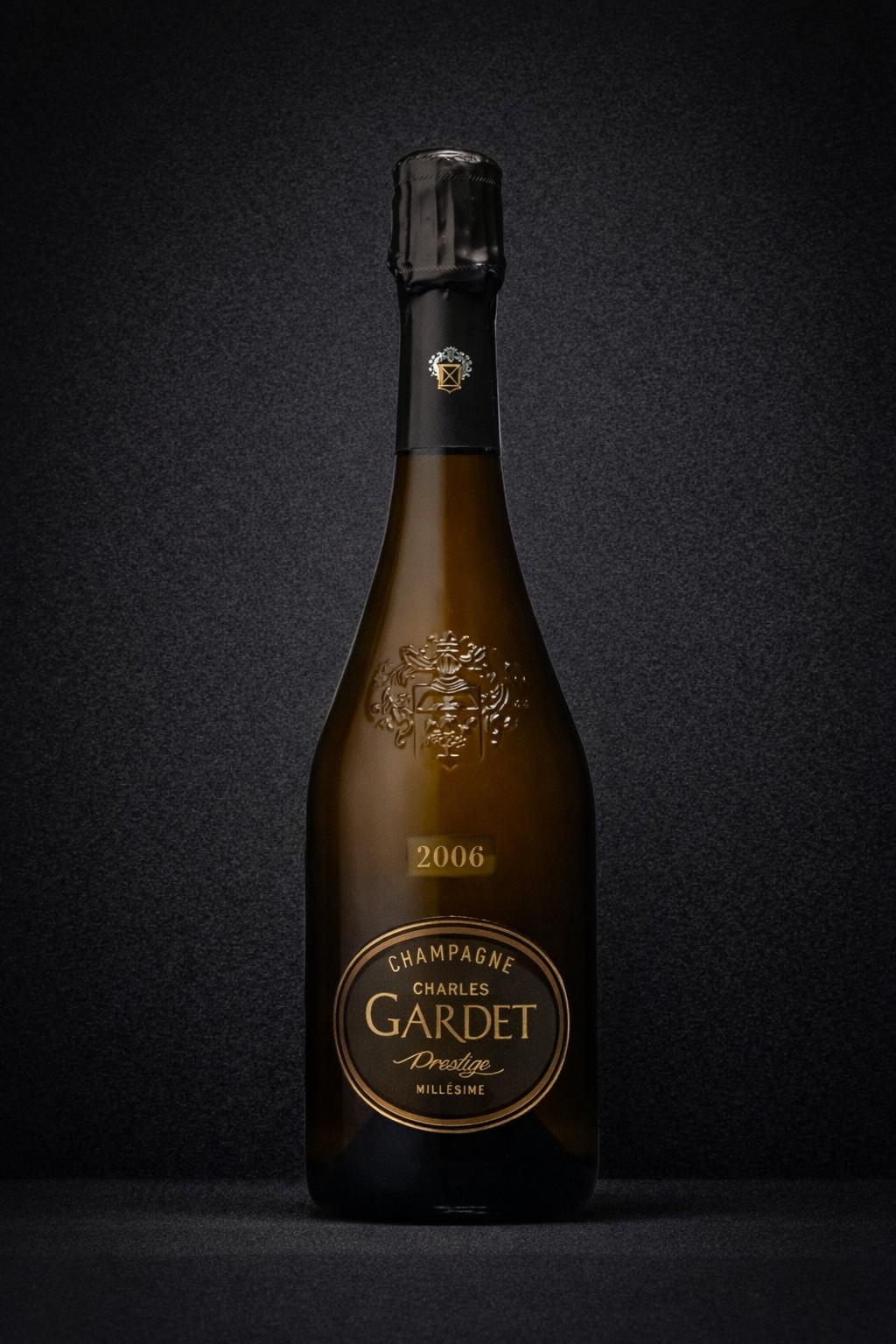
A blend of exceptional wines, brilliant testimony to the House's traditional craftsmanship. This 2006 Vintage expresses itself particularly …
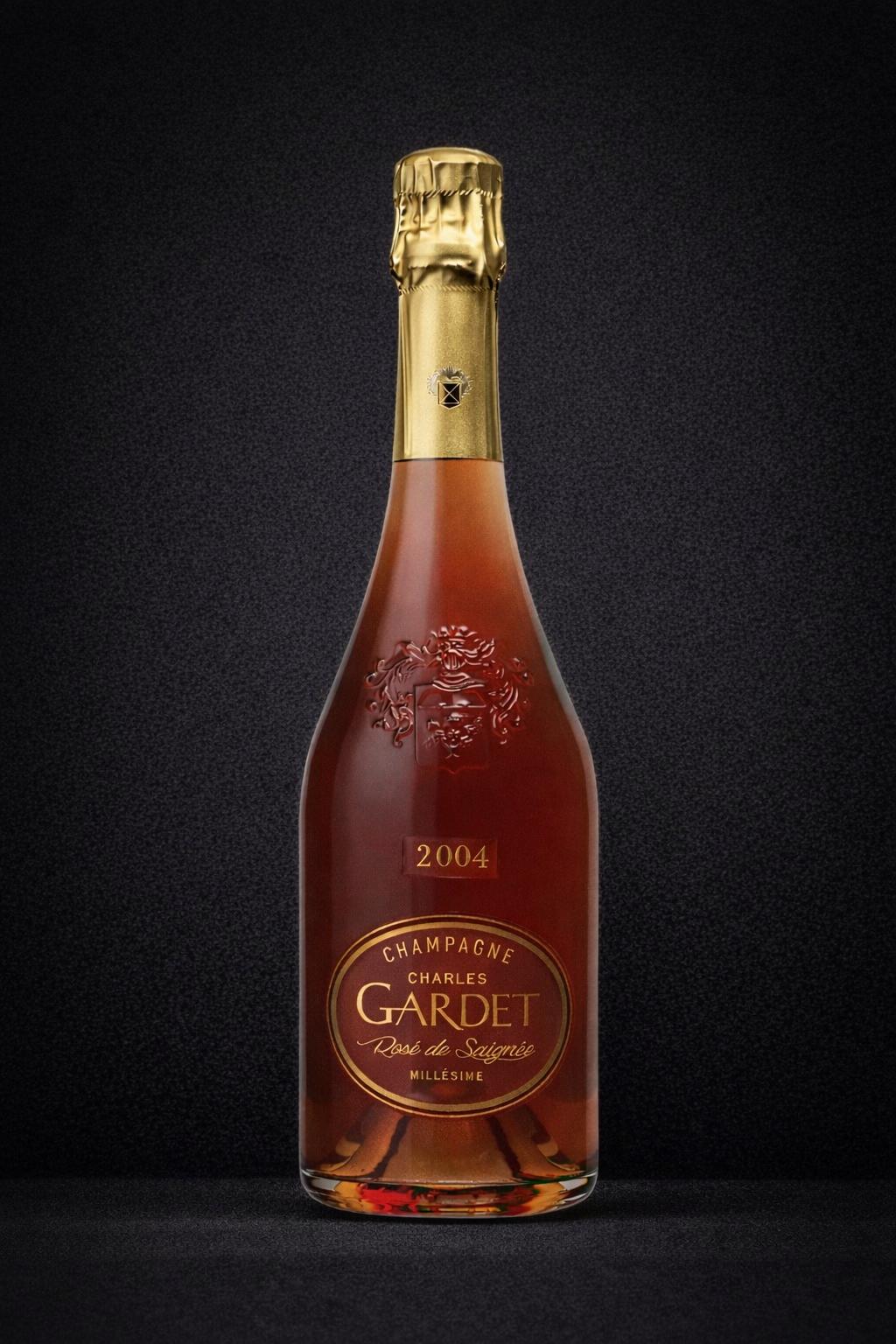
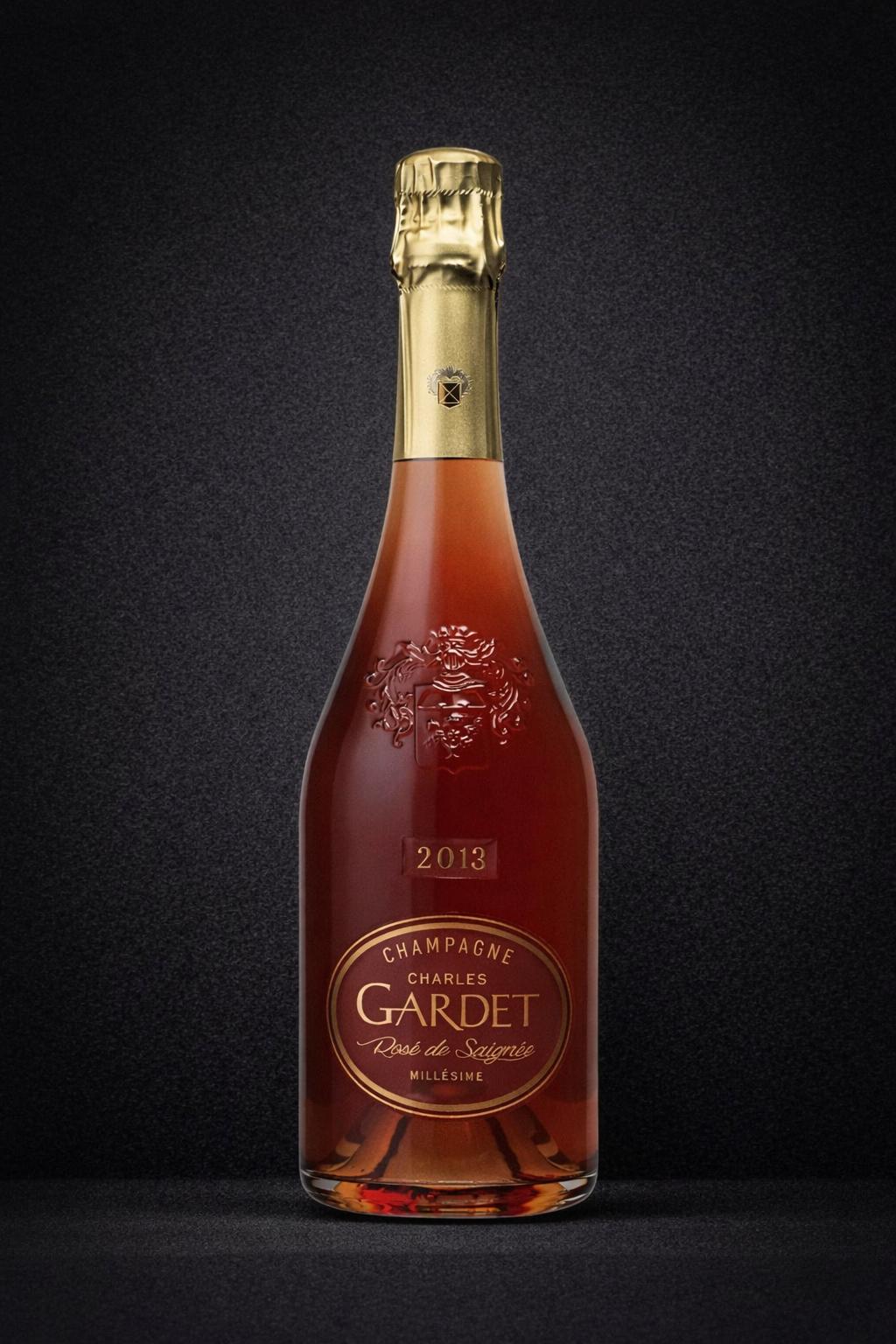
A unique cuvée from Premier Cru vines of Chigny-les-Roses. This saignée expresses itself through its power of red fruits and its deep curran…
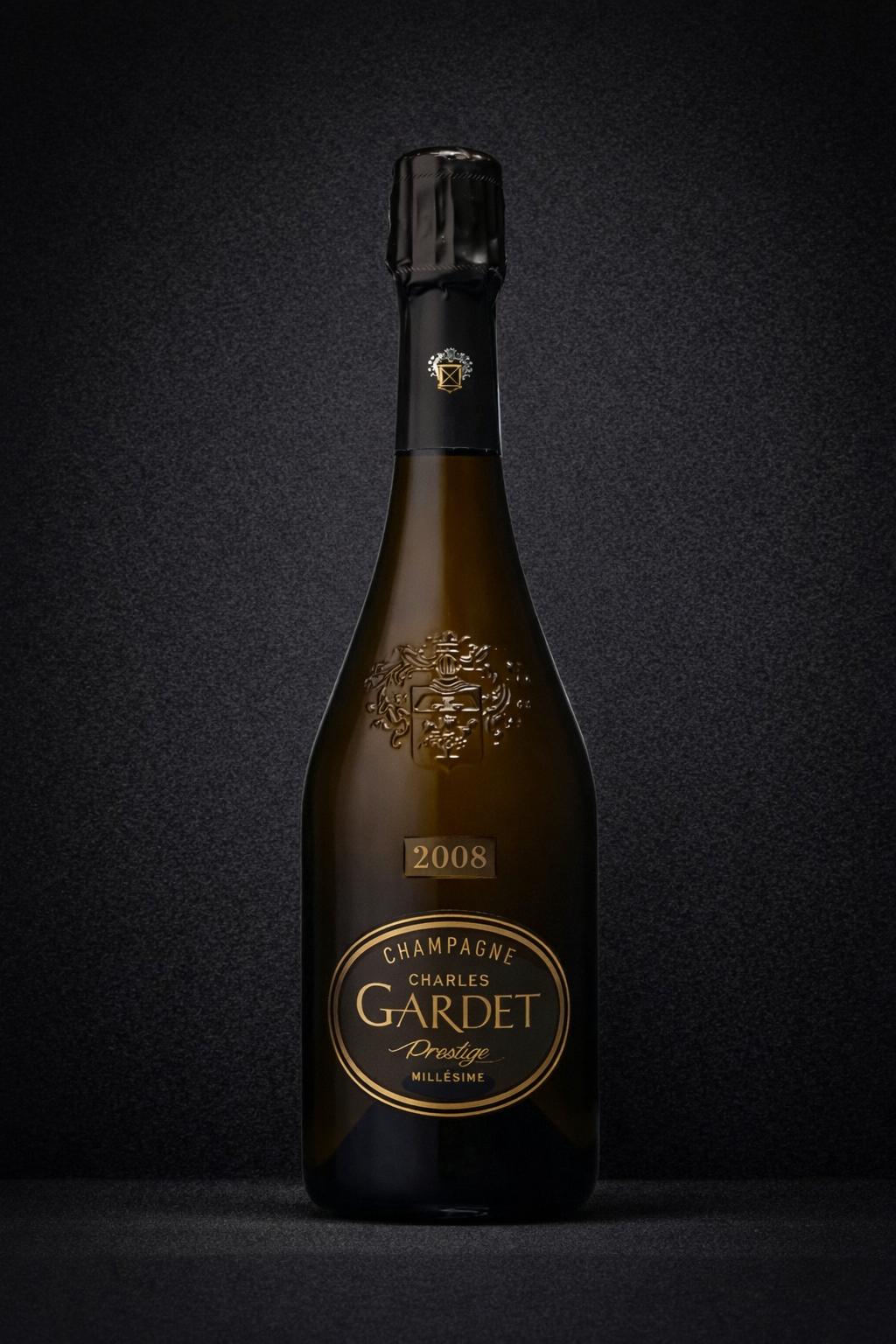
A legendary vintage from a remarkable cool year. Iodine and mineral notes, tangy palate with strong citrus character. Finesse, tension and b…
A wine marked by black grape varieties, representative of the traditional Gardet style. Two-stage maturation: perpetual reserve in century-o…
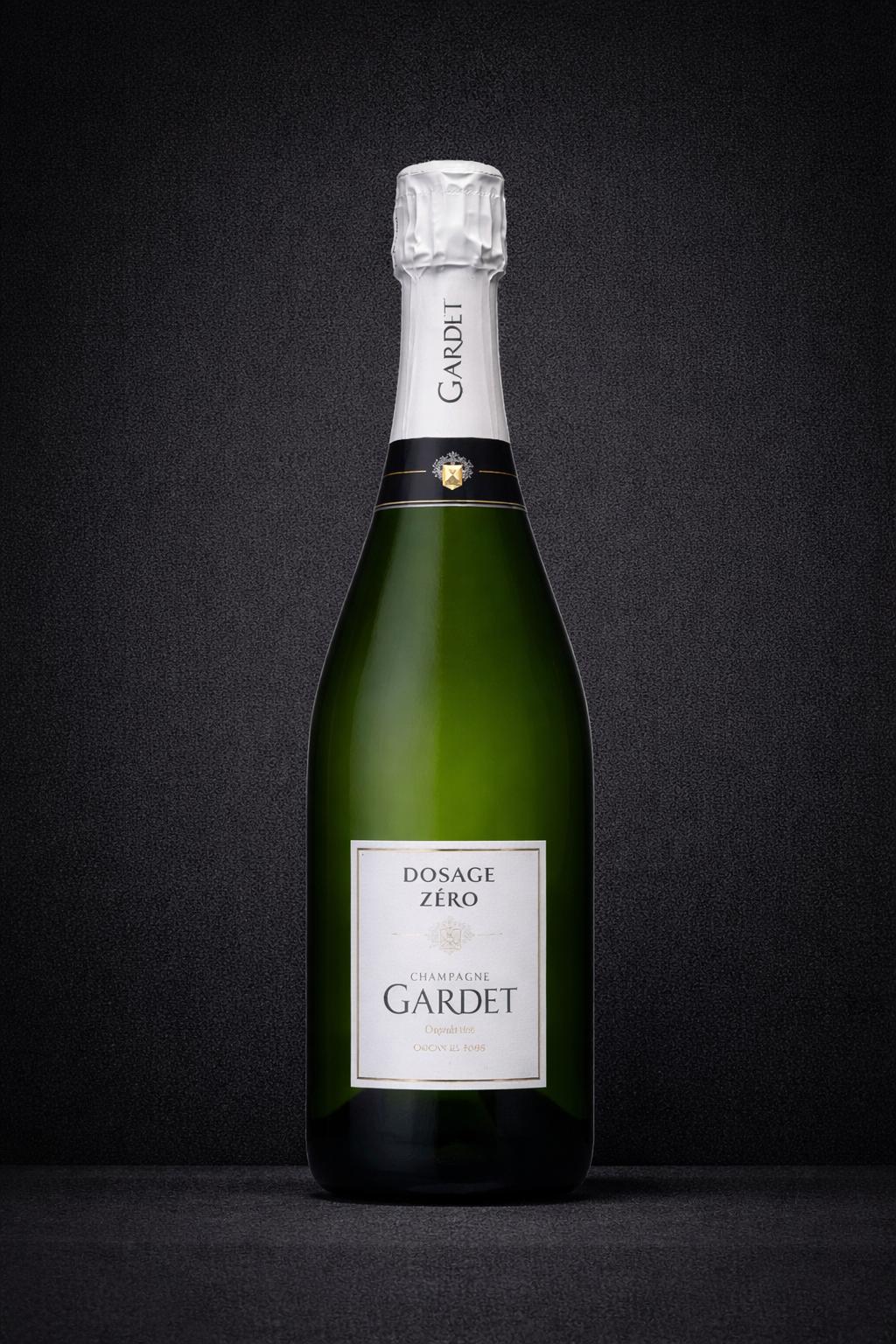
A champagne of pure style and captivating depth. Without any dosage, pure and chiseled like a diamond point. The maturity of reserve wines a…
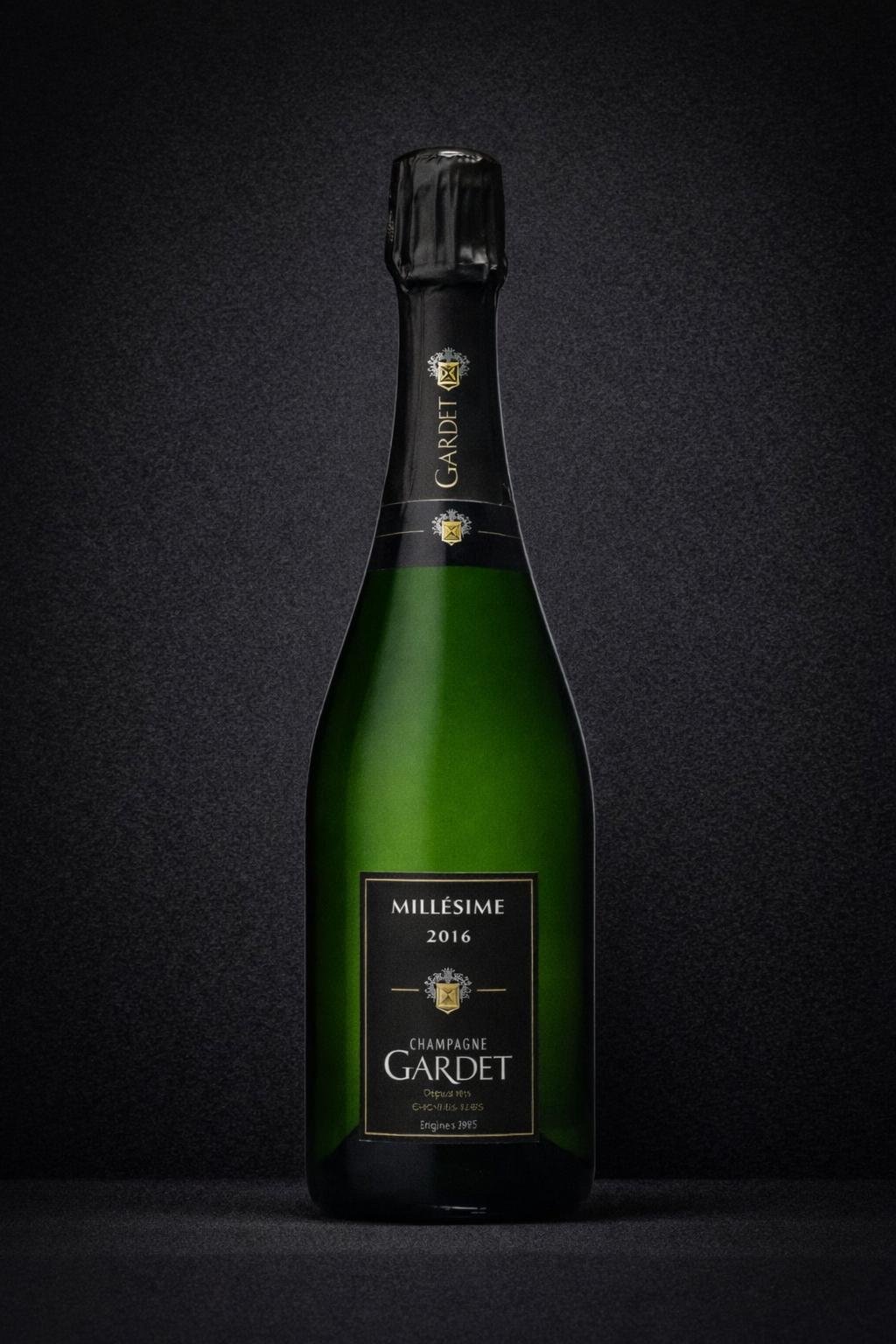
A champagne with a modern and bold style from an atypical year. Black grape varieties explode with fruitiness and indulgence, while Chardonn…
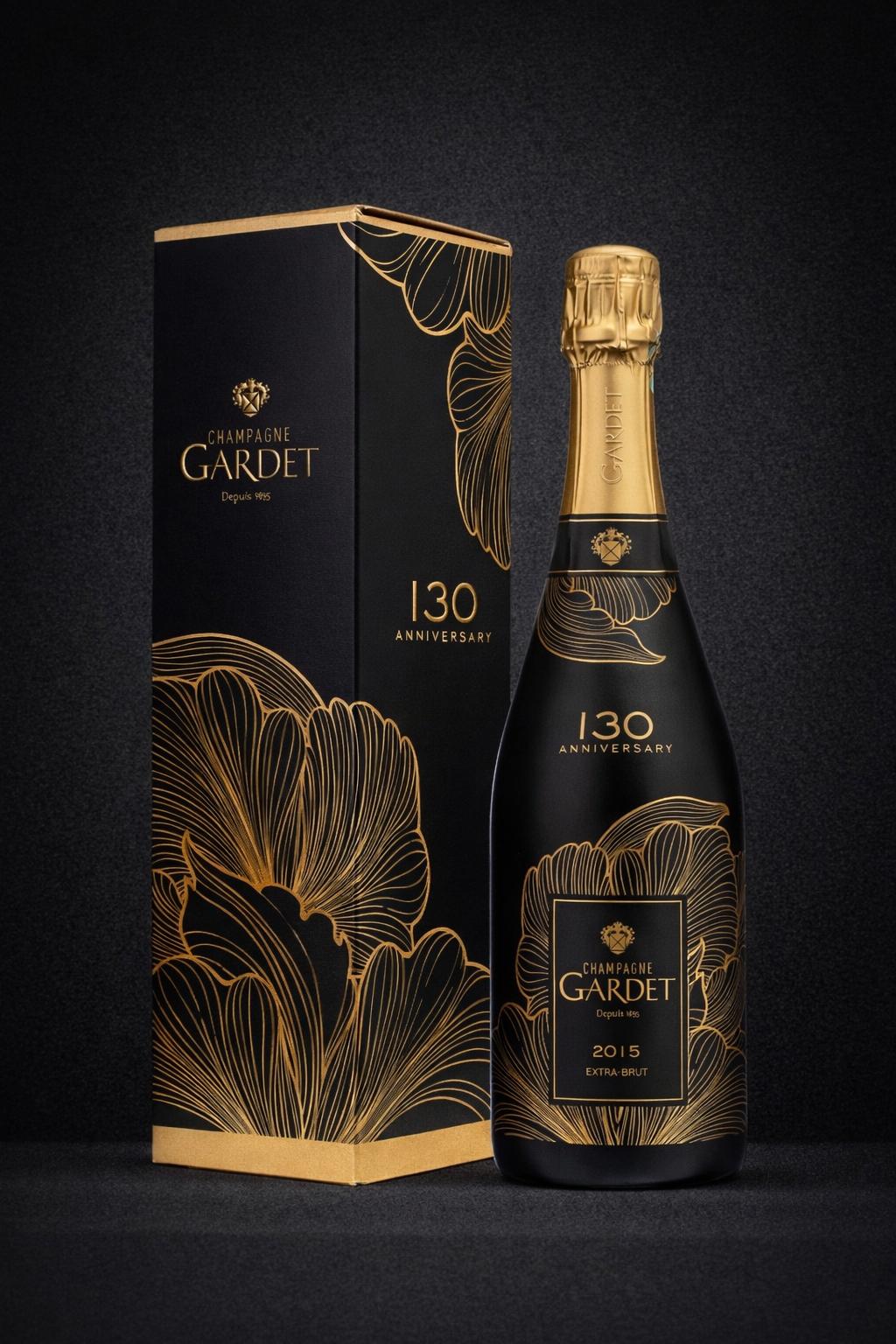
A symbolic cuvée that tells the unique story of the House. A champagne with a modern and bold style, Pinot Noir explodes with fruit and indu…
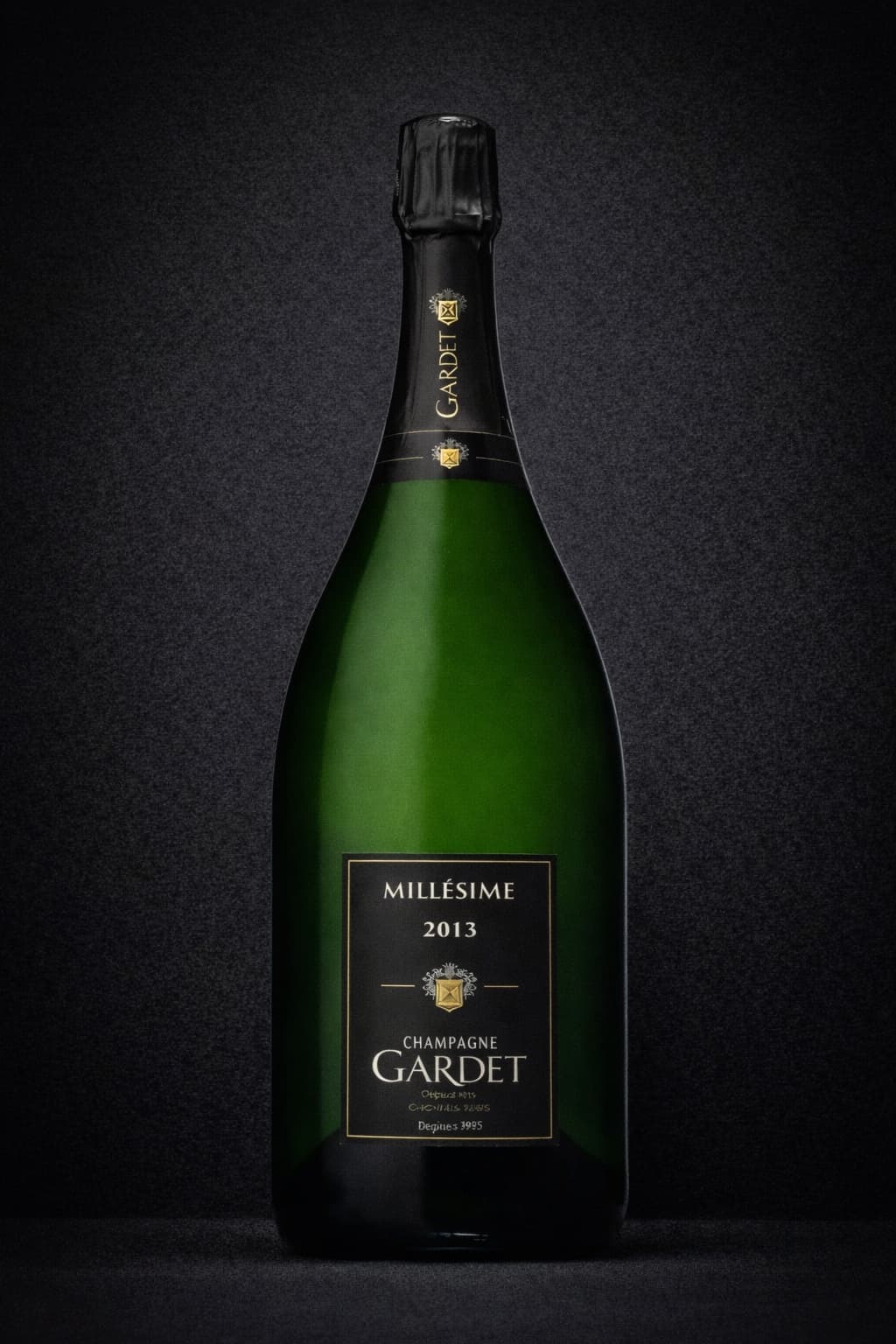
A champagne with a modern and bold style from an typical year. Black grape varieties explode with fruitiness and indulgence, while Chardonna…
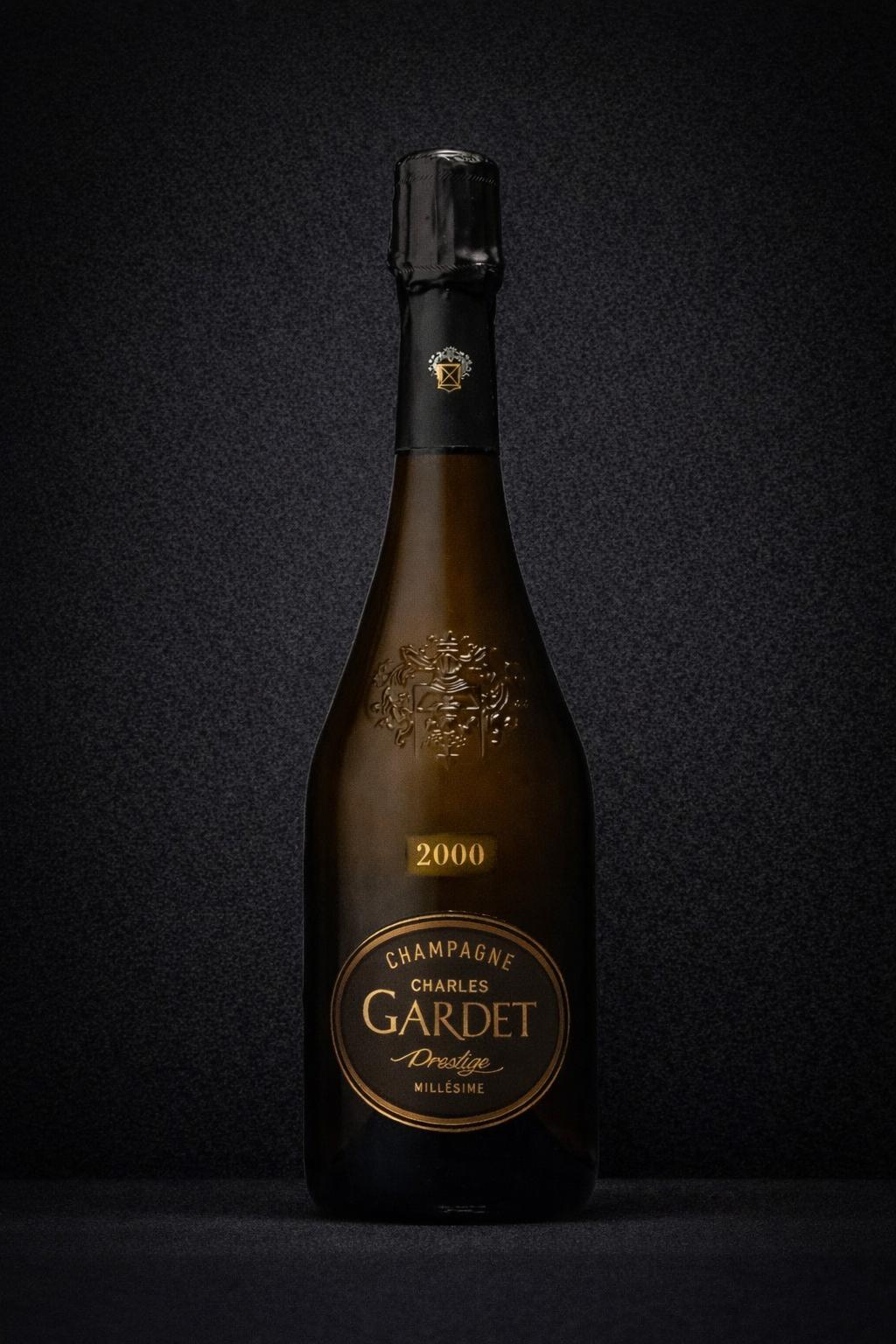
Assemblage of exceptional wines, brilliant testimony to the traditional expertise of the House. This 2000 Vintage expresses itself particula…
Unique cuvée from Premier Cru vineyards of Chigny-les-Roses. This saignée expresses itself through its power in red fruits, its deep rosé wi…