The art of service

The Art of
Champagne

Glass calculator · Service guide · Cuvée selection

GARDET CHAMPAGNE GARDET Since 1895 BRUT TRADITION
The reference bottle
12,5 cl
Volume of the flute
Calculate
Glass calculator

How many flutes will you serve?

Select your bottle format to discover the number of flutes, the ideal occasions and our service tips.

🥂 Number of flutes 6 12.5 cl flutes for 4 to 6 people
👥 Estimated guests Dinner, intimate celebration
📐 Total volume 75 cl = 1 bottle
Representation of the 6 flutes
Bottle
0,75 L · 75 cl

The standard 75cl bottle was born in the 19th century, calibrated to the lung capacity of a glass blower.

💡 The reference format, ideal for preserving the pressure and the aromas.
Volumen 75 cl
Flutes (12,5 cl) 6
Persons 4–6
Occasion Dinner
Bottle equivalent
Planning

How many bottles to order ?

Enter the number of guests and we calculate the ideal quantity for each format.

50
2
Total (cl)
125
Total (L)
1.25
Half bottle
0.375L · 3 flutes
bottle(s)
Bottle
0.75L · 6 flutes
bottle(s)
Magnum
1.5L · 12 flutes
bottle(s)
Jeroboam
3L · 24 flutes
bottle(s)
Methuselah
6L · 48 flutes
bottle(s)
Salmanazar
9L · 72 flutes
bottle(s)
Nebuchadnezzar
15L · 120 flutes
bottle(s)

All formats at a glance

Format Volumen Flutes 12,5cl Persons = Bottles Occasion
Half bottle
0.375 L 3 1–2 people A private one-on-one, intimate pre-dinner drinks
Bottle
0.75 L 6 4–6 people Dinner, intimate celebration
Magnum
1.5 L 12 8–12 people Reception, elegant wedding
Jeroboam
3 L 24 16–24 people Grand banquet, 50 years, golden anniversary
Methuselah
6 L 48 30–50 people Gala, lavish wedding, yacht
Salmanazar
9 L 72 50–70 people 12× Prestige event, VIP evening
Nebuchadnezzar
15 L 120 80–120 people 20× Exceptional evening, spectacle
The art of serving

Serving Temperature

The right temperature reveals the full complexity and finesse of each cuvée.

❄️
Non-vintage Brut
8–10°C

Chill for 3 hours in the fridge or 30 minutes in an ice bucket

🌸
Rosé
8–10°C

Slightly cooler than whites to preserve freshness

🏆
Vintage
10–12°C

One degree more reveals complexity and tertiary aromas

🍋
Blanc de Blancs
8–9°C

The coldest: enhances the minerality and liveliness of the Chardonnay

🍇
Blanc de Noirs
10–12°C

Slightly tempered to reveal structure and red fruit notes

🧊 Chilling

Ideal method: bucket with ice + cold water + salt (speeds up chilling). Allow 20–30 minutes. Never in the freezer: the bubbles disappear and the bottle risks bursting.

🥂 Which glass to choose?

The flute (12.5 cl) concentrates the aromas and preserves the bubbles. The tulip glass is the modern choice of sommeliers. Avoid the coupe: too wide, it releases the aromas and effervescence too quickly.

🍾 The opening

Tilt the bottle at 45°. Remove the cage by turning it 6 times. Hold the cork and turn the bottle, not the cork. Goal: a sigh, not a pop. The champagne must never gush.

Gastronomy

Food Pairing & Champagne

Champagne, the only wine capable of accompanying an entire meal from start to finish.

Light Starters
Salmon tartare
Blinis with caviar
Oysters
Pan-seared scallops
Fish & Seafood
Grilled lobster
Sole meunière
Langoustines
Royal sea bream
Aged Cheeses
36-month Comté
Époisses
Brie de Meaux
Chaource
Desserts
Tarte tatin
Wild strawberries
White chocolate soufflé
Macarons
Aperitif
Amuse-bouches
Mini quiches
Gougères
Puff pastry bites
« Come quickly, I am drinking stars. »
— Dom Pérignon, Benedictine monk, father of champagne
Questions & Answers

Everything you need to know about champagne

The answers to the most frequently asked questions from our clients and enthusiasts.

🥂 100 questions & answers · Complete guide

A standard champagne flute holds 12.5cl. A 75cl bottle therefore provides 6 flutes. Always allow a little extra for top-ups during the evening.

The Magnum (12 glasses) is ideal for tables of 8 to 10 people. For greater impact, opt for the Jeroboam (24 glasses), which creates a remarkable visual effect during service.

Use an airtight champagne stopper. An opened bottle keeps for 2 to 3 days in the fridge. Larger bottles (Magnum and above) retain their effervescence better thanks to a more favourable liquid-to-surface ratio.

Absolutely not. Keep the bottle upright and at rest for at least 24 hours before serving. Hold it at 45° for opening, gently turn the cork (not the bottle) while holding back the pressure.

The flute preserves the bubbles and concentrates the aromas. The coupe (said to have been modelled on the breast of Marie-Antoinette) allows the aromas to escape too quickly. The tulip glass is today the sommelier's choice: it combines bubble preservation with aromatic expression.

It is the bottle fermentation process that creates the bubbles naturally. After the first fermentation, a liqueur de tirage (sugar + yeasts) is added, triggering a second fermentation in the bottle. The lees remain during the minimum legal ageing period (15 months for a non-vintage, 36 months for a vintage).

The dosage (g/L of sugar) defines the category: Brut Nature (0–3 g/L), Extra-Brut (0–6 g/L), Brut (< 12 g/L), Extra-Dry (12–17 g/L), Sec (17–32 g/L), Demi-Sec (32–50 g/L). The lower the dosage, the more direct the expression of the terroir.

Glossary

Champagne Lexicon

The essential terms to talk champagne with the ease of a sommelier.

Assemblage
The art of blending wines from different grape varieties, years and villages to create a coherent cuvée and the expression of the house.
Cuvée
The first juice obtained by pressing the grapes (2050L/4000kg). The finest and most delicate, it produces the best champagnes.
Taille
Juice obtained after the cuvée during pressing. More coloured and less fine, used for blending or as base wines.
Disgorgement
The operation of removing the yeast deposit after riddling. The bottle is inverted and the temporary crown cap ejects the frozen lees.
Dosage
The addition of the expedition liqueur (sugar + aged wine) after disgorgement to define the style of champagne (Brut, Dry, Semi-Dry...).
Tirage
The bottling of the base wine with the addition of the tirage liqueur, triggering the secondary fermentation and the formation of bubbles.
Riddling
The progressive rotation of the bottles (on a riddling rack or gyropalette) to concentrate the lees towards the neck before disgorgement.
Reserve wines
Wines from previous vintages kept by the houses to maintain the continuity of style of the non-vintage cuvée from one year to the next.
Blanc de Blancs
Champagne made exclusively from white grapes (Chardonnay). Characterised by its freshness, minerality and floral elegance.
Blanc de Noirs
White champagne made from black grapes (Pinot Noir and/or Meunier). More structured, with notes of red fruit and spice.
Prestige
A house's top-of-the-range cuvée, often vintage, from the finest terroirs and plots. The ultimate expression of expertise.
Méthode Champenoise
Also known as the traditional method. A technique of re-fermentation in the bottle to create bubbles naturally. Reserved exclusively for champagne in France.

Dosage Guide

Appellation Residual sugar Profile Recommended pairings Audience
Brut Nature / Zero Dosage 0–3 g/L Mineral, pure, acidic Oysters, raw fish, seafood Experts, purists
Extra-Brut 0–6 g/L Dry, vivid, assertive terroir Tartares, sushi, fresh cheeses Connoisseurs
Brut < 12 g/L Fresh, balanced, versatile Aperitif, fish, poultry The most consumed
Extra-Dry 12–17 g/L Slightly sweet, rounded Light desserts, fresh fruit Casual, festive
Sec 17–32 g/L Off-dry, fruity Foie gras, fruity desserts General public
Demi-Sec 32–50 g/L Sweet, indulgent Pastries, white chocolate, fruit Desserts, digestif
Doux > 50 g/L Very sweet, rare Weddings, elaborate desserts Rare, collector
Test your knowledge

Sommelier Quiz

6 questions to measure your level in the art of champagne. From the amateur to the great connoisseur.

1 / 6 Score : 0
Heritage

The History of Champagne

Centuries of excellence, innovation and celebration.

1670
Dom Pérignon
The Benedictine monk of the Abbey of Hautvillers perfects the method of re-fermentation in the bottle and exclaims: "I am drinking stars!"
1729
First Champagne House
Ruinart, founded in Reims, officially becomes the first champagne house in history.
1811
The Comet
The 1811 vintage, known as "the Comet vintage", is considered one of the greatest in history. A brilliant comet crosses the skies of Champagne.
1844
Invention of the muselet
Adolphe Jaquesson invents the muselet, the cork and the wire cage to maintain pressure. The modern bottle is born.
1870
Veuve Clicquot invents riddling
Barbe-Nicole Clicquot invents the riddling rack, a technique for eliminating fermentation deposits. A revolution in clarification.
1895
Creation of Maison Champagne Gardet
Charles Gardet founds Maison Champagne Gardet in Chigny-les-Roses, in the heart of the Montagne de Reims. An expertise passed down for over a century, combining tradition and artisanal excellence.
1927
Protected appellation
The decree of 22 July 1927 officially delimits the geographical zone of the Champagne Appellation d'Origine Contrôlée.
1990
The globalisation of champagne
Champagne becomes the universal symbol of celebration. More than 300 million bottles are produced annually in the region.
2015
UNESCO
The Champagne Hillsides, Houses and Cellars are inscribed on the UNESCO World Heritage List, the ultimate recognition of an exceptional terroir.
In numbers

Champagne worldwide

0
million
bottles/year
0
500 ha
AOC surface area
0
houses
active négociants
0
countries
export destinations
🌍 Top export markets
United Kingdom 35M
United States 28M
Japan 15M
Germany 10M
Belgium 8M
Australia 4M
🍇 The 3 king grape varieties
Pinot Noir 38%
Body, structure, red fruits
Chardonnay 32%
Freshness, minerality, florality
Pinot Meunier 30%
Roundness, fruit, accessibility
Preservation

The art of Conservation

The secrets to preserving your bottles in the best possible conditions.

🌡️
Temperature
Ideally 10–12°C, constant. Avoid sudden variations greater than 5°C. A wine cellar is perfect. The refrigerator (4°C) is suitable for the short term but dries out the cork over time.
🌑
Darkness
Champagne is sensitive to light, particularly UV rays. Light denatures the aromas and causes "light strike". Always store away from natural and artificial light.
💧
Humidity
60–80% humidity. Air that is too dry dries out the cork and causes leaks. Too humid: mould on the labels. A moderate level is ideal.
🔇
Vibrations
Avoid any vibrating appliances nearby (refrigerator, washing machine, busy road). Vibrations disturb the natural sediment and accelerate premature ageing.
↔️
Position
On its side, cork in contact with the liquid. This keeps the cork moist and swollen for a perfect seal. Exception: bottles with a screw cap — upright is acceptable.
📅
Duration
Non-vintage: 3–5 years. Vintage: 5–15 years depending on the cuvée. Prestige: up to 20–30 years. Larger bottles (Magnum+) age more slowly and last longer.
⚖️
Protected Designation of Origin

The term "Champagne" is protected by French and European law. Only sparkling wines produced in the delimited region of Champagne (Marne, Aube, Aisne, Seine-et-Marne, Haute-Marne) according to the méthode champenoise may legally bear this name. Any other use constitutes counterfeiting and is liable to legal proceedings.

🇫🇷 AOC since 1927 🇪🇺 European PDO 🌍 250+ protected countries
Our selection

Ready to order?

Discover our selection of exceptional cuvées. Careful delivery, premium packaging, personalised service.

🍾 View the cuvées 🧮 Calculator Quote request
Our selection

Our Cuvées

Exceptional champagnes, carefully selected for every occasion.
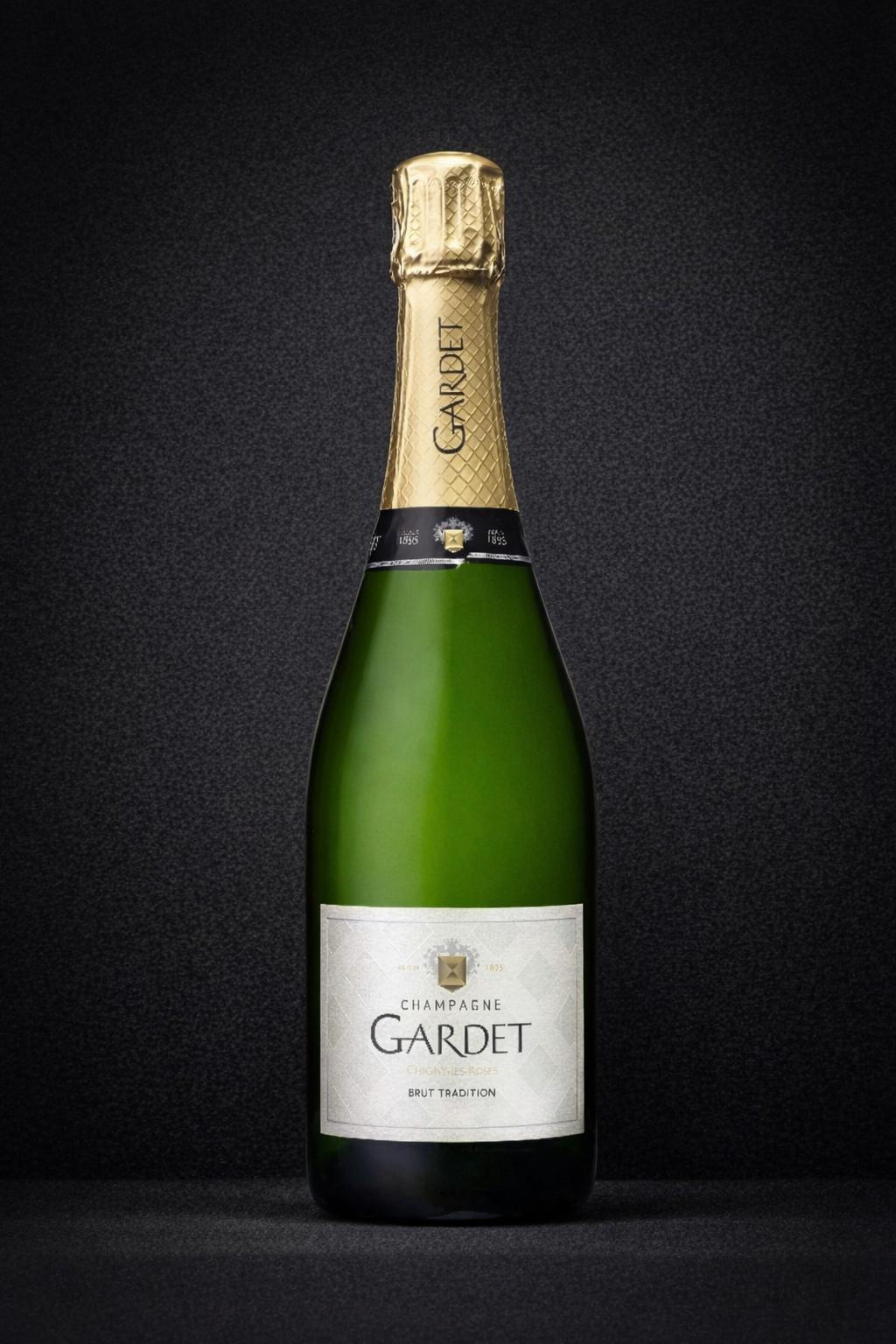
Champagne Gardet Brut Tradition
BRUT
In stock
Balance, Freshness and Elegance

Champagne Gardet Brut Tradition

A Champagne of immediate elegance, precise and perfectly balanced. Freshness, finesse and consistency unite to offer a reliable, refined and…
Grape varieties Pinot Noir, Pinot Meunier, Chardonnay
Dosage 8.00 g/L
Serving temperature 6–8°C
Origin La Montagne de Reims, Champagne – France
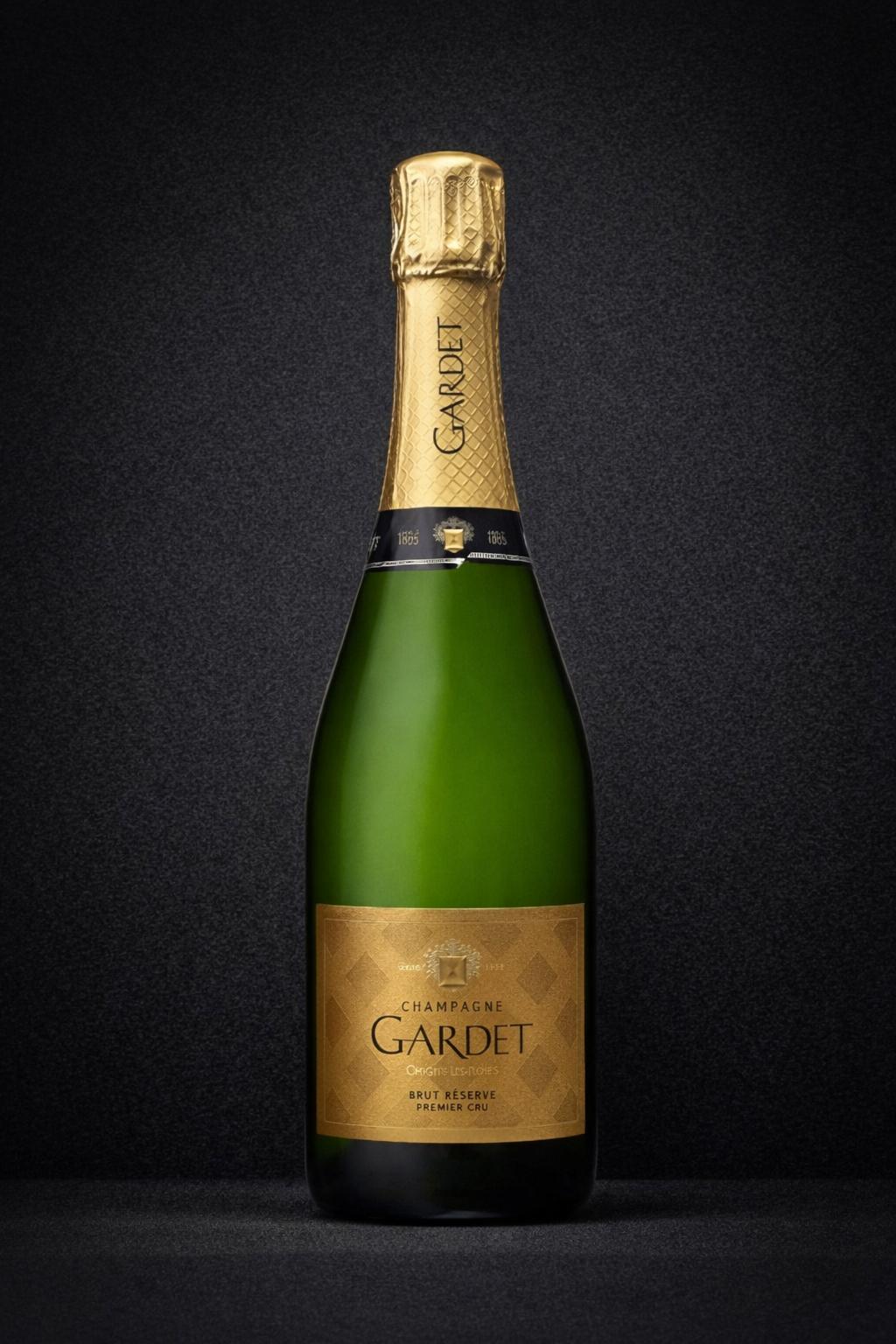
Champagne Gardet Brut Réserve Premier Cru
BRUT
In stock
Structure, Finesse and Complexity

Champagne Gardet Brut Réserve Premier Cru

The perfect balance of three grape varieties, partially aged in century-old oak casks. Six years of patience reveal an elegant and distincti…
Grape varieties Pinot Noir, Pinot Meunier, Chardonnay
Dosage 6.00 g/L
Serving temperature 8–10°C
Origin La Montagne de Reims, Champagne – France
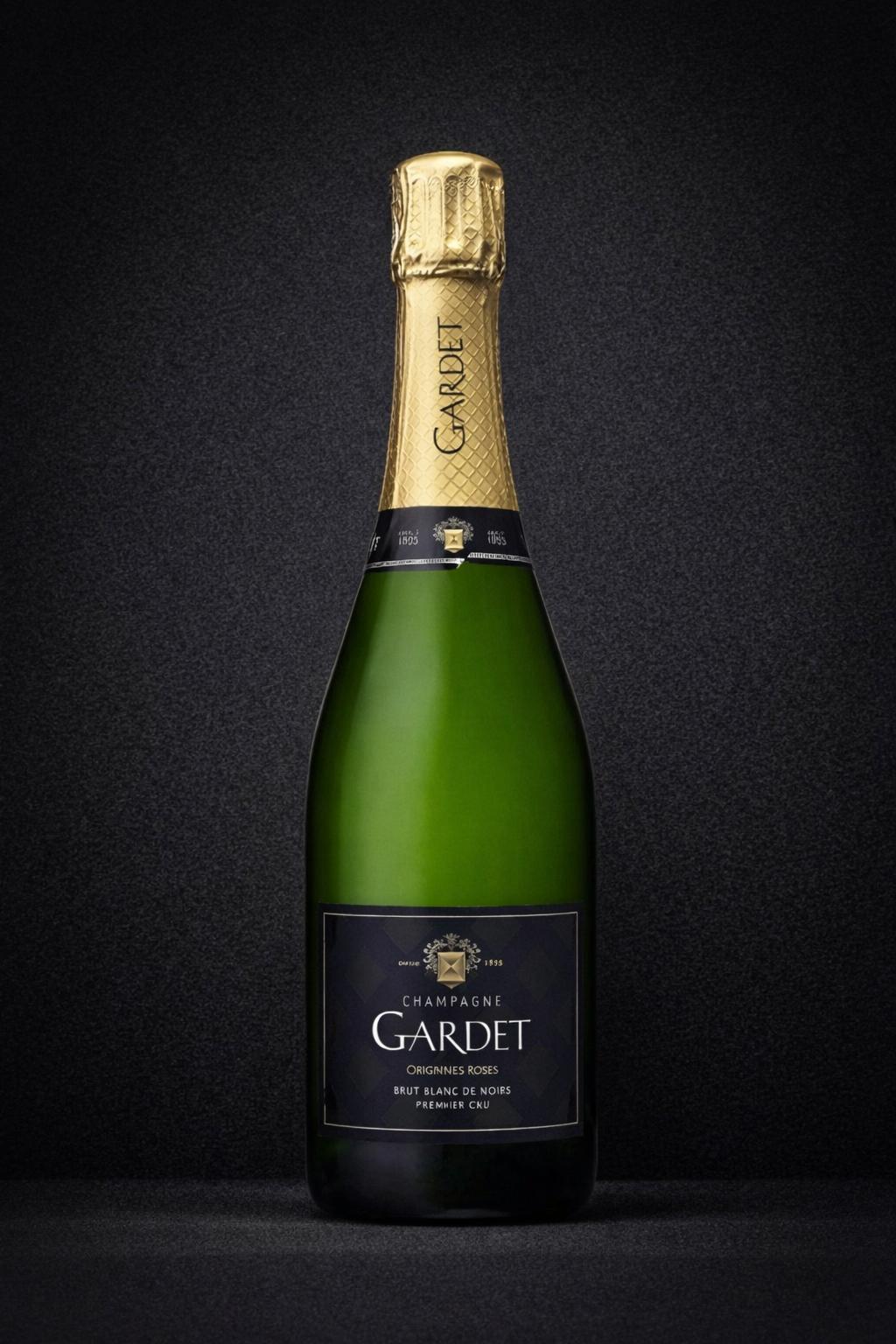
Champagne Gardet Brut Blanc de noirs Premier Cru
BRUT
In stock
Precision, Power and Character

Champagne Gardet Brut Blanc de noirs Premier Cru

A Premier Cru with a distinctive signature, combining freshness and the elegance of noble birth. Exclusively from Hautvillers, the birthplac…
Grape varieties Pinot Noir, Pinot Meunier
Dosage 8.00 g/L
Serving temperature 6–8°C
Origin Vallée de la Marne, Champagne – France
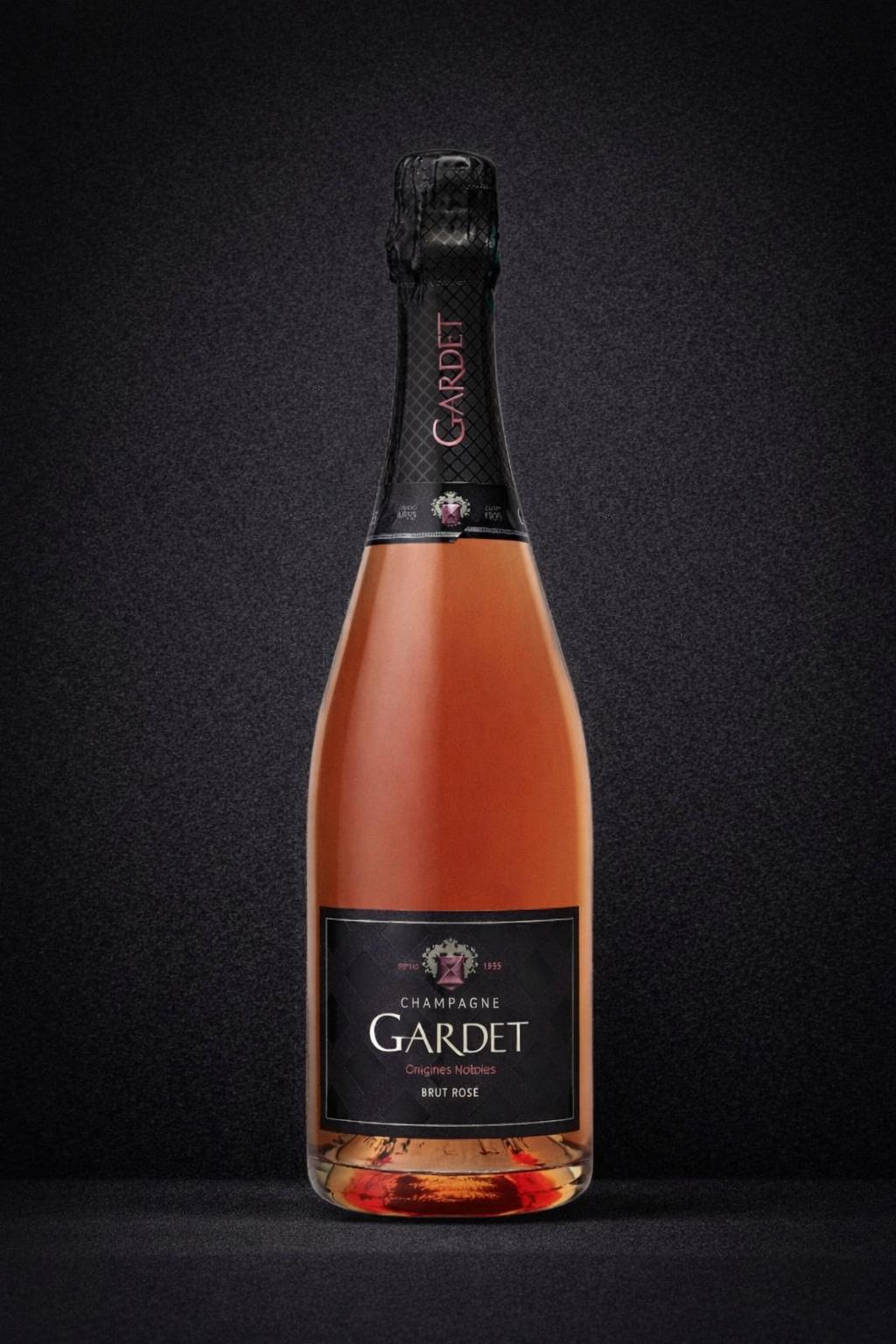
Champagne Gardet Brut Rosé
BRUT
In stock
Femininity, Freshness and Harmony

Champagne Gardet Brut Rosé

An exemplary assemblage Rosé, caressing and fresh, aromatic without excess. Between naturalness and simplicity, elegance and femininity, its…
Grape varieties Pinot Noir, Pinot Meunier, Chardonnay
Dosage 8.00 g/L
Serving temperature 6–8°C
Origin La Montagne de Reims, Champagne – France
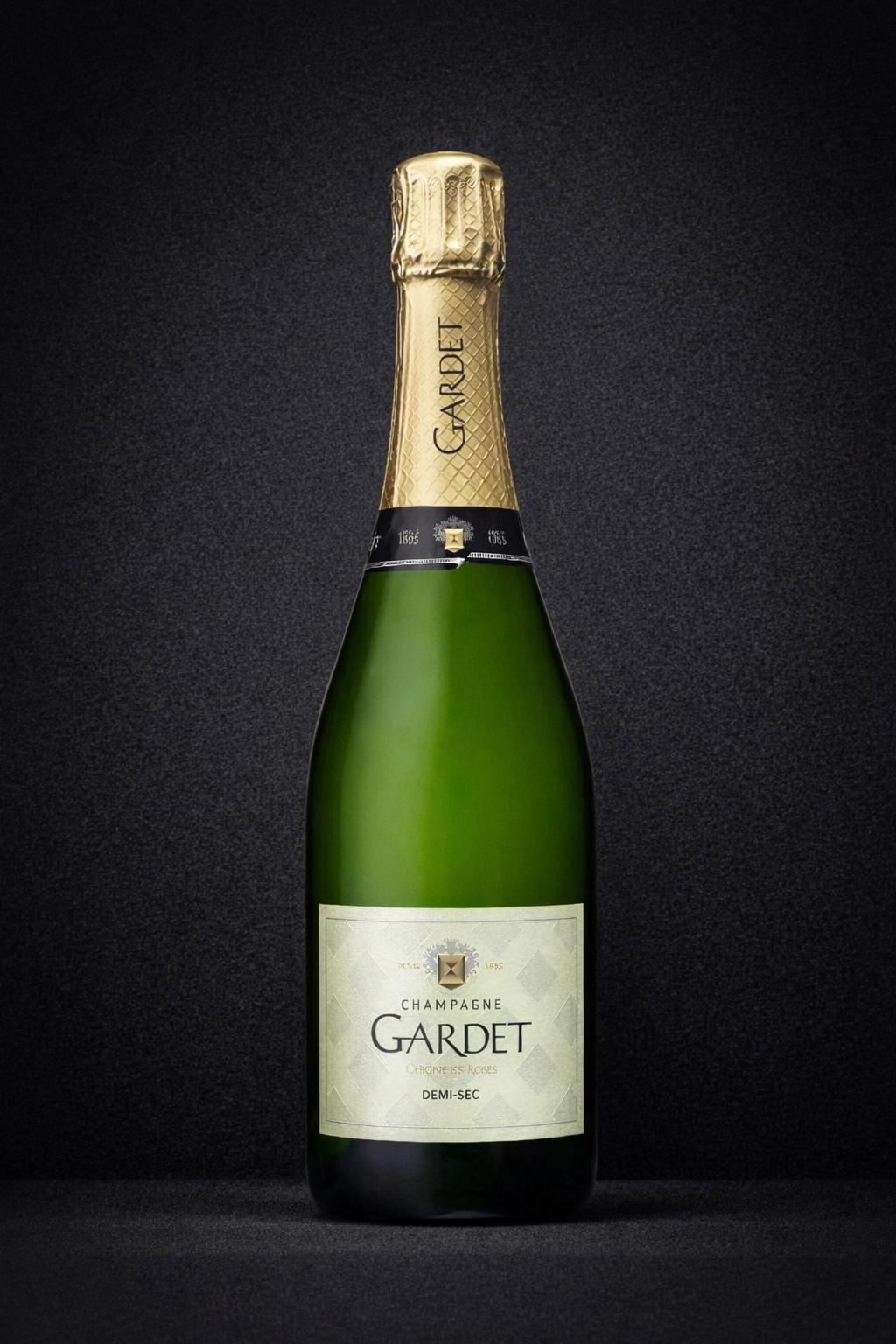
Champagne Gardet Demi-sec
BRUT
In stock
Sweetness, Richness and Indulgence

Champagne Gardet Demi-sec

A dosed version of Brut Tradition, reserved for lovers of smooth and sweet wines. It reveals all its richness with desserts, combining fruit…
Grape varieties Pinot Noir, Pinot Meunier, Chardonnay
Dosage 36.00 g/L
Serving temperature 6–8°C
Origin La Montagne de Reims, Champagne – France
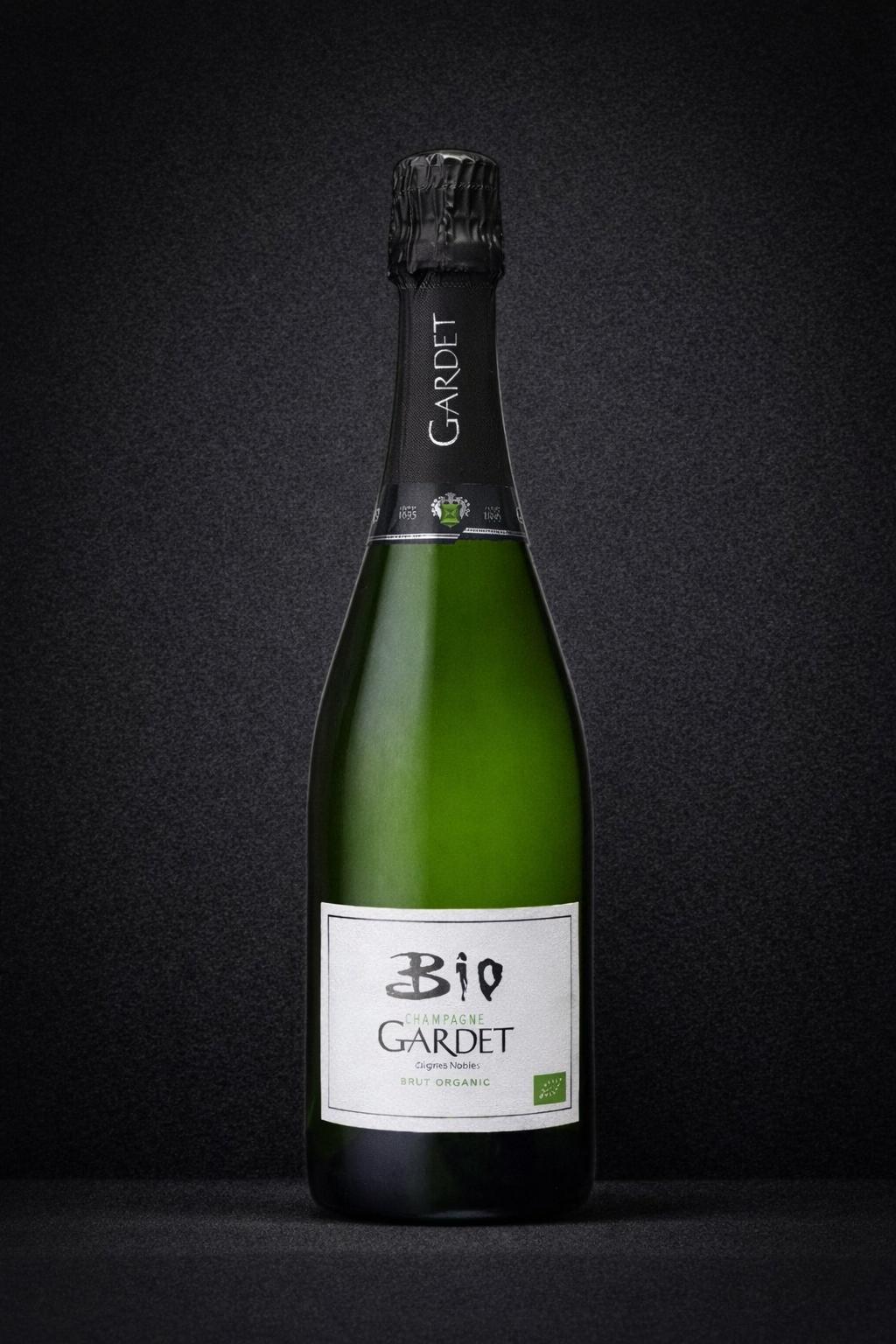
Champagne Gardet Brut Organic (Bio)
BRUT
In stock
Purity, Terroir and Authenticity

Champagne Gardet Brut Organic (Bio)

Born from organic viticulture and winemaking, all the soul of Champagne terroirs is found in this Champagne. Respectful of its terroir, it e…
Grape varieties Pinot Noir, Pinot Meunier, Chardonnay
Dosage 7.00 g/L
Serving temperature 6–8°C
Origin La Montagne de Reims, Champagne – France
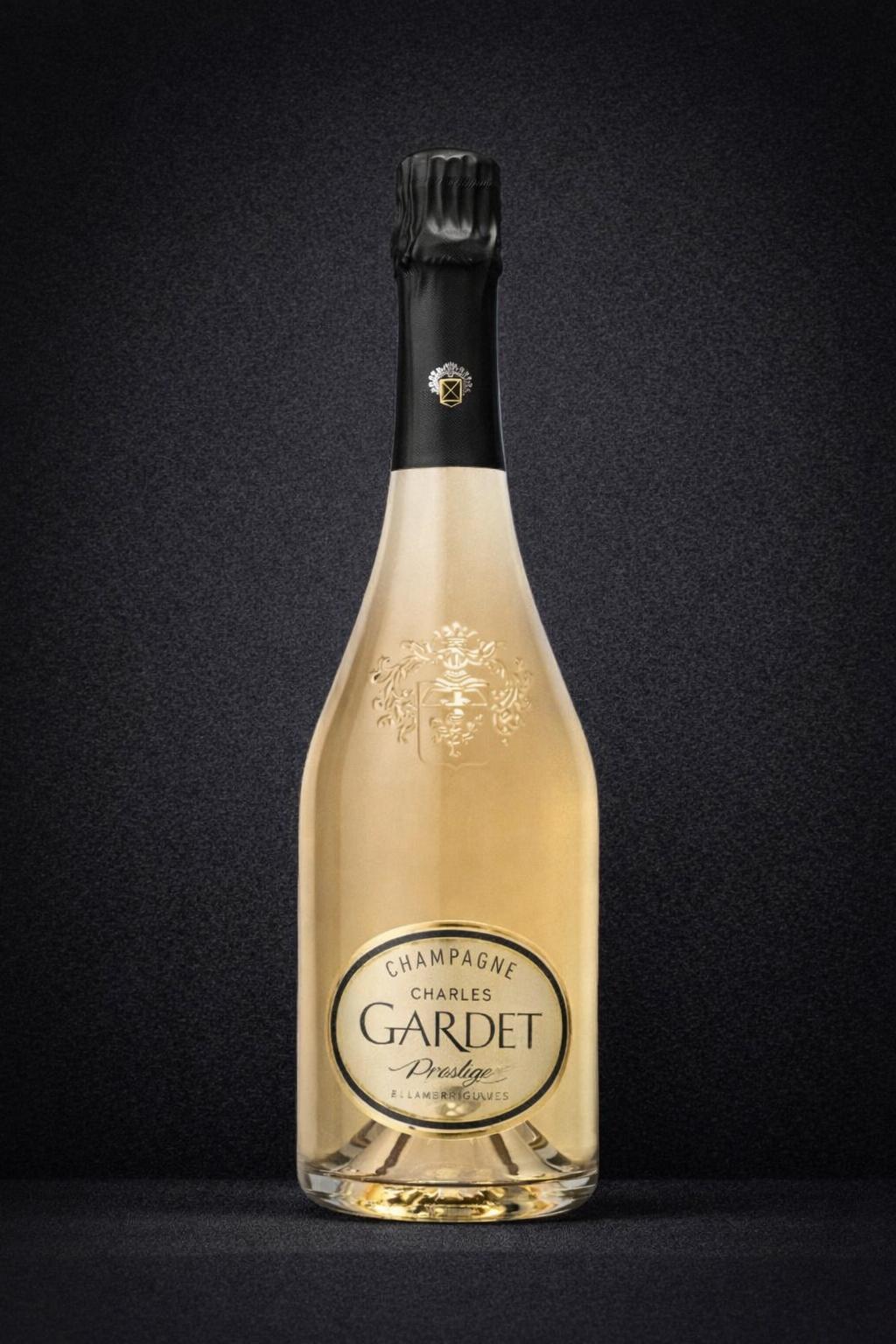
Champagne Prestige Charles Gardet Blanc de Blancs
PRESTIGE
In stock
Finesse, Tension and Brilliance

Champagne Prestige Charles Gardet Blanc de Blancs

The finest Chardonnays form a unique Solera perpetual reserve. This fine, taut and brilliant Blanc de Blancs expresses smoothness, freshness…
Grape varieties Chardonnay
Dosage 6.00 g/L
Serving temperature 6–8°C
Origin La Montagne de Reims, Champagne – France
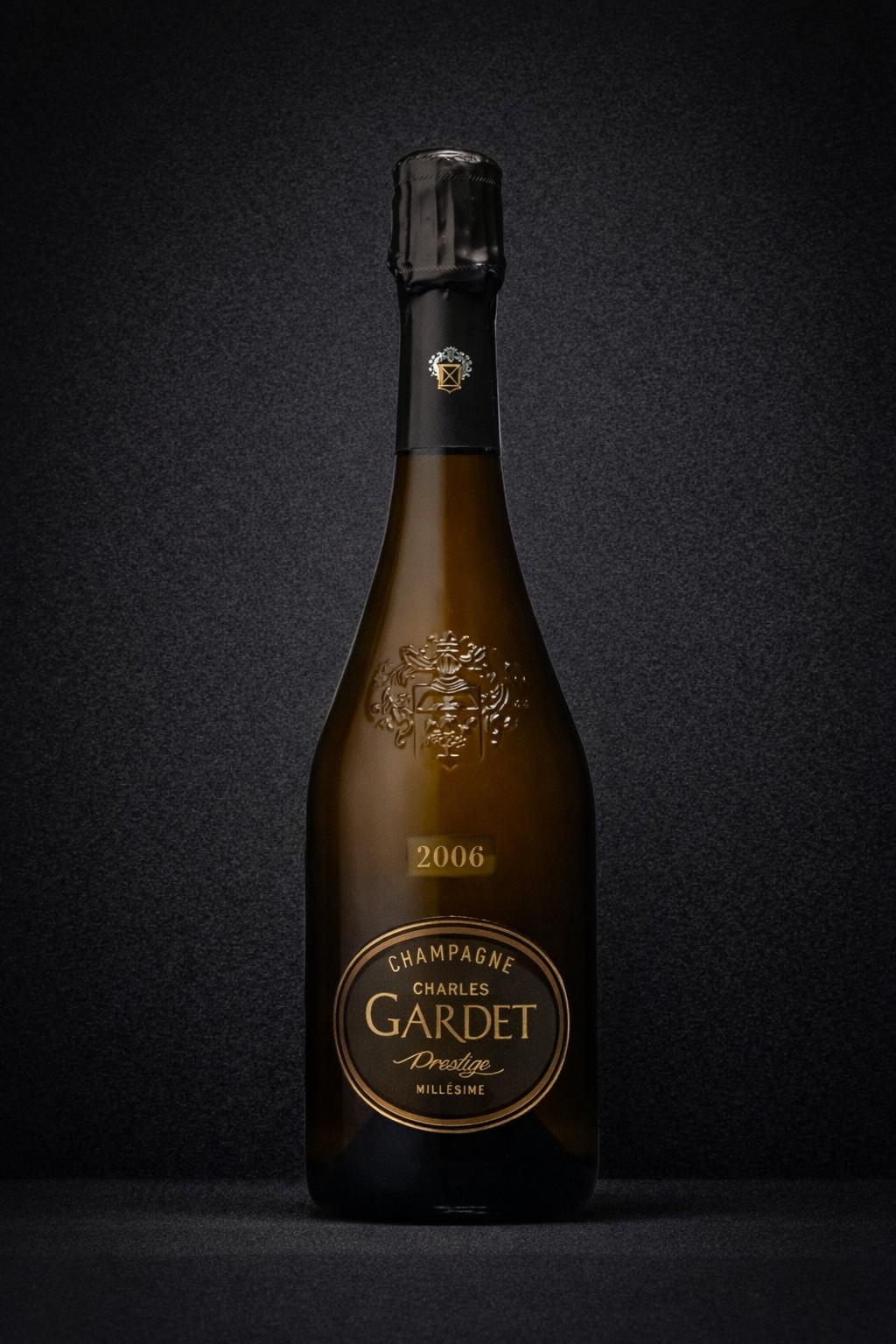
Champagne Prestige Charles Gardet Millésime 2006
PRESTIGE
In stock
Maturity, Structure and Straightness

Champagne Prestige Charles Gardet Millésime 2006

A blend of exceptional wines, brilliant testimony to the House's traditional craftsmanship. This 2006 Vintage expresses itself particularly …

Grape varieties Chardonnay, Pinot Noir
Dosage 5.00 g/L
Serving temperature 8–10°C
Origin La Montagne de Reims, Champagne – France
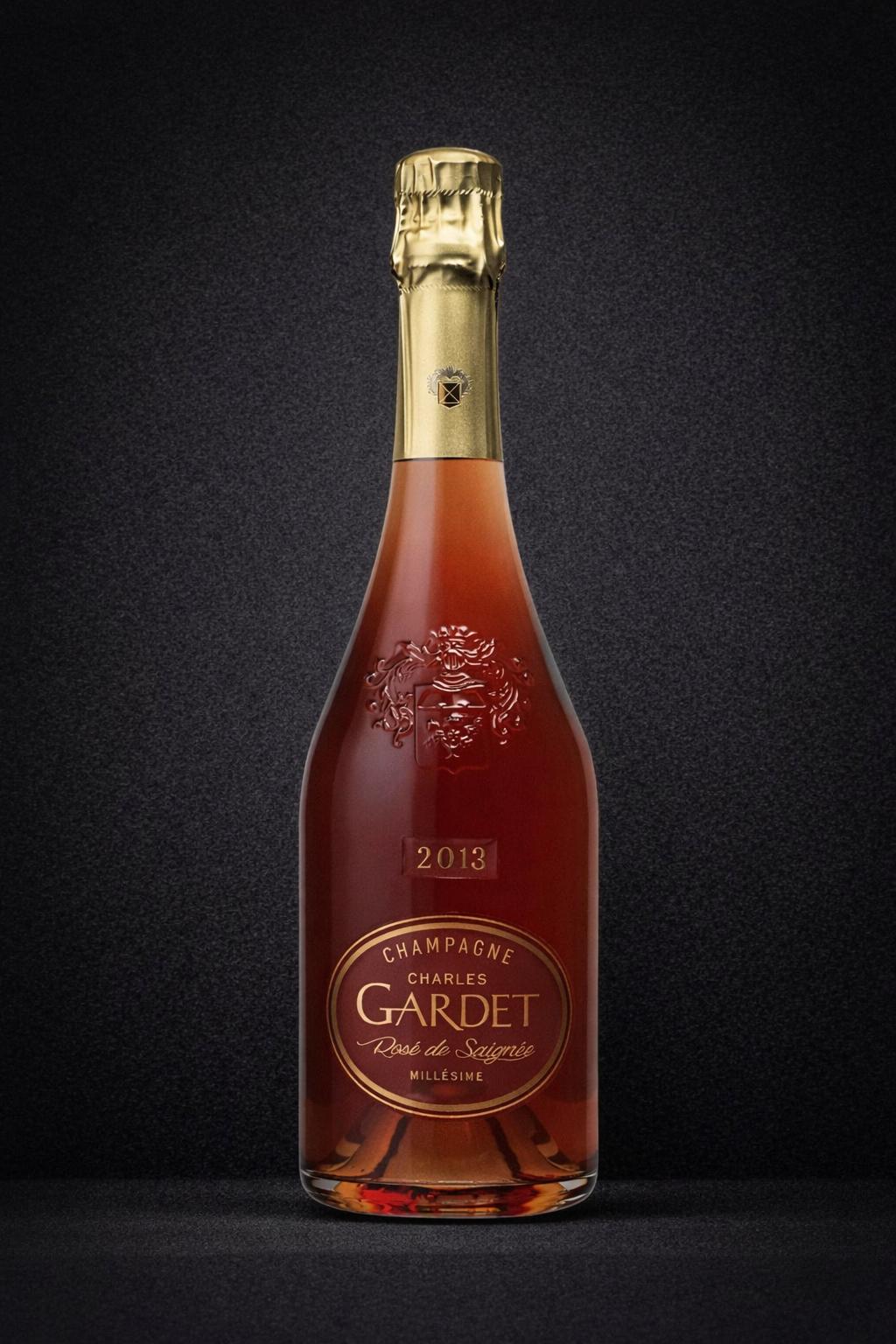
Champagne Prestige Charles Gardet Rosé de Saignée Millésime 2013
PRESTIGE
In stock
Intensity, Power and Character

Champagne Prestige Charles Gardet Rosé de Saignée Millésime 2013

A unique cuvée from Premier Cru vines of Chigny-les-Roses. This saignée expresses itself through its power of red fruits and its deep curran…

Grape varieties Pinot Noir, Pinot Meunier
Dosage 6.00 g/L
Serving temperature 8–10°C
Origin La Montagne de Reims, Champagne – France
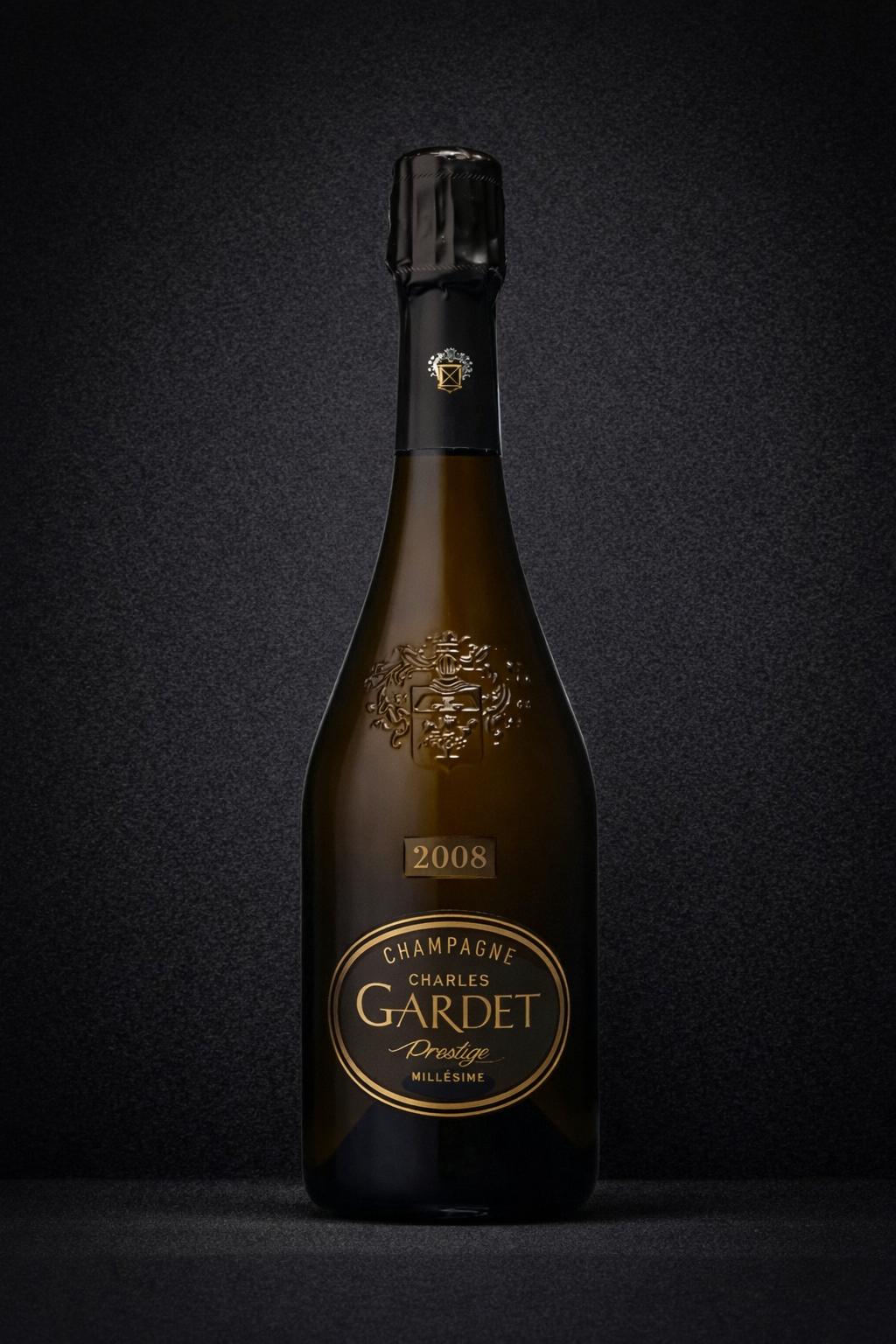
Champagne Prestige Charles Gardet Millésime 2008
PRESTIGE
In stock
Freshness, Finesse and Persistence

Champagne Prestige Charles Gardet Millésime 2008

A legendary vintage from a remarkable cool year. Iodine and mineral notes, tangy palate with strong citrus character. Finesse, tension and b…

Grape varieties Chardonnay, Pinot Noir
Dosage 5.00 g/L
Serving temperature 8–10°C
Origin La Montagne de Reims, Champagne – France
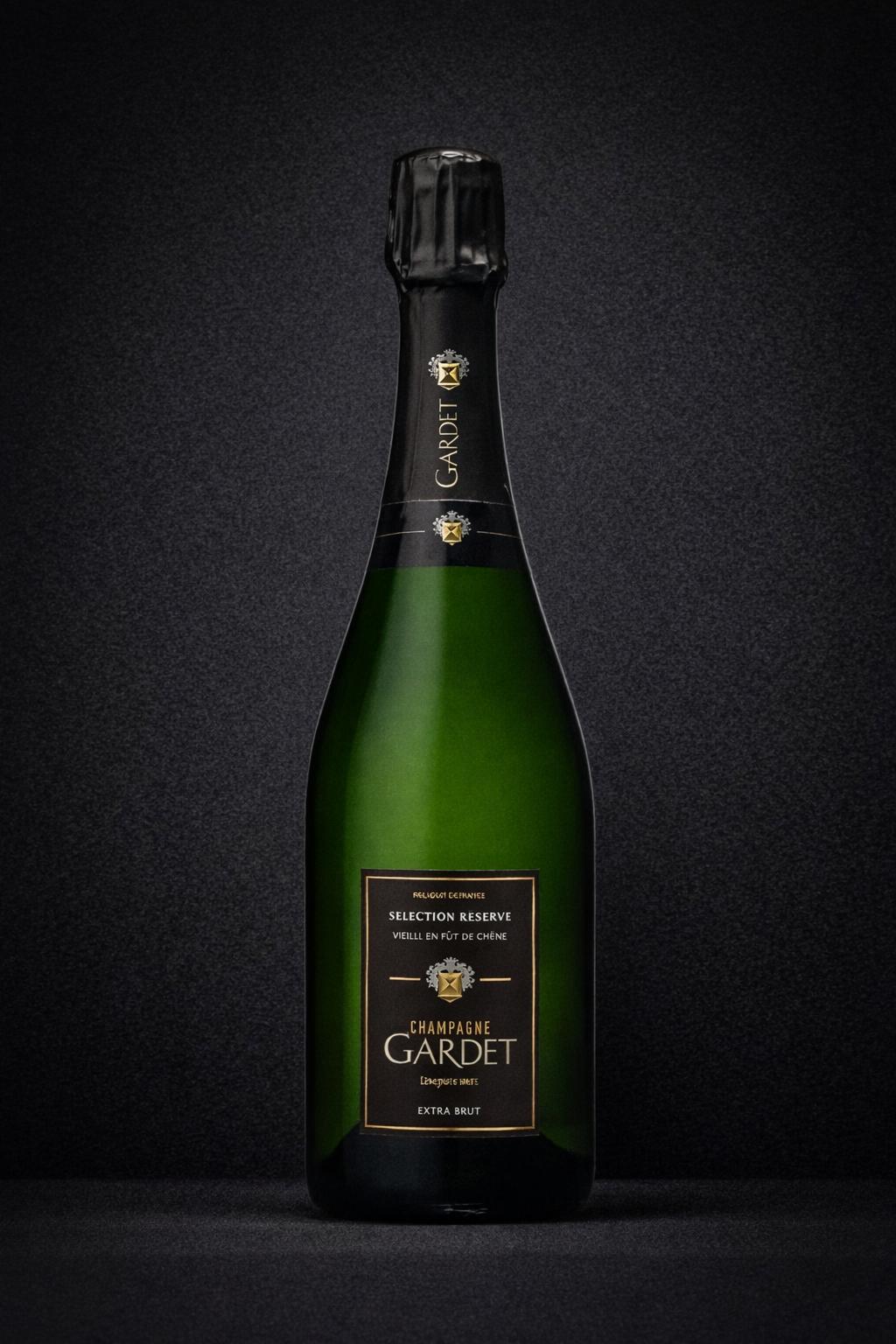
Champagne Gardet Extra Brut Selected Réserve
EXTRA BRUT
In stock
Patience, Complexity and Depth

Champagne Gardet Extra Brut Selected Réserve

A wine marked by black grape varieties, representative of the traditional Gardet style. Two-stage maturation: perpetual reserve in century-o…
Grape varieties Pinot Noir, Pinot Meunier, Chardonnay
Dosage 4.00 g/L
Serving temperature 8–10°C
Origin La Montagne de Reims, Champagne – France
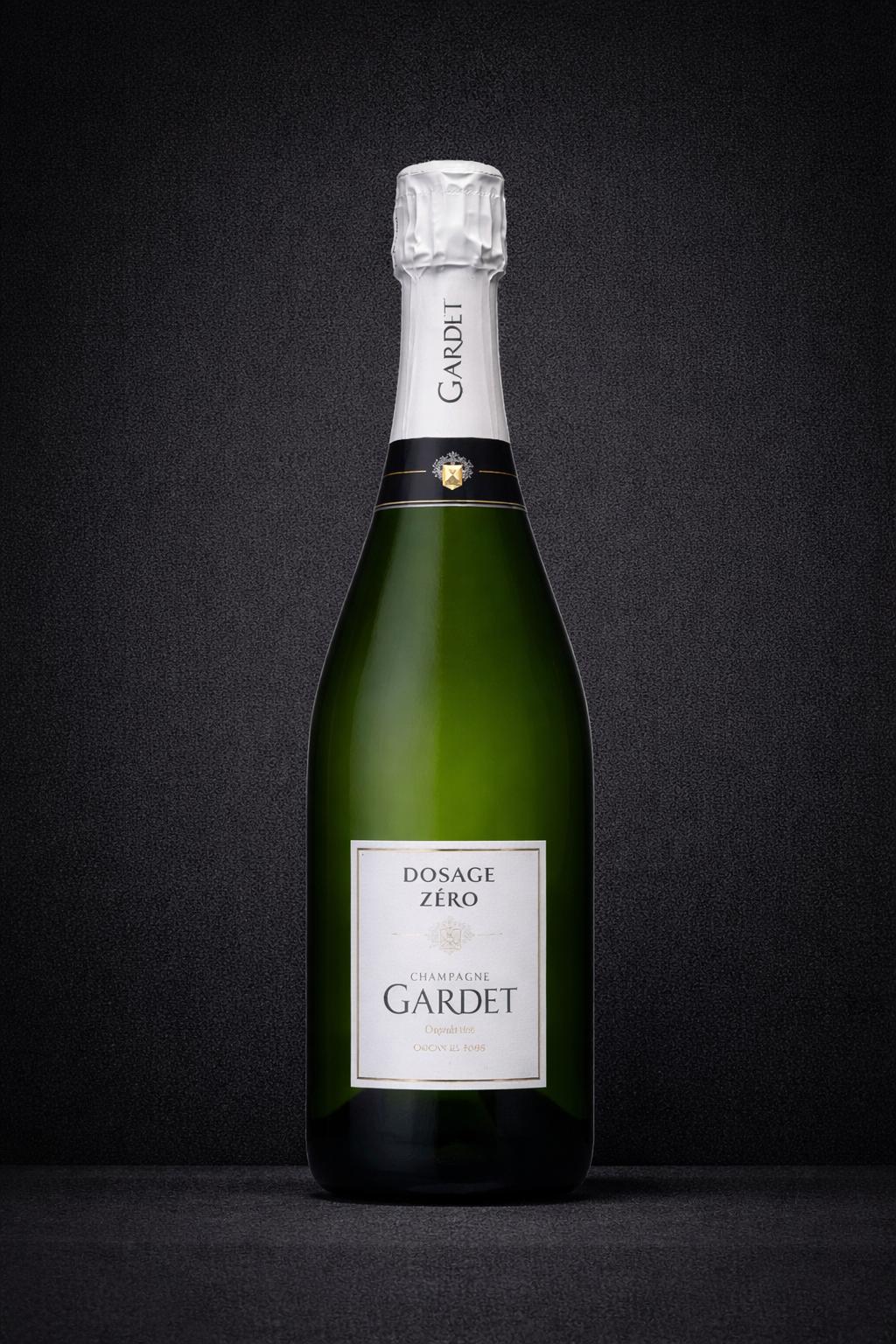
Champagne Gardet Dosage Zero
EXTRA BRUT
In stock
Purity, Straightness and Minerality

Champagne Gardet Dosage Zero

A champagne of pure style and captivating depth. Without any dosage, pure and chiseled like a diamond point. The maturity of reserve wines a…
Grape varieties Pinot Noir, Pinot Meunier, Chardonnay
Dosage 0.00 g/L
Serving temperature 8–10°C
Origin La Montagne de Reims, Champagne – France
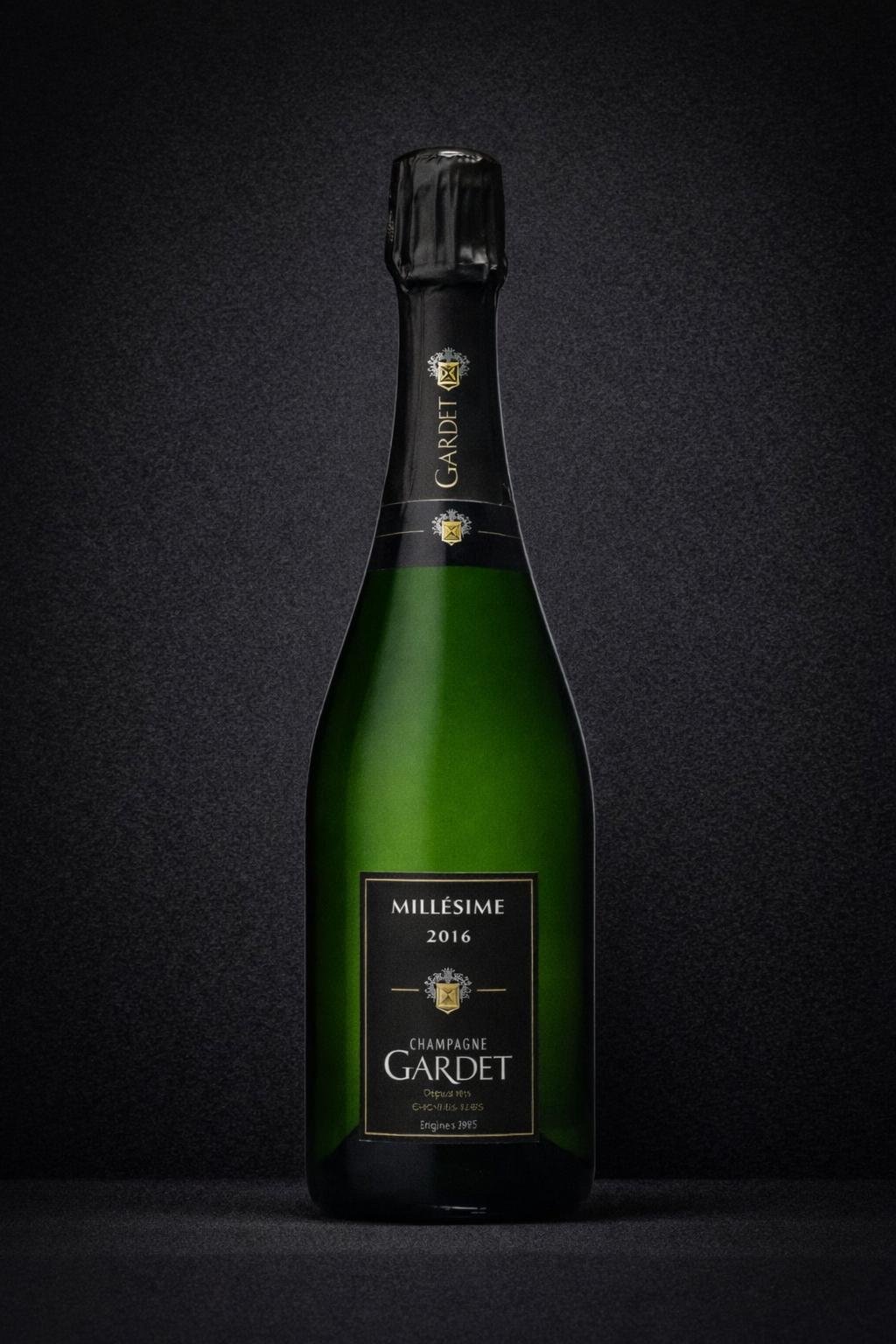
Champagne Gardet Extra Brut Millésime 2016
EXTRA BRUT
In stock
Modernity, Boldness and Liveliness

Champagne Gardet Extra Brut Millésime 2016

A champagne with a modern and bold style from an atypical year. Black grape varieties explode with fruitiness and indulgence, while Chardonn…
Grape varieties Pinot Noir, Chardonnay
Dosage 4.00 g/L
Serving temperature 8–10°C
Origin La Montagne de Reims, Champagne – France
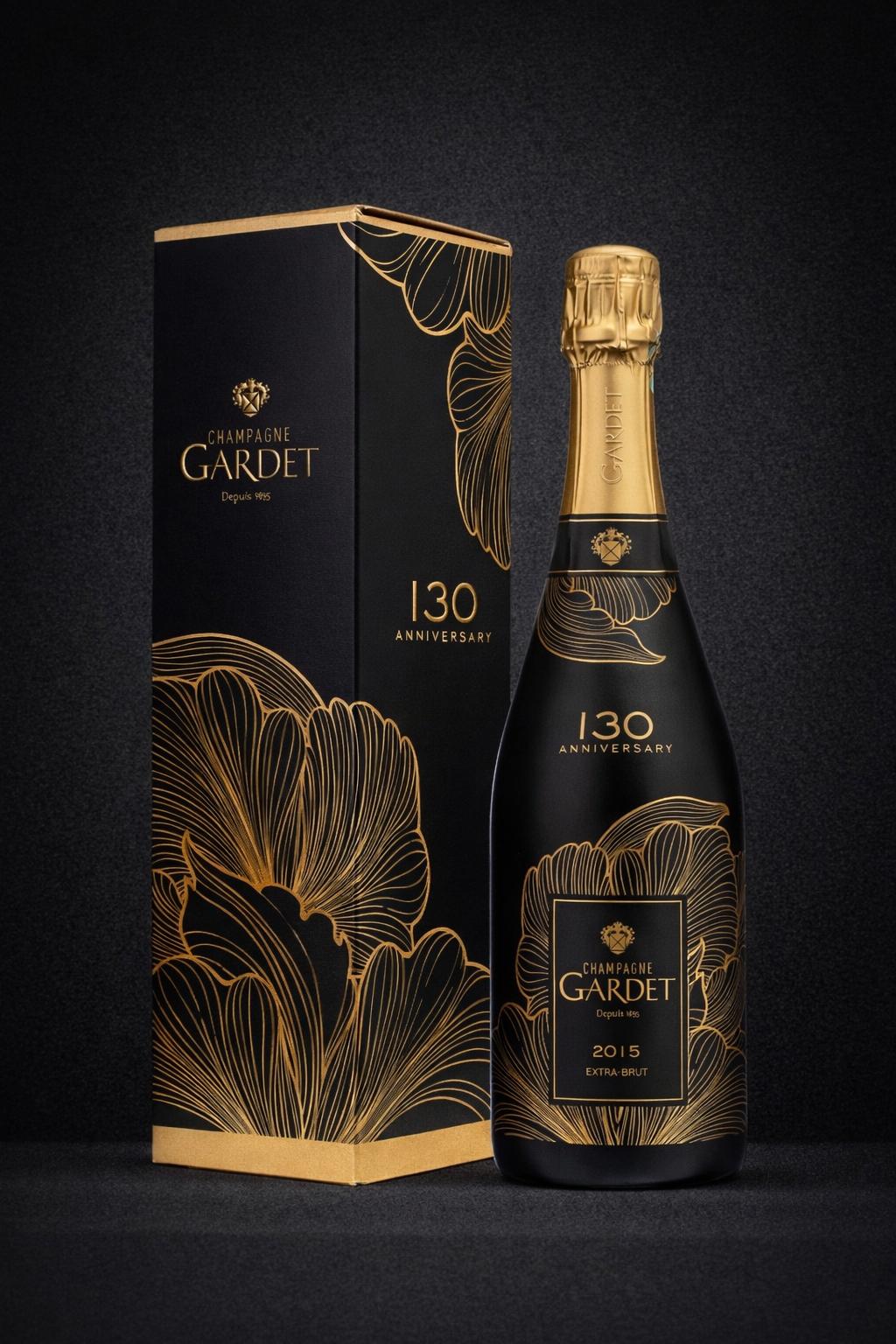
Champagne Gardet Extra-Brut 130 Anniversary Millésime 2015
EXTRA BRUT
In stock
Celebration, Excellence and Heritage

Champagne Gardet Extra-Brut 130 Anniversary Millésime 2015

A symbolic cuvée that tells the unique story of the House. A champagne with a modern and bold style, Pinot Noir explodes with fruit and indu…
Grape varieties Pinot Noir, Chardonnay
Dosage 4.00 g/L
Serving temperature 8–10°C
Origin La Montagne de Reims, Champagne – France
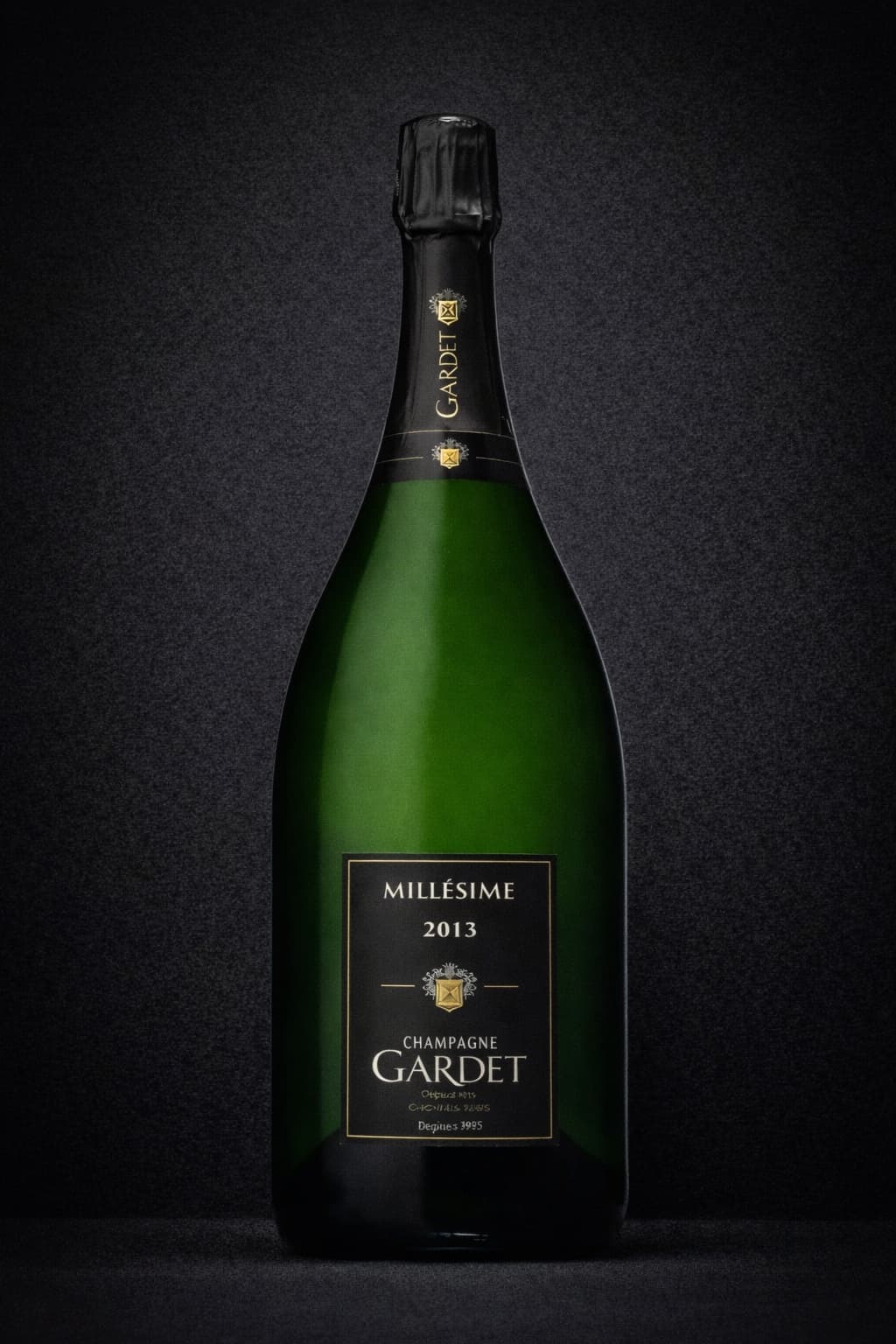
Champagne Gardet Extra Brut Premier Cru Millésime 2013
EXTRA BRUT
In stock
Modernity, Boldness and Liveliness

Champagne Gardet Extra Brut Premier Cru Millésime 2013

A champagne with a modern and bold style from an typical year. Black grape varieties explode with fruitiness and indulgence, while Chardonna…
Grape varieties Pinot Noir, Pinot Meunier, Chardonnay
Dosage 4.00 g/L
Serving temperature 8–10°C
Origin La Montagne de Reims, Champagne – France
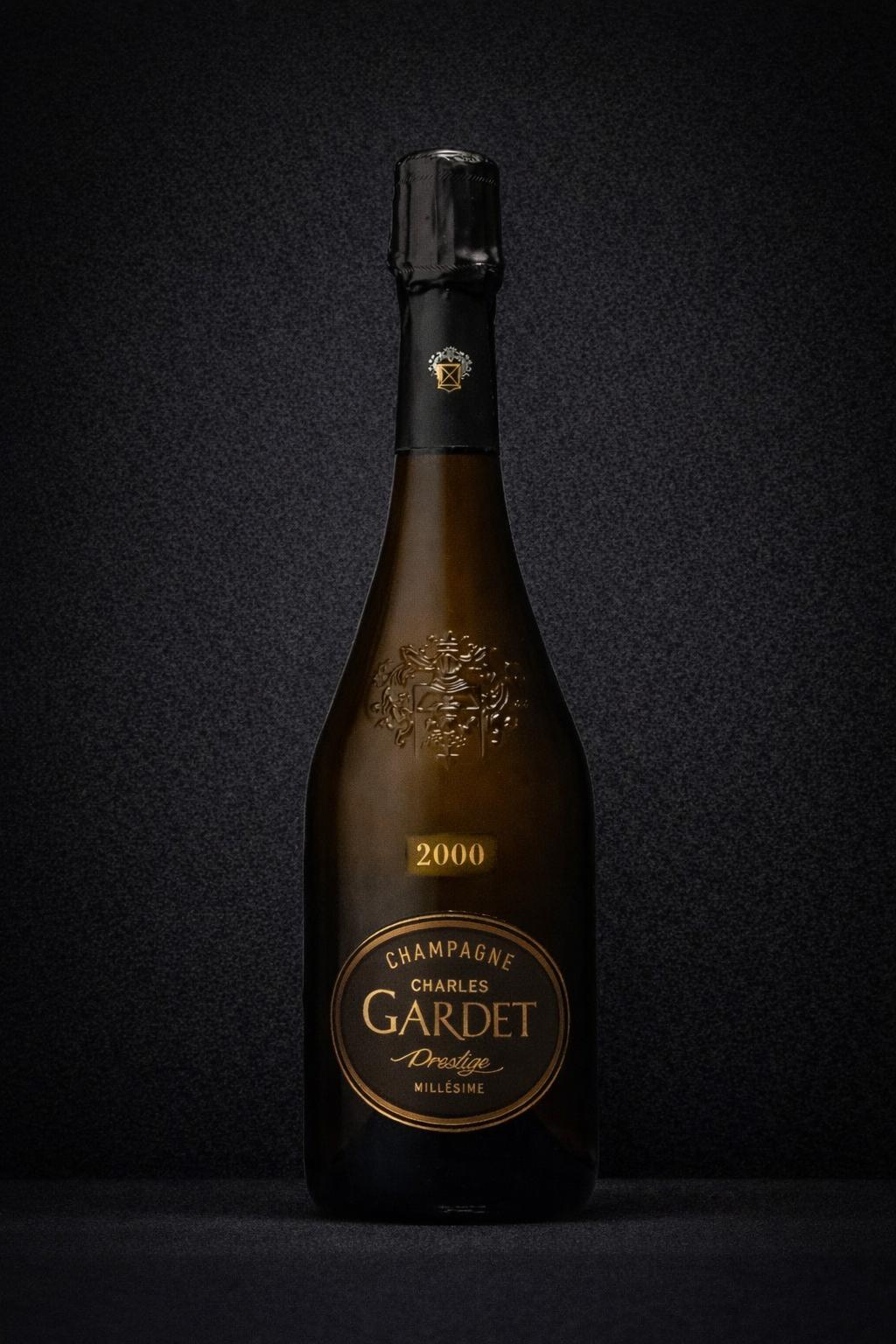
Champagne Prestige Charles Gardet Millésime 2000
PRESTIGE
In stock
Maturity, Structure and Straightness

Champagne Prestige Charles Gardet Millésime 2000

Assemblage of exceptional wines, brilliant testimony to the traditional expertise of the House. This 2000 Vintage expresses itself particula…

Grape varieties Chardonnay, Pinot Noir
Dosage 2.00 g/L
Serving temperature 8–10°C
Origin La Montagne de Reims, Champagne – France
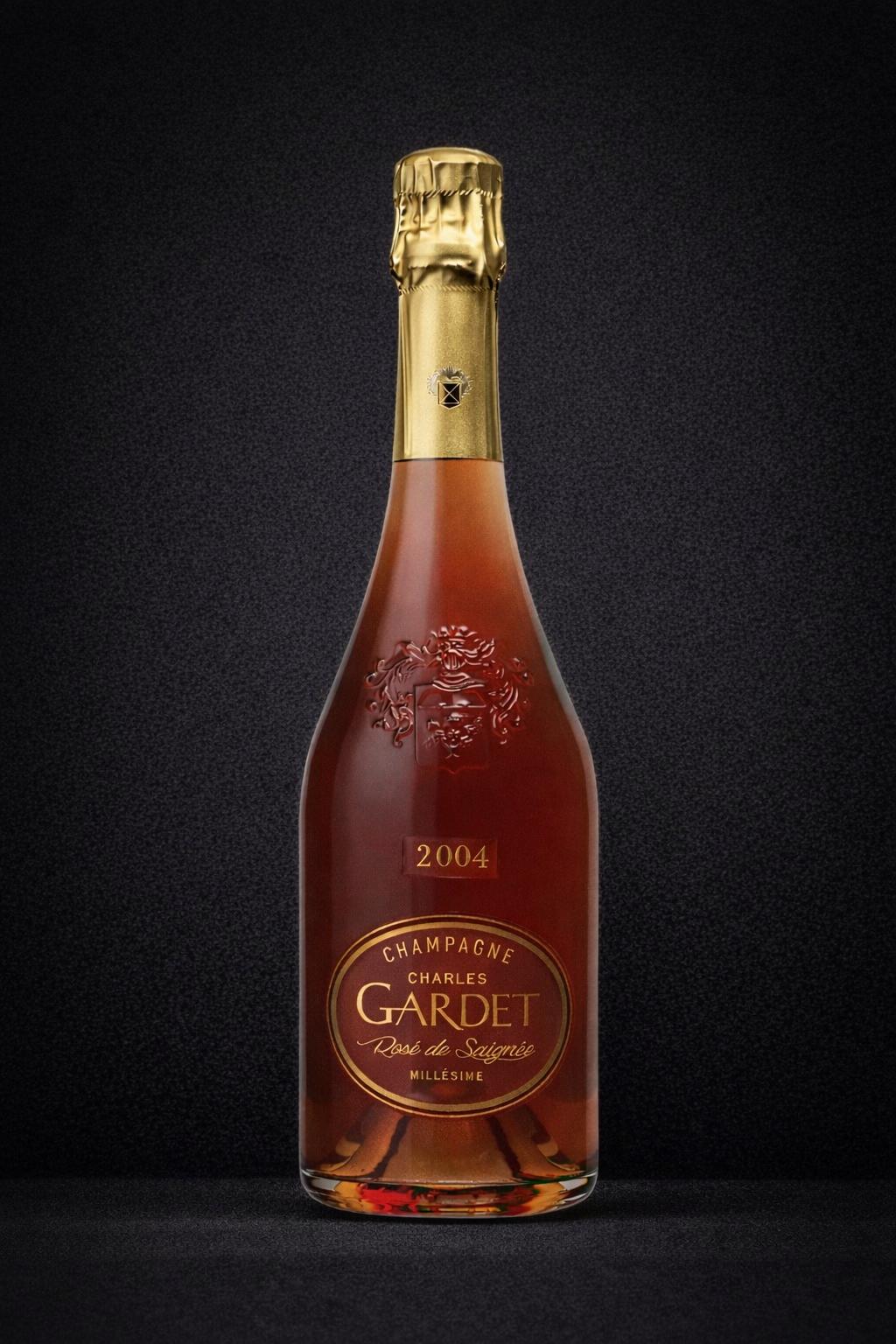
Champagne Prestige Charles Gardet Rosé de Saignée Millésime 2004
PRESTIGE
In stock
Maturity, Generosity & Elegance

Champagne Prestige Charles Gardet Rosé de Saignée Millésime 2004

Unique cuvée from Premier Cru vineyards of Chigny-les-Roses. This saignée expresses itself through its power in red fruits, its deep rosé wi…
Grape varieties Pinot Noir, Pinot Meunier
Dosage 2.00 g/L
Serving temperature 8–10°C
Origin La Montagne de Reims, Champagne – France